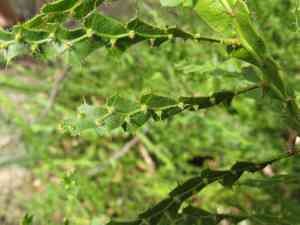
Winged wattle (Acacia alata)
Also known as: Winged Wattle
The winged wattle stands out due to its winged stems that look like flat, leaf-like structures. These green phyllodes are crucial for photosynthesis and help reduce water loss, making the plant well-adapted to arid conditions. Additionally, the small yellow flowers add to its visual appeal, and its ability to grow in sandy soils demonstrates its resilience in resource-scarce environments.
In This Article
Attributes of Winged wattle
Lifespan
Perennial
Plant Type
Shrub
Plant Height
1.5 meters
Spread
1.0 to 1.5 meters
Leaf Color
Green
Flower Size
Approximately 0.5 cm
Flower Color
Bright yellow
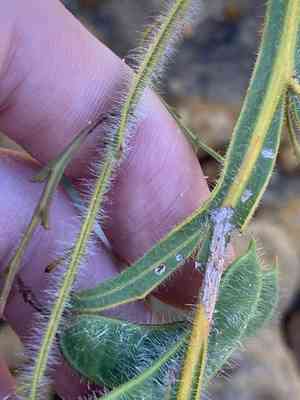
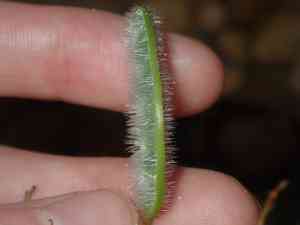
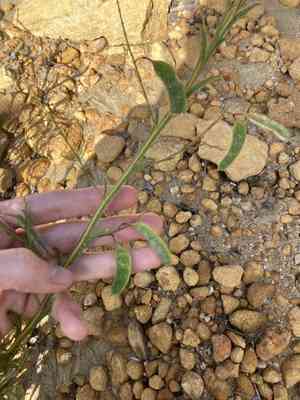
Images of Winged wattle
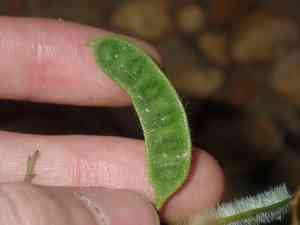
Quickly Identify Winged wattle
1
To identify Acacia alata, look for its unique winged phyllodes (flattened stems that function as leaves) and bright yellow globular flower heads that appear in clusters.
Scientific Classification of Winged wattle
Phylum
Vascular plants
Class
Dicotyledons
Order
Fabales
Family
Legume
Genus
Acacias
Species
Winged wattle
Planting and Growing of Winged wattle
Care Difficulty
Moderate
Watering Schedule
Every 2 days
Sunlight Requirements
Full sun
Sunshine Duration
4-8 hours
Ideal Temperature
65-75℉
Soil Type
Potting Mix, Peat Mix
Soil pH
6.5-7.5
Fertilizer Type
Balanced
Pruning Season
Spring, Summer
Pruning Area
Branches, Leaves
Pruning Frequency
2 times a year
Repotting Season
Spring
Pot Type
Plastic, Ceramic
 How to Water Winged wattle?
The acacia alata prefers a moderate watering amount that allows the soil to be moist but not soggy. It's best to administer around 200 ml of water, enough to hydrate the roots but ensure that excess water drains away swiftly. This helps maintain the right balance, preventing root rot while ensuring the plant gets enough moisture to thrive.
What are the symptoms of an underwatered Winged wattle?
›
What should I do if my Winged wattle is not getting enough water?
›
What are the symptoms of an overwatered Winged wattle?
›
How to save an overwatered Winged wattle?
›
 What Are the Sunlight Requirements for Winged wattle?
Acacia alata performs optimally under full to partial sun conditions. This light exposure not only accelerates growth but enhances flowering prospects, promoting a robust and lush display throughout its growing season.
What is the ideal light for Acacia alata?
›
How can you ensure Acacia alata gets ideal light?
›
What are the benefits of providing ideal light to Acacia alata?
›
 What Is the Ideal Temperature Range for Winged wattle?
The ideal temperature range for Acacia alata growth is between 65°F and 75°F. This range provides optimal conditions for photosynthesis and nutrient uptake, ensuring healthy and sustained growth of the plant.
 What Soil is Best for Winged wattle?
Acacia alata thrives best in well-drained soils, which help prevent waterlogging that could lead to root rot. Ensuring such soil significantly promotes healthy growth and longevity for the plant. This plant requires nutrient-rich soil to support its growth and beautiful foliage. Providing a balanced mixture of organic materials can enhance soil fertility, promoting vigorous development. Acacia alata benefits from adequate soil depth for proper root expansion. Deep soil supports a robust root system, contributing to greater stability and higher drought resistance.
 How to Fertilize Winged wattle?
For Acacia alata, the fertilizer amount should be modest, as excessive nutrients can harm the plant. Utilize a balanced fertilizer with an N-P-K ratio of around 10-10-10. For liquid fertilizers, apply about half the recommended dose on the package to avoid overfeeding.
 How to Prune Winged wattle?
Choose sharp and clean pruning shears or loppers to ensure smooth cuts. Disinfect tools before and after use to prevent the spread of disease. Consider using gloves, as the plant might have thorns or irritants. Familiarize yourself with the wing-like structures of Acacia alata. Identify dead, diseased, or damaged branches as well as those that might impede the plant's natural structure or light penetration. Begin by removing any dead or diseased wood, cutting back to healthy tissue. Cut at a 45-degree angle to prevent water from settling on the cut, promoting quick healing. Trim branches selectively to maintain the natural winged shape. Ensure the plant is well watered after pruning, as it aids in recovering from the pruning stress. Apply a balanced fertilizer to support new growth, particularly in the growing seasons.
More About Pruning Techniques→
 How to Propagate Winged wattle plant?
1
Before sowing, Acacia alata seeds typically require scarification to break their hard coating, which can be done by gently sanding the seed surface or soaking them in warm water. This process is key for successful germination as it allows moisture to penetrate the seed.
2
For cutting propagation, select healthy stems from the current year's growth. Cut sections of about 8-10 cm long using disinfected shears. Remove the leaves from the lower half of the cutting and treat the cut end with rooting hormone to enhance the rooting process.
3
Plant the seeds or cuttings in a well-draining potting mix. For seeds, press them gently into the soil surface; for cuttings, make a hole and insert the cutting. Ensure the medium remains consistently moist but not waterlogged.
 How to Repot Winged wattle plant?
1
Acacia alata typically signals the need for repotting when its roots start to protrude from drainage holes or visibly circle the pot. This can inhibit plant growth, as the roots are searching for more space and nutrients.
2
Choose a pot that is one size larger than the current one. Ensure it has good drainage holes to prevent waterlogging. The material of the pot should allow breathability, such as terracotta, which helps in evaporating extra moisture.
3
Opt for a well-draining sandy loam or a cactus mix. These soil types facilitate quick drainage, reducing the likelihood of root rot, which Acacia plants are prone to in overly moist conditions.
Learn More About Winged wattle Diseases
Anthracnose
Bacterial Leaf Spot
Crown Gall
Cyst Nematode
Damping-off
Downy Mildew
Drought Stress
Fusarium Wilt
Gray Mold
Leaf Curl
Leaf Spot
Mosaic
Nutrient Deficiency
Nutrient Toxicity
Powdery Mildew
Root Rot
Root-knot Nematode
Rusts
Sooty Mold
Spider Mites
Temperature Stress
Thrips Damage
White Mold
Chemical Injury



