How to Transplant Palmer's indian mallow?
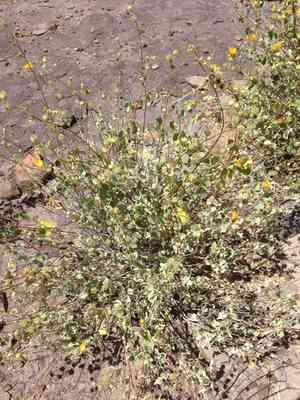
The optimal window for relocating palmer's indian mallow spans from the onset of warmer weather in late spring through the peak of its growing cycle in mid-summer. This timeframe capitalizes on the plant's robust development stage. Select a well-drained, sun-exposed site to facilitate a smooth adjustment. Bear in mind, careful handling guarantees the thriving of palmer's indian mallow.
Necessary Preparations Before Relocating Palmer's Indian Mallow?
When is the Best Time to Move Palmer's Indian Mallow?
The prime window for moving your palmer's indian mallow spans from the pleasant warmth of late spring through mid-summer. This period leverages mild temperatures and extended daylight, fostering robust root growth and successful acclimation for your palmer's indian mallow. Transplanting then ensures it settles comfortably into its new spot, benefiting from summer's heat, which is vital for a perennial's development and vitality. Engaging with your garden during this favorable season not only boosts the plant's survival chances but also guarantees a flourishing display for future seasons.
What is the Recommended Spacing Between Palmer's Indian Mallow Plants?
When relocating palmer's indian mallow, aim to provide ample room for each plant to thrive. Position them approximately 3-6 feet (0.91-1.83 meters) apart. This spacing ensures sufficient area for lateral growth and proper air circulation, thereby minimizing disease risk.
What is the Optimal Soil Blend for Transplanting Palmer's Indian Mallow?
Prior to moving palmer's indian mallow, prepare the soil to be well-draining and rich in organic matter. Incorporating a foundational fertilizer like compost or a balanced slow-release option will give palmer's indian mallow a healthy start. For best outcomes, look for a loamy or sandy soil texture!
Where Should You Replant Your Palmer's Indian Mallow?
Select a sunny location in your garden for palmer's indian mallow, as they flourish in full sunlight. Ideally, they require at least 6 hours of direct sun daily. An east or west-facing position can work wonderfully for morning or afternoon sun exposure.
What Tools Should You Prepare Before Transplanting Palmer's Indian Mallow?
Gardening Gloves
To safeguard your hands while handling soil and plants.
Shovel or Spade
For digging around and lifting the root ball of palmer's indian mallow.
Garden Fork
To loosen the soil in the planting area for palmer's indian mallow.
Garden Hose with Watering Nozzle
To hydrate palmer's indian mallow before and after the move.
Wheelbarrow or Garden Cart
To effortlessly move palmer's indian mallow to its new spot.
Pruning Shears
To trim any dead or damaged roots or stems prior to transplanting.
How Do You Extract Palmer's Indian Mallow from the Soil?
How Do You Extract Palmer's Indian Mallow from the Soil?
From Ground: First, water palmer's indian mallow to moisten the soil. Next, dig a wide trench around the plant using a shovel or spade, ensuring the root ball remains intact. Carefully work the spade beneath the root ball to lift palmer's indian mallow from its original spot.From Pot: Begin by watering the soil in the container to facilitate removal. Gently tilt the pot sideways and tap or squeeze the sides to loosen the root ball. Gradually guide the plant out by the base of its main stem.From Seedling Tray: Water the seedlings to dampen the soil. Use a dibber or a small stick to push the soil from underneath the seedling to lift it out with as much root and surrounding soil as possible.
Step-by-Step Guide for Relocating Palmer's Indian Mallow
Preparation
Assess the size of palmer's indian mallow's root ball in its current location to help determine the appropriate dimensions for the new planting hole.
Digging New Hole
Excavate a hole in the chosen area that is twice the width and the same depth as the root ball of palmer's indian mallow to ensure ample room for root expansion.
Transplanting
Gently position palmer's indian mallow in the center of the new hole and adjust it so the top of the root ball is level with the surrounding ground.
Watering
Thoroughly water palmer's indian mallow after transplanting to settle the soil around the root ball.
Stabilizing
If palmer's indian mallow is tall or top-heavy, provide stake support to prevent it from leaning due to wind or water pressure.
How Do You Care For Palmer's Indian Mallow After Relocation?
Monitoring
Regularly check the soil moisture around palmer's indian mallow and water as needed to maintain consistent hydration.
Mulching
Apply a layer of organic mulch around the base of palmer's indian mallow, avoiding direct contact with the stem, to conserve soil moisture and regulate soil temperature.
Protection
In the initial weeks, shield palmer's indian mallow from harsh conditions like intense heat or strong winds using suitable covers or barriers.
Addressing Common Issues with Palmer's Indian Mallow Transplantation.
What's the best time to move palmer's indian mallow?
It's ideal to move palmer's indian mallow during late spring to mid-summer for optimal root establishment before colder months.
How should I space palmer's indian mallow plants for optimal growth?
Space palmer's indian mallow plants about 3-6 feet (0.9-1.8 meters) apart to allow them to thrive.
Why are leaves wilting after moving palmer's indian mallow?
Wilting may indicate shock. Ensure consistent soil moisture and protect palmer's indian mallow from intense sunlight for a few days.
What soil conditions promote successful transplantation of palmer's indian mallow?
Well-draining soil enriched with organic matter helps palmer's indian mallow root well. Avoid waterlogged or very dry soil conditions.
How deep should I plant palmer's indian mallow's roots when transplanting?
Bury palmer's indian mallow's roots to the same depth as the original container to prevent stem rot or drying out.
How much water does palmer's indian mallow need after transplanting?
Provide deep watering initially, then reduce to moderate to establish strong roots without waterlogging.
Should I fertilize immediately after transplanting palmer's indian mallow?
Wait 4-6 weeks before fertilizing to allow palmer's indian mallow to settle and prevent root burn.
Why is palmer's indian mallow not flowering after being transplanted?
Transplant stress can affect blooming. Give palmer's indian mallow time to adjust and properly care for it to encourage flowers.
Can I transplant palmer's indian mallow during its blooming season?
It's best to transplant when palmer's indian mallow is not blooming to avoid stressing the plant and affecting flower production.
How do I handle root bound palmer's indian mallow when transplanting?
Gently separate the roots without causing damage to encourage outward growth in the new location.



