How to Prune Palmer's indian mallow?
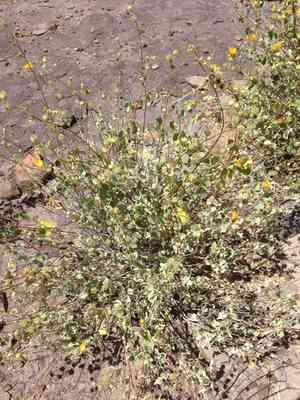
Distinguished by its soft, fuzzy leaves and vivid yellow blossoms, palmer's indian mallow introduces lively hues to dry environments. Trimming efforts should concentrate on eliminating deceased or injured limbs, sculpting the plant's form, and fostering fresh development. The most suitable period for pruning is during the winter season while the plant is inactive. This pruning practice subsequently encourages more robust, thicker foliage and promotes prolific blooming. It is crucial to employ sanitized, keen implements to execute accurate incisions without causing detriment to palmer's indian mallow. Consistent upkeep trimming contributes positively to the plant's general well-being and aesthetic appeal.
What Are the Benefits of Pruning Palmer's Indian Mallow?
What Are the Benefits of Pruning Palmer's Indian Mallow?
Trimming palmer's indian mallow encourages robust development by fostering new, healthy stems. It also aids in preserving the desired form, ensuring the plant stays visually appealing and manageable in size.
What Is the Best Time for Pruning Palmer's Indian Mallow?
What Is the Best Time for Pruning Palmer's Indian Mallow?
Trimming palmer's indian mallow in late winter is optimal since the plant is typically dormant, minimizing stress and sap loss. This timing allows for the removal of any winter frost damage and promotes vigorous spring growth. Furthermore, as palmer's indian mallow flowers on new wood, pruning at this time maximizes the potential for abundant blooms during the growing season.
What Tools Do I Need to Prune Palmer's Indian Mallow?
Hand Pruners
Essential for making clean cuts on live palmer's indian mallow's stems and branches up to 3/4 inches in diameter. Perfect for shaping and removing old flowers.
Lopping Shears
When cutting thicker branches, up to about 2 inches in diameter, lopping shears provide the extra leverage needed for palmer's indian mallow without causing plant damage.
Pruning Saw
For mature palmer's indian mallow specimens with large stems or branches over 2 inches thick, a pruning saw allows for precise cuts without harming the main structure.
Hedge Clippers
If a uniform shape is desired for palmer's indian mallow, hedge clippers are useful for shearing and creating clean, straight edges on softer growth.
How to Prune Palmer's Indian Mallow
Clean Tools
Clean and sanitize your pruning shears with alcohol or a disinfectant to prevent disease transmission to palmer's indian mallow.
Remove Withered Leaves
Gently trim away withered leaves from palmer's indian mallow by snipping the leaf stem close to the branch. Be careful not to damage healthy tissue.
Cut Dead Branches
Identify and cut dead branches at the point where they meet healthy wood. Use sharp, clean pruning shears to make a clean cut without tearing the bark of palmer's indian mallow.
Trim Diseased Branches
Remove any diseased branches by cutting at least several inches into healthy tissue to ensure the removal of all infected parts of palmer's indian mallow. Dispose of the diseased material properly to prevent reinfection.
Shape Plant
Lightly trim back the remaining branches to shape palmer's indian mallow, if necessary. Avoid over-pruning, which can stress the plant and reduce its vigor.
Common Pruning Mistakes with Palmer's Indian Mallow
Over-Pruning
Removing too much growth in one session can stress palmer's indian mallow, hindering its health and blooming potential. Maintain balance and proportion while pruning.
Improper Cut Placement
Cuts made too far from the nodes lead to stubs that can invite pests and disease. Cuts too close to the buds may damage them. Aim to cut just above leaf nodes at a 45-degree angle.
Using Blunt Tools
Dull pruning tools can cause jagged cuts that heal poorly and are more susceptible to disease. Use sharp, clean shears for clean incisions.
Neglecting Deadheading
Failing to remove spent flowers can reduce motivation for palmer's indian mallow to produce new blooms. Regular deadheading encourages more flowering.
Pruning Without A Plan
Random or erratic cuts can result in an unbalanced shape and reduced vigor. Assess palmer's indian mallow before cutting to ensure a purpose for each cut.
Common Pruning Tips for Palmer's Indian Mallow
Health Maintenance
Regularly remove dead, diseased, or damaged branches to maintain the health and appearance of palmer's indian mallow. This also prevents the spread of disease.
Encouraging Bushiness
Pinching back the tips of young shoots can stimulate palmer's indian mallow to develop a fuller, bushier habit.
Supporting Robust Flowering
Prune palmer's indian mallow immediately after blooming if needed, to shape the plant and encourage the growth of new flowering wood without impacting the current year's blooms.
Thinning For Air Circulation
Thin out crowded branches to enhance air flow and light penetration throughout palmer's indian mallow, which helps prevent fungal diseases.
Gradual Rejuvenation
For older palmer's indian mallow specimens, practice rejuvenation pruning over a few years rather than all at once, removing a third of old growth annually to preserve plant health.



