How to Propagate Palmer's indian mallow?
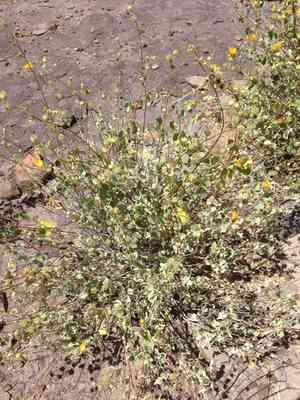
Originating from dry environments, palmer's indian mallow is well-suited for propagation via cuttings, owing to its natural propensity for easy rooting. Softwood sections harvested in late spring or early summer typically produce the most favorable outcomes. Choose a robust stem, preferably 4-6 inches in length, and execute a precise incision beneath a leaf joint. Submerging the severed end in rooting compound can stimulate root formation. Insert the cutting into a well-aerated potting blend; at this juncture, steady dampness without saturation is vital for root anchoring. Ensure ample, diffused illumination and elevated humidity to facilitate successful propagation.
Optimal Time for Palmer's Indian Mallow Propagation
Propagation Method
Cutting
Propagation Period
Spring,Summer
Tools Required for Palmer's Indian Mallow Propagation
Sharp pruning shears
Sharp pruning shears are vital for making clean cuts from palmer's indian mallow. A clean cut helps prevent unnecessary plant damage, which could lead to infections or poor rooting. Shears should be sanitized before use to stop disease spread from other plants.
Rooting hormone powder or gel
Applying a rooting hormone to the cut end of palmer's indian mallow enhances the likelihood of successful root formation. This hormone stimulates root growth at the cut site, crucial for cuttings to become independent plants. It's especially helpful as palmer's indian mallow may not root easily without it.
Substrate mixture containing perlite
A well-draining and aerated substrate is essential for palmer's indian mallow propagation via cuttings. A mix with perlite offers the necessary drainage and air space around the cutting, reducing root rot risk and promoting healthy root development.
Propagation trays
Propagation trays are needed to organize and manage multiple palmer's indian mallow cuttings in a controlled setting. Trays should have sufficient drainage holes and be deep enough to hold the rooting medium and emerging roots without overcrowding.
Plastic covers or mini greenhouse
Maintaining high humidity around palmer's indian mallow cuttings is crucial to prevent leaves from drying out before roots form. Plastic covers or a mini greenhouse help retain moisture and warmth, creating an ideal environment for root growth.
How to Propagate Palmer's Indian Mallow?
Propagation Type
Moderately Difficult
Caring for Your Newly Propagated Palmer's Indian Mallow
Caring for Your Newly Propagated Palmer's Indian Mallow?
Once roots are established, gradually introduce the new palmer's indian mallow plants to less humid conditions before moving them to their permanent spot. Ensure they are planted in a sunny location with well-draining soil. Consistent watering is key, especially during dry spells, but avoid waterlogging. Mulching can help retain soil moisture and control weeds. During the growing season, feeding with a balanced, slow-release fertilizer can encourage robust growth and flowering.
Common Errors to Avoid When Propagating Palmer's Indian Mallow
Overwatering
Excessive watering during propagation can cause root rot and fungal infections, which are harmful to palmer's indian mallow's growth. Too much moisture reduces soil air, hindering root development.
Deep Planting
Planting palmer's indian mallow cuttings too deeply can prevent them from getting enough light and air, impeding their ability to develop roots and new shoots.
Using Old or Diseased Plant Material
Using old or diseased plant material for propagation can transfer diseases to the new plants, severely affecting their growth and survival.
Advice for Propagating Palmer's Indian Mallow
Use Healthy Cuttings
Choose cuttings from healthy, disease-free parts of palmer's indian mallow to ensure the best chance of successful rooting and growth.
Soil Preparation
Prepare well-drained soil mixed with organic matter to provide the necessary nutrients and support root development for palmer's indian mallow.
Proper Cutting Depth
Insert the cuttings shallowly, ensuring that at least two nodes are above the soil surface to facilitate adequate light exposure and air circulation.



