How to Transplant Dwarf sand verbena?
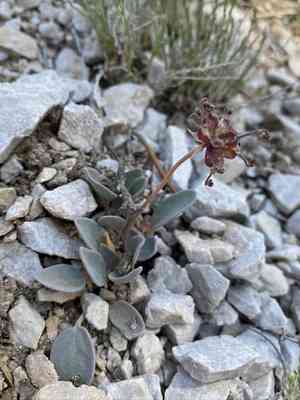
Dwarf sand verbena flourishes when relocated from the beginning to the end of spring, as mild conditions support root development. Place it in bright, adequately drained locations. Guarantee minimal disturbance to the root system for peak growth.
What Preparations are Necessary Before Relocating Dwarf Sand Verbena?
What is the Optimal Period for Relocating Dwarf Sand Verbena?
Moving dwarf sand verbena from early to late spring, when the ground is warming, ensures prime root establishment. This timeframe allows dwarf sand verbena to adapt before summer's heat, leading to vigorous growth and blooming. Early spring relocation also lessens plant stress, fostering healthier development.
How Much Distance Should You Maintain Between Dwarf Sand Verbena Plants?
For dwarf sand verbena, position your plants approximately 12-18 inches (30-45 cm) apart. This provides ample room for growth without resource competition, helping them flourish beautifully.
What is the Best Soil Mixture for Dwarf Sand Verbena Relocation?
Select well-drained sandy or loamy soil for dwarf sand verbena. Incorporate some compost or an all-purpose base fertilizer to enrich the soil and supply vital nutrients.
Where Should You Replant Your Dwarf Sand Verbena?
Place dwarf sand verbena in a sunny spot, ideally where it can receive direct sunlight for at least 6-8 hours daily. This supports robust growth and vibrant flowers.
What Tools Should You Prepare Before Relocating Dwarf Sand Verbena?
Gardening Gloves
To safeguard your hands while handling soil and plants.
Trowel
To excavate holes and manage the soil surrounding the plant.
Shovel or Spade
To dig up larger plants and create planting depressions.
Watering Can or Hose
To hydrate the plant before and after its move.
Wheelbarrow
To transport the plant if it's large, or to carry soil and amendments.
Pruners or Scissors
To trim any damaged roots or foliage.
Mulch
To aid in retaining moisture around the new planting site.
Stakes and Ties
To support the plant, if necessary.
How Do You Extract Dwarf Sand Verbena from the Ground?
How Do You Extract Dwarf Sand Verbena from the Ground?
From Ground: First, moisten the dwarf sand verbena plant to dampen the soil. Then, excavate a wide trench around the plant using a shovel or spade, ensuring the plant's root ball remains intact. Carefully work the spade beneath the root ball to lift the plant from its original spot.From Pot: Thoroughly water the dwarf sand verbena plant before removal. Gently tap the pot's sides to loosen the soil. Carefully slide the plant out by gently pulling on the stem's base while supporting the root ball with your other hand.From Seedling Tray: Water the seedlings prior to removal. Use a small trowel or your fingers to carefully lift each dwarf sand verbena seedling from the tray, ensuring the root ball stays intact and avoiding any root damage.
Step-by-Step Guide for Relocating Dwarf Sand Verbena
Site Preparation
Prepare the new planting location by digging a hole that is twice as wide and the same depth as the dwarf sand verbena plant's root ball. Ensure the hole has loose, well-aerated soil to help the plant establish quickly.
Root Extension
If the plant's roots are encircling the root ball, gently untangle them to encourage outward growth once replanted.
Placement
Position the dwarf sand verbena in the prepared hole, ensuring the top of the root ball is level with the surrounding soil. Backfill the hole with the original soil, gently pressing it down to eliminate any air pockets.
Initial Watering
Water the plant thoroughly immediately after relocation to help settle the soil around the root ball. Ensure the water penetrates deeply to reach the roots.
Mulch Application
Apply a layer of mulch around the plant's base to help retain soil moisture and suppress weed growth. Leave a small gap around the stem to prevent rot.
Support
If the plant requires support, such as stakes or ties, position these now to help the plant remain upright and grow strong.
How Do You Care For Dwarf Sand Verbena After Relocation?
Watering
Keep the soil around the dwarf sand verbena consistently moist, but not waterlogged, for the initial few weeks after relocation to help establish strong roots.
Monitoring
Regularly inspect the plant for signs of stress, such as wilting or discoloration, and promptly address any issues by adjusting the care routine.
Mulch Maintenance
Check the mulch layer regularly and replenish it if needed to maintain an effective moisture barrier and weed suppressant.
Pest Control
Watch for pests and diseases and treat them early using appropriate methods to prevent an infestation.
Fertilizing
After a few weeks, you may begin a regular, light fertilization schedule to promote healthy growth. Be careful not to over-fertilize, as this can harm the plant.
Troubleshooting Common Issues with Dwarf Sand Verbena Relocation.
When is the best time to relocate dwarf sand verbena?
Early spring to late spring is ideal for relocating dwarf sand verbena.
How should I prepare the soil for dwarf sand verbena?
Ensure well-draining soil. Amend with compost for added nutrients.
What spacing should I maintain when relocating dwarf sand verbena?
Space each plant 12-18 inches (30-45 cm) apart for optimal growth.
How deep should I plant dwarf sand verbena?
Plant them at the same depth they were previously growing.
Should I water dwarf sand verbena immediately after relocating?
Yes, water thoroughly to settle the soil around the roots.
Can dwarf sand verbena be relocated in full sun?
Yes, dwarf sand verbena thrives in full sun locations.
What should I do if dwarf sand verbena appears wilted after relocating?
Ensure it's well-watered and shaded temporarily to reduce stress.
How can I protect dwarf sand verbena from transplant shock?
Water consistently and avoid disturbing the roots too much.
Is fertilization necessary when relocating dwarf sand verbena?
Lightly fertilize with a balanced plant food to boost growth.
What should be done if dwarf sand verbena shows yellowing leaves?
Check soil drainage and moisture levels; adjust watering practices.



