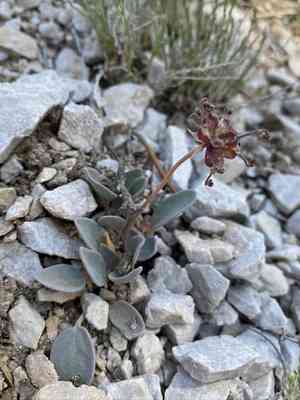
Dwarf sand verbena (Abronia nana)
Also known as: Dwarf Sand Verbena, Desert Sand Verbena
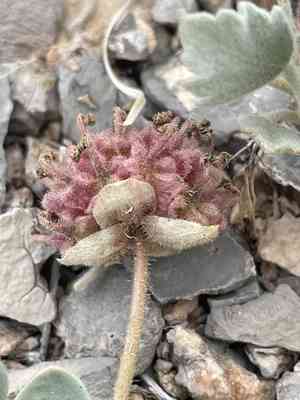
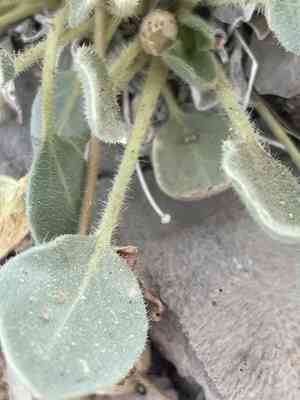
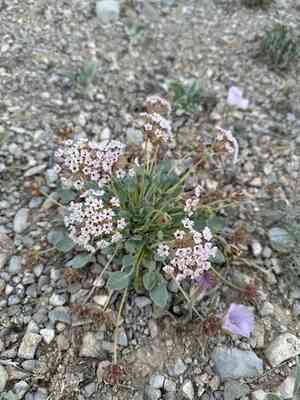
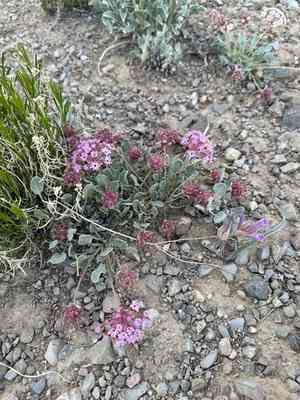
The dwarf sand verbena (Abronia nana) is a small, perennial herb that prospers in the arid landscapes of the American Southwest. Adapted to thrive in sandy or gravelly soils, this plant features succulent leaves that grow in low, mat-like formations. It produces clusters of tubular flowers, ranging in color from white and pink to purple, which bloom from spring to early summer. These vibrant floral clusters stand out against the stark, dry environment, making the dwarf sand verbena easily recognizable and visually captivating.
In This Article
Attributes of Dwarf sand verbena
Lifespan
Perennial
Plant Type
Herb, Succulent
Plant Height
5-20 cm (2-8 inches)
Spread
Spreading up to 30 cm (12 inches)
Leaf Color
Green
Flower Size
0.5-1.5 cm (0.2-0.6 inches)
Flower Color
Pink, Purple, White
Images of Dwarf sand verbena
Quickly Identify Dwarf sand verbena
1
Look for a low-growing, spreading plant with soft, hairy leaves and clusters of tubular, brightly colored flowers. This plant often thrives in sandy or rocky soils.
Scientific Classification of Dwarf sand verbena
Phylum
Vascular plants
Class
Dicotyledons
Order
Caryophyllales
Family
Four o'clock
Genus
Sand verbenas
Species
Dwarf sand verbena
Planting and Growing of Dwarf sand verbena
Care Difficulty
Moderate
Watering Schedule
Every 2 days
Sunlight Requirements
Full sun
Sunshine Duration
6-10 hours
Ideal Temperature
60-75℉
Soil Type
Potting Mix, Peat Mix
Soil pH
6.5-7.5
Fertilizer Type
Balanced
Pruning Season
Spring, Summer
Pruning Area
Branches, Leaves
Pruning Frequency
2 times a year
Repotting Season
Spring
Pot Type
Plastic, Ceramic
 How to Water Dwarf sand verbena?
The Abronia nana thrives in well-drained soil, so watering should saturate the soil without flooding it. Aim for about 250 ml of water per session, ensuring the top layer dries out in between watering. This approach helps mimic its natural habitat and prevents root rot.
What are the symptoms of an underwatered Dwarf sand verbena?
›
What should I do if my Dwarf sand verbena is not getting enough water?
›
What are the symptoms of an overwatered Dwarf sand verbena?
›
How to save an overwatered Dwarf sand verbena?
›
 What Are the Sunlight Requirements for Dwarf sand verbena?
Abronia nana prefers locations with full to partial sun exposure. Full sun ensures vibrant growth, enhancing flowering and foliage appearance. Ideal lighting conditions maximize photosynthesis, supporting robust plant health and resilience against environmental stressors.
What is the ideal light level for Abronia nana?
›
How to ensure Abronia nana gets ideal sunlight?
›
What benefits does proper lighting offer to Abronia nana?
›
 What Is the Ideal Temperature Range for Dwarf sand verbena?
The ideal temperature range for Abronia nana is between 60°F and 75°F. Within this range, the plant exhibits the best growth patterns and blooms more profusely, as the metabolic processes are optimally supported.
 What Soil is Best for Dwarf sand verbena?
Abronia nana thrives in well-drained soils that prevent water from stagnating around its roots. This drainage capability minimizes root rot risk and replicates its native arid environment, thus ensuring healthier growth. A slight preference for alkaline soil with a pH up to 7.5 helps Abronia nana uptake essential minerals like calcium and magnesium more efficiently, promoting robust foliage and vibrant blooms. Native to sandy deserts, Abronia nana benefits from soils with low organic matter. This composition mimics its natural habitat and reduces the risk of fungal diseases, making maintenance less demanding.
 How to Fertilize Dwarf sand verbena?
For Abronia nana, known for its delicate nature, apply fertilizers sparingly. Use liquid fertilizer at half the recommended strength to avoid root burn. Solid fertilizers should also be used cautiously, ensuring the soil does not become overly saturated with nutrients.
 How to Prune Dwarf sand verbena?
For Abronia nana, start by identifying and removing any dead or damaged stems. Use a pair of sharp pruning shears to make clean cuts near the base of the plant. This helps to maintain a neat appearance and can encourage new, healthy growth. Be sure to also trim back any overly long stems to promote a compact, bushy shape. To preserve the natural aesthetics of Abronia nana, it's important to regularly trim for shape and size control. Focus on cutting back any overgrown sections that appear leggy, and use your shears to encourage branching by cutting just above nodes. Shaping should be done thoughtfully to maintain its delicate and charming silhouette.
More About Pruning Techniques→
 How to Propagate Dwarf sand verbena plant?
1
Begin by preparing a well-aerated soil mix to fill seed trays. Rich in nutrients and good drainage is key to supporting seed germination and early root development.
2
Gently scatter Abronia nana seeds over the soil surface, maintaining spacing to allow room for growth. Cover lightly with soil, ensuring they are not buried too deep.
3
Water the seeds gently using a spray bottle to avoid displacement. Keep the soil consistently moist but not soaked to prevent seed rot during germination.
 How to Repot Dwarf sand verbena plant?
1
Repotting Abronia nana is essential when you notice the roots are tightly bound in the pot or protruding from the drainage holes. Another signal is when the potting mix seems to dry out too quickly, indicating insufficient soil to retain moisture. Ideally, repot in early spring or summer to allow the plant to acclimate during the growing season.
2
Select a pot that is just one size larger than the current one to prevent excessive soil moisture retention that can lead to root rot. A pot with adequate drainage holes is crucial. Terra cotta pots are excellent due to their breathability, promoting air exchange around the roots, which helps in controlling moisture levels.
3
Abronia nana thrives in a well-draining sandy mix that emulates its native environment. The ideal soil should consist of a combination of standard potting mix, coarse sand, and perlite. This mixture allows for excellent drainage and prevents waterlogging, ensuring that the roots remain healthy and rot-free.
Learn More About Dwarf sand verbena Diseases
Anthracnose
Bacterial Leaf Spot
Bacterial Soft Rot
Bacterial Wilt
Black Spot
Chemical Injury
Crown Gall
Cyst Nematode
Damping-off
Downy Mildew
Drought Stress
Fusarium Wilt
Gray Mold
Leaf Spot
Mosaic
Nutrient Deficiency
Nutrient Toxicity
Powdery Mildew
Root Rot
Root-knot Nematode
Rusts
Sooty Mold
Spider Mites
Temperature Stress
Thrips Damage
White Mold



