How to Propagate Dwarf sand verbena?
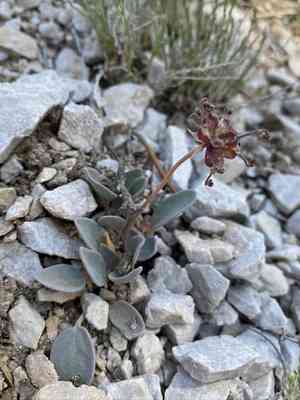
Miniature sand verbena flourishes in porous, sandy substrates. Optimal sprouting occurs when seeds are planted directly into the ground, keeping them consistently damp yet not saturated. Soaking seeds for a full day prior to planting can boost their germination success. Shield young plants from harsh thermal conditions. Provide abundant sunlight and refrain from excessive watering to avert decay. Endurance is key, as the sprouting process can be protracted.
Optimal Period for Dwarf Sand Verbena Propagation
Propagation Method
Seeding
Propagation Period
Spring
Tools for Dwarf Sand Verbena Propagation
Seed Trays
Seed trays are vital for initiating dwarf sand verbena seeds indoors or in a regulated setting. They offer a dedicated spot for each seed, ensuring proper spacing and development. Utilizing seed trays facilitates easy monitoring and management of germination conditions, such as moisture and temperature.
Soil Mix
A well-draining soil blend, ideally a cactus or succulent mix, is essential for dwarf sand verbena as it flourishes in sandy, well-aerated soils. This type of soil mix prevents waterlogging, which can be harmful to the seedlings.
Spray Bottle
A spray bottle is employed to gently mist the soil and seeds, providing uniform moisture without disturbing the soil or dislodging the seeds. This helps maintain the delicate moisture balance required for dwarf sand verbena seed germination.
Propagation Dome
A propagation dome aids in maintaining humidity and warmth around the seed trays, creating a micro-environment favorable for germination. This is particularly advantageous for dwarf sand verbena, which necessitates consistent temperatures and moisture levels for successful sprouting.
Heat Mat
A heat mat positioned beneath the seed trays can deliver consistent and regulated warmth, which is crucial for dwarf sand verbena seeds to germinate effectively. This tool assists in keeping soil temperature within the optimal range for quicker and more dependable germination.
Labeling Stakes
Labeling stakes are important for identifying and tracking dwarf sand verbena seeds and seedlings. Proper labeling helps prevent confusion and ensures that each plant receives the correct care and conditions.
Fine Mesh Sieve
A fine mesh sieve can be utilized to lightly cover the seeds with soil or sand after sowing. This tool ensures consistent and even coverage, which is vital for the successful germination of dwarf sand verbena, as it mimics its natural habitat.
How to Propagate Dwarf Sand Verbena?
Propagation Type
Simple
Caring for Your Newly Propagated Dwarf Sand Verbena
Caring for Your Newly Propagated Dwarf Sand Verbena
Post-transplant, ensure dwarf sand verbena receives ample sunlight and consistent, moderate watering, allowing the soil to dry slightly between waterings. Apply mulch around the base to retain moisture and deter weeds. Fertilize sparingly with a balanced, low-nitrogen fertilizer to prevent excessive foliage growth at the expense of blooms. Regularly inspect for pests and diseases, and remove dead or damaged foliage to encourage healthy development. Dwarf sand verbena thrives in well-draining soils and can endure drought conditions once established.
Common Errors to Avoid When Propagating Dwarf Sand Verbena
Overwatering
Dwarf sand verbena is highly vulnerable to root rot if given too much water. Gardeners often misinterpret its natural dry habitat needs as requiring more water than necessary.
Incorrect Soil Type
Using dense or poorly-draining soil can lead to inadequate root establishment and potential plant demise. Dwarf sand verbena prefers sandy, well-draining soils.
Insufficient Light
Providing inadequate sunlight can result in weak, elongated growth and poor overall plant vitality. Dwarf sand verbena thrives in full sun.
Ignoring Pest Control
Neglecting to check for pests can lead to infestations that can severely harm or kill young plants. Dwarf sand verbena can be susceptible to certain insects in garden environments.
Improper Seed Treatment
Failing to follow correct seed treatment methods, such as stratification, can lead to low germination rates. Dwarf sand verbena's seeds might require specific handling to sprout effectively.
Tips For Propagating Dwarf Sand Verbena
Watering
Water only when the soil is completely dry and ensure proper drainage to prevent root rot. Emulate the natural arid conditions where dwarf sand verbena is found.
Soil Selection
Utilize a sandy, well-draining soil mix. This mimics the natural conditions dwarf sand verbena prefers, fostering healthier root growth and overall plant health.
Lighting
Ensure dwarf sand verbena receives full sun exposure for at least 6-8 hours daily. Position the plant in the sunniest available spot.
Pest Monitoring
Regularly inspect for pests and address infestations promptly. Use organic insecticides if necessary to safeguard young plants.
Seed Preparation
Consider stratifying seeds as needed. Follow specific pre-treatment steps to enhance the germination success rate for dwarf sand verbena.



