How to Prune Dwarf sand verbena?
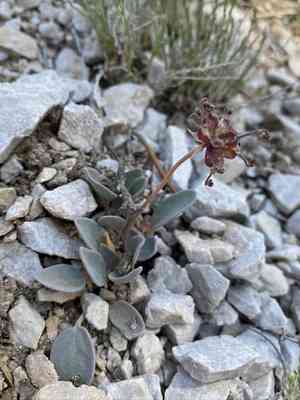
Recognized for its compact, sprawling nature and vivid blossoms, dwarf sand verbena thrives with trimming in late winter or early spring. This period enables the plant to recuperate and stimulate new development throughout its growth phase. Cut away faded blooms and any lifeless or compromised stalks to foster a refreshed look and deter ailments. Consistent trimming aids in preserving its dense shape and boosts floral production. Always employ sanitized, keen implements to avert contagions and guarantee accurate incisions.
What Are the Benefits of Pruning Dwarf Sand Verbena?
What Are the Benefits of Pruning Dwarf Sand Verbena?
Dwarf sand verbena benefits from pruning to encourage vigorous growth and maintain a compact form. Trimming helps eliminate dead or diseased sections, promotes new shoots, enhances blooming, and manages plant size, ensuring overall vitality and visual appeal.
What Is the Best Time for Pruning Dwarf Sand Verbena?
What Is the Best Time for Pruning Dwarf Sand Verbena?
The optimal time to prune dwarf sand verbena is in early spring or late winter, just before its active growth period. Pruning during these seasons allows cuts to heal rapidly as the plant begins its growth cycle, minimizing disease and stress risks. Additionally, trimming at this point ensures the plant can direct energy towards producing new growth and flowers, fostering a healthier, more robust specimen. It's vital to avoid pruning during flowering or fruiting to prevent disrupting its reproductive cycle.
What Tools Do I Need to Prune Dwarf Sand Verbena?
Bypass Pruners
Ideal for making clean cuts on live stems without crushing, ensuring minimal harm to dwarf sand verbena.
Precision Pruning Shears
Perfect for detailed trimming of smaller, delicate parts of dwarf sand verbena, allowing accurate shaping.
Disinfectant Wipes
Crucial for cleaning tools before and after use to prevent disease transmission in dwarf sand verbena.
Garden Gloves
Protective gear for safe handling of the plant, preventing potential damage to the delicate sections of dwarf sand verbena.
How to Prune Dwarf Sand Verbena
Inspect
Examine dwarf sand verbena closely to identify any diseased or withered leaves that require removal. Look for discolored, wilting, or damaged foliage.
Tool selection
Choose clean, sharp pruning shears or scissors. This will ensure a precise cut and reduce the risk of further damage or disease spread.
Remove diseased leaves
Carefully trim away any diseased leaves by cutting as close to the base of the leaf as possible. Dispose of these leaves promptly to prevent the spread of disease.
Remove withered leaves
Trim withered leaves by cutting them off at the base. Ensure you remove all of the withering material to encourage healthy new growth.
Clean up
Collect and dispose of all trimmed plant material. Clean your pruning tools with disinfectant after use to prevent any potential spread of disease to other plants.
Common Pruning Mistakes with Dwarf Sand Verbena
Over-pruning
Removing excessive foliage at once can stress dwarf sand verbena, leading to stunted development or even plant demise. It's important to approach pruning gradually.
Incorrect Technique
Using dull or unsuitable tools can result in jagged cuts, increasing the likelihood of disease and pest infestation. Always use clean, sharp shears appropriate for delicate plants.
Pruning at the Wrong Time
Pruning during inappropriate periods can disrupt dwarf sand verbena's growth cycle and diminish flowering. Although the best season is excluded here, timing still plays a critical role.
Neglecting Deadheading
Failing to remove spent flowers can hinder new blooms and encourage disease. Regular deadheading is crucial for continuous flowering.
Ignoring Plant Health
Pruning diseased or pest-infested parts with the same tools used for healthy sections can spread issues throughout dwarf sand verbena. Always disinfect tools between cuts.
Common Pruning Tips for Dwarf Sand Verbena
Assess Plant Needs
Before pruning, evaluate the overall health and structure of dwarf sand verbena. Focus on removing only whatâs necessary to facilitate air circulation and sunlight penetration.
Use Proper Tools
Invest in high-quality, sharp pruning shears or scissors specifically designed for delicate plants. This ensures clean cuts that heal quickly.
Gradual Pruning
Remove no more than one-third of the plantâs foliage at a time. This gradual approach minimizes stress and encourages robust growth.
Regular Deadheading
Consistently remove spent flowers to stimulate new blooms and maintain the plantâs aesthetic appeal. This also prevents seed formation that can sap energy from the plant.
Monitor for Pests and Diseases
Regularly inspect dwarf sand verbena for signs of disease or pests. Remove any affected parts immediately using sterilized tools to prevent spread.



