The Hidden Danger in Your Home? Unmasking the Toxicity of the Tuberous comfrey Plant.
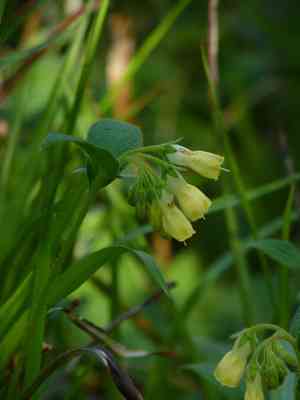
1
Every component of tuberous comfrey is poisonous to people, leading to signs such as sickness, throwing up, lightheadedness, and head pain.
2
Tuberous comfrey presents a danger to the health of both felines and canines because of its alkaloid content.
3
Prompt veterinary attention is essential if an animal is thought to have consumed any portion of tuberous comfrey.
Is Tuberous comfrey toxic to humans?
Tuberous comfrey exhibits a low level of toxicity to people, with the whole plant able to induce poisoning if consumed. Alkaloids found throughout tuberous comfrey are the main cause of its poisonous properties. When eaten, these alkaloids can trigger various symptoms, including digestive upset like sickness and throwing up, as well as broader effects such as lightheadedness and head pain. Since all components of tuberous comfrey are toxic, individuals should be careful to avoid accidental consumption, especially where the plant grows. The mild toxicity of tuberous comfrey implies that while symptoms can be unpleasant, they are generally not fatal.
Is Tuberous comfrey toxic to cat?
Tuberous comfrey presents a mild toxicity level for felines, creating a health hazard if consumed by accident. If a cat is poisoned by tuberous comfrey, it might show signs of physical distress. As the entire plant is toxic, containing alkaloids, cats are at risk if they interact with any part of tuberous comfrey. Should poisoning be suspected, it is crucial for cat guardians to promptly get professional help from a vet clinic to manage the cat's state and prevent additional health issues.
Is Tuberous comfrey toxic to dog?
Tuberous comfrey presents a slight toxicity danger to canines. Dogs might inadvertently consume parts of this plant, potentially leading to poisoning. The whole plant is toxic, so any ingestion of foliage, stalks, or roots should be a concern. After consuming tuberous comfrey, dogs could display symptoms like digestive upset, excessive salivation, throwing up, or loose stools. The alkaloids within the plant contribute to its poisonous characteristics. If you suspect your dog has eaten tuberous comfrey, it is vital to seek immediate veterinary attention to ensure the best prognosis for your animal.



