How to Prune Tuberous comfrey?
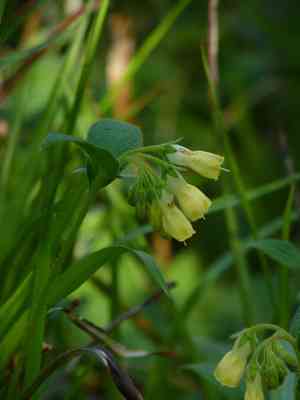
A perennial herb recognized for its campanulate blossoms and therapeutic attributes, tuberous comfrey flourishes with consistent trimming. Trim after blooming to foster denser development and eliminate any withered or compromised stalks to preserve the plant's well-being. Spring pruning facilitates revitalization and optimizes the cultivation period, whereas summer pruning ought to be scheduled following flowering to stimulate fresh sprouts. This customized trimming boosts tuberous comfrey's vigor and deters excessive growth, guaranteeing a compact and fruitful plant.
What Are the Benefits of Pruning Tuberous Comfrey?
What Are the Benefits of Pruning Tuberous Comfrey?
Trimming tuberous comfrey promotes robust development and maintains its form, which is vital for both visual appeal and the plant's well-being, ensuring optimal air flow and light exposure.
What Is the Best Time for Pruning Tuberous Comfrey?
What Is the Best Time for Pruning Tuberous Comfrey?
Pruning tuberous comfrey in late spring is ideal as it aligns with its initial growth phase, fostering healthy new shoots and revitalizing the plant post-winter dormancy. Early summer trimming helps manage tuberous comfrey's size, shape, and encourages vigorous growth before its flowering stage, directing energy towards strong vegetative parts. These periods allow gardeners to remove frost-damaged or diseased tissue, preventing pathogen spread and enhancing air circulation. Additionally, cutting back tuberous comfrey before intense summer heat minimizes plant stress, facilitating quick recovery and strong growth without compromising health or bloom potential.
What Tools Do I Need to Prune Tuberous Comfrey?
Bypass Pruners
Perfect for making clean cuts on tuberous comfrey's stems without crushing plant tissue, which is crucial for healthy regrowth.
Garden Scissors
Useful for trimming softer or smaller foliage of tuberous comfrey, allowing for precise cutting and shaping.
Pruning Saws
Recommended for cutting through thicker stems or roots of tuberous comfrey that are too large for pruners.
Long-Handled Loppers
Provide leverage and reach for pruning tuberous comfrey's taller, thicker stems without straining the gardener's back.
Gloves
An essential safety measure to protect the gardener's hands from tuberous comfrey's rough foliage and potential skin irritants.
How to Prune Tuberous Comfrey
Identify Diseased Parts
Thoroughly inspect tuberous comfrey to locate all diseased leaves and stems. Look for discoloration, spots, or decay indicating illness or wilting.
Sanitation
Sterilize pruning tools with rubbing alcohol or a bleach solution before cutting to prevent the spread of disease.
Prune Diseased Leaves
Using sharp shears, carefully remove diseased leaves from tuberous comfrey by cutting at the base of the leaf stem, avoiding damage to healthy tissue.
Prune Diseased Stems
Cut back diseased stems on tuberous comfrey to healthy tissue, ensuring a clean cut just above a leaf node or branching point. If the entire stem is affected, remove it at the base.
Dispose Waste
Collect and dispose of all diseased material from tuberous comfrey away from your compost to prevent the spread of pathogens in the garden.
Common Pruning Mistakes with Tuberous Comfrey
Over-Pruning
Removing too much foliage from tuberous comfrey at once can stress the plant, limit its growth, and reduce its vigor. Aim to remove no more than one-third of the total growth.
Improper Cutting Technique
Using dull or unclean cutting tools can damage tuberous comfrey's stems, leading to ragged cuts that are prone to disease and pest infestation. Always use sharp, sanitized pruning shears.
Neglecting Plant Shape
Random or excessive cutting without considering the natural shape of tuberous comfrey can result in an unattractive, imbalanced appearance. Follow the plant's natural form when pruning.
Ignoring Dead Or Diseased Growth
Failure to remove dead or diseased plant material can prevent tuberous comfrey from producing new, healthy growth and may lead to the spread of disease.
Common Pruning Tips for Tuberous Comfrey
Health Maintenance
Regularly inspect tuberous comfrey for signs of dead, diseased, or damaged growth and remove it promptly to maintain plant health and encourage new growth.
Encourage Flowering
Since tuberous comfrey blooms on current year's growth, light, annual pruning can help promote robust flowering. Trim back the plant to maintain its size and shape, which can also invigorate further flowering.
Tool Cleanliness
Ensure that tools are clean and sharp prior to pruning tuberous comfrey to make precise cuts that heal quickly, reducing the risk of disease transmission.
Pruning For Shape
When thinning tuberous comfrey, focus on preserving the plant's natural mound shape whilst removing select stems to encourage air circulation and reduce the likelihood of fungal diseases.
Recycling Prunings
Utilize the prunings of tuberous comfrey as compost or mulch, given the plant's beneficial properties. However, ensure that diseased materials are not recycled to prevent spread in the garden.



