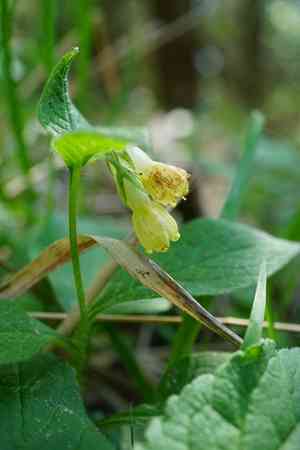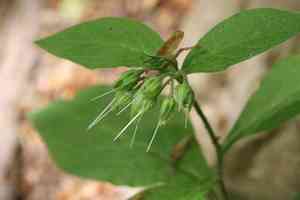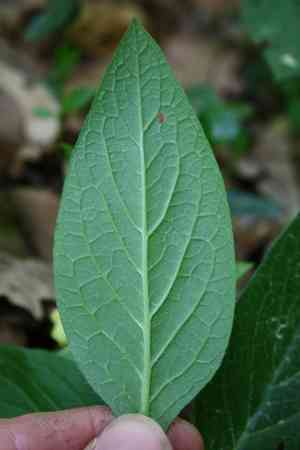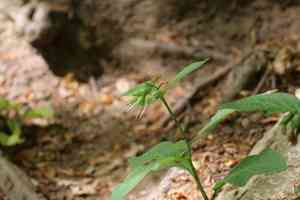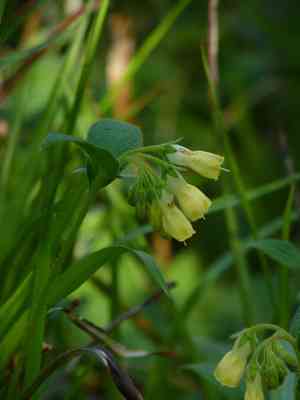
Tuberous comfrey(Symphytum tuberosum)

Tuberous comfrey (Symphytum tuberosum)

Also known as: Tuberous Comfrey

Tuberous comfrey (Symphytum tuberosum) is a resilient plant native to Europe and now also found in western North America. It features slightly hairy leaves and aromatic flowers that attract various bee species. While the raw leaves are mildly toxic, they become safe to eat when cooked. The root can also be consumed, often roasted, ground, and used as a coffee substitute.

Attributes of Tuberous comfrey

Lifespan
Perennial
Plant Type
Herb
Plant Height
46 cm to 61 cm
Spread
45 cm to 60 cm
Leaf Color
Green
Flower Size
2.5 cm
Flower Color
Yellow Cream

ForwardPlant - Identify plants with a snap

Identify and diagnose plants, get toxicity alerts, and explore safety guides for all types of fungi.

Try for Free

Images of Tuberous comfrey

Tuberous comfrey(Symphytum tuberosum)

Quickly Identify Tuberous comfrey

1
Look for the thick, tuberous roots and hairy leaves. The plant typically produces bell-shaped, creamy-yellow flowers.

Scientific Classification of Tuberous comfrey

Phylum
Vascular plants
Class
Dicotyledons
Order
Boraginales
Family
Borage
Genus
Comfrey
Species
Tuberous comfrey

Planting and Growing of Tuberous comfrey

Care Difficulty
Easy
Watering Schedule
Every 3 days
Sunlight Requirements
Partial sun
Sunshine Duration
4-6 hours
Ideal Temperature
50-70℉
Soil Type
Potting Mix, Peat Mix
Soil pH
6.5-7.5
Fertilizer Type
Balanced
Pruning Season
Spring, Summer
Pruning Area
Branches, Leaves
Pruning Frequency
2 times a year
Repotting Season
Spring
Pot Type
Plastic, Ceramic

water icon How to Water Tuberous comfrey?

Symphytum tuberosum thrives when its soil is kept consistently moist but not waterlogged. Aim to water thoroughly so that the soil is soaked to a depth of about 15 cm, roughly requiring around 250 ml per watering session.
What are the symptoms of an underwatered Tuberous comfrey? ›
What should I do if my Tuberous comfrey is not getting enough water? ›
What are the symptoms of an overwatered Tuberous comfrey? ›
How to save an overwatered Tuberous comfrey? ›

sunlight icon What Are the Sunlight Requirements for Tuberous comfrey?

Sunlight Requirements: Partial sun
Duration of light: 2 to 4 hours
Partial sun with 2 to 4 hours of light ensures optimal growth for Symphytum tuberosum. This balance aids in photosynthesis, promotes healthy foliage, and supports blooming without risking foliage burn or dehydration.
What is the ideal light exposure for Symphytum tuberosum? ›
How can I ensure my plant gets the ideal lighting? ›
What benefits come with the right lighting? ›
More About Sunlight Requirements Techniques→

temperature icon What Is the Ideal Temperature Range for Tuberous comfrey?

Ideal Temperature: 50 ~ 70℉
The ideal temperature range for Symphytum tuberosum lies between 50°F to 70°F. This range ensures optimal growth and vitality by maintaining metabolic rates that promote healthy foliage and root development. Establishing such an environment encourages efficient water and nutrient uptake, crucial for the plant's overall health.

soil icon What Soil is Best for Tuberous comfrey?

Soil type: Loam, Clay soil, Sandy loam
Soil PH: 6.5 ~ 7.5
Symphytum tuberosum thrives in soil that effectively retains moisture without being waterlogged. This ensures consistent hydration, promoting lush growth and vibrant foliage, essential for the plant's health. Opt for soil with a well-drained structure to prevent root rot. This promotes healthy root development, ensuring that the plant can uptake nutrients efficiently for robust growth. Rich, fertile soil is crucial for Symphytum tuberosum as it requires a good supply of nutrients. This supports prolific flowering and strong vegetative growth, enhancing the plant's ornamental appeal.

fertilize icon How to Fertilize Tuberous comfrey?

Fertilizer type: Balanced
For Symphytum tuberosum, the recommended fertilizer amount should be moderate, as this plant benefits from balanced nutrition without excess. Use a dilute solution of liquid fertilizer at half the recommended strength during the growing season to avoid nutrient burn.

prune icon How to Prune Tuberous comfrey?

Pruning Time: Spring
Begin by identifying any leaves that appear to be wilting, discolored, or damaged. Removing these will direct more nutrients to healthier parts of the plant. Symphytum tuberosum thrives better with balanced growth. Trim back excessive foliage to ensure the plant doesn't become top-heavy and remains aesthetically pleasing. After the blooms have faded, carefully remove them by making clean cuts just above a set of healthy leaves to stimulate the plant to produce more blooms. More About Pruning Techniques→

propagate icon How to Propagate Tuberous comfrey plant?

Propagate Time: Spring, Early spring
1
Choose a robust Symphytum tuberosum plant from which to take cuttings or divisions. Ensure the plant shows no signs of disease or pest infestation to increase the likelihood of successful propagation.
2
Carefully dig around the base of the plant to expose the roots. Using sterilized pruning shears, cut a section of the root approximately 2-3 inches long. Make clean cuts to avoid crushing the root tissue.
3
Place the prepared root cuttings or plant divisions in pots filled with moist potting soil. Position them at a depth where the top of the cuttings is level with the soil surface. Firmly press the soil around the roots.
More About Propagating Techniques→

repot icon How to Repot Tuberous comfrey plant?

Repotting frequency: Every 2-3 years
1
Symphytum tuberosum should be repotted when you notice roots emerging from the drainage holes or when the plant becomes root-bound. Typically, spring or summer is the ideal time as the plant is actively growing and can recover quickly.
2
Select a pot that is one size larger than the current one. Ensure it has adequate drainage holes to prevent waterlogging, which can lead to root rot. A slightly heavier pot can also help stabilize the plant as it grows larger and bushier.
3
Opt for a well-draining loamy soil mix. This provides the necessary nutrients while preventing water stagnation. A good balance of moisture retention and drainage is essential for healthy root development.

ForwardPlant - Identify plants with a snap

Find the best spots for them to optimize their health, simply using your phone.

Try for Free

Toxicity of Tuberous comfrey

Is Tuberous comfrey toxic to humans?

Tuberous comfrey exhibits a mild toxicity level in humans, with the entirety of the plant capable of inducing poisoning if consumed. The toxic characteristics of tuberous comfrey are primarily attributed to the presence of alkaloids throughout the plant. Upon ingestion, these alkaloids may result in various symptoms, including gastrointestinal disturbances such as nausea and vomiting, alongside more systemic reactions like dizziness and headaches. Given that all sections of tuberous comfrey are toxic, it is essential for individuals to exercise caution to avoid accidental consumption, especially in areas where this plant is found. The mild toxicity associated with tuberous comfrey implies that while the symptoms can be uncomfortable, they are generally not life-threatening.

Is Tuberous comfrey toxic to cat?

Tuberous comfrey is mildly toxic to cats, representing a health hazard if consumed accidentally. A cat that ingests tuberous comfrey may show signs of physical discomfort due to poisoning. Given that the entire plant is harmful, containing alkaloids, cats are at risk if they engage with any portion of tuberous comfrey. Should poisoning be suspected, it is crucial for cat owners to promptly seek expert assistance from a veterinary clinic to address the cat's condition and avert additional health issues.

Is Tuberous comfrey toxic to dog?

Tuberous comfrey presents a mild toxicity hazard for dogs. Canines might inadvertently consume parts of this plant, which can result in possible poisoning. All sections of the plant are toxic, so ingesting leaves, stems, or roots should raise alarms. Following the ingestion of tuberous comfrey, dogs may show symptoms such as upset stomach, excessive drooling, vomiting, or diarrhea. The alkaloids found in the plant are responsible for its toxic effects. If you believe your dog has eaten tuberous comfrey, it is crucial to seek prompt veterinary assistance to ensure the best outcome for your pet.

Identify toxic plants for your safety

Learn which plants are harmful to you and your pets, and make informed choices for a safer home!

Try for Free
WARNING
The judgment on toxicity and danger is for reference only. We DO NOT GUARANTEE any accuracy of such judgment. Therefore, you SHALL NOT rely on such judgment. It is IMPORTANT TO SEEK PROFESSIONAL ADVICE in advance when necessary.
More About Toxic Techniques→