The Tuberous comfrey Plant Advantage: Maximizing Home and Office Appeal and Wellness
1
Tuberous comfrey is a robust perennial that flourishes in diverse soil compositions and environments.
2
The subterranean stems and foliage of Tuberous comfrey are frequently incorporated into organic soil amendments.
3
Tuberous comfrey enhances soil composition and enriches nutrient content, fostering more vigorous plant development.
What is Tuberous comfrey?
Appearance
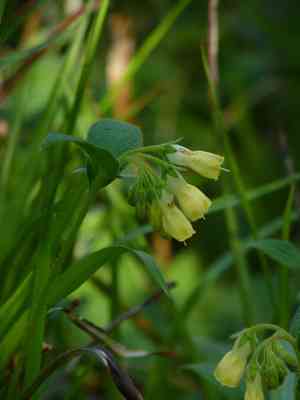
Tuberous comfrey is a herbaceous plant characterized by its substantial, tuberous root system and its vibrant green leaves. Its foliage is lance-shaped, and it produces clusters of bell-shaped blossoms that vary in hue from yellow to white. Reaching up to 60 cm in height, Tuberous comfrey can be a striking element in any garden setting.
Growth Conditions
Tuberous comfrey adapts well to diverse soil types, including loamy, sandy, and clay. It prefers soil that drains effectively but can endure wetter environments. Partial shade is optimal, though it can also flourish in full sun. The plant is resilient and can withstand cold temperatures, making it suitable for many different climates.
How Does Tuberous comfrey Benefit Your Garden?
Natural Fertilizer
One of the most significant advantages of Tuberous comfrey is its capacity to function as a natural fertilizer. Its deep roots extract nutrients from the subsoil, which are then stored in its leaves. When these leaves decompose, they release nutrients back into the topsoil, enriching it. You can also create a nutrient-rich compost or liquid feed from its leaves, which is excellent for nourishing other plants in your garden.
Soil Improvement
Tuberous comfrey roots assist in breaking up compacted soil, enhancing drainage and aeration. This improvement fosters the health of other plants by enabling their roots to grow more effectively. Furthermore, the decaying roots add organic matter to the soil, which can improve its structure and water-retention capabilities.
What Are Other Uses of Tuberous comfrey?
Attracting Pollinators
Tuberous comfrey flowers are highly attractive to pollinators such as bees and butterflies. By cultivating Tuberous comfrey in your garden, you can support these beneficial insects, which contribute to the pollination of many other plants, including fruits and vegetables. This leads to more productive gardening efforts and a more vibrant garden ecosystem.
Erosion Control
The dense root system of Tuberous comfrey can help to stabilize soil, making it an excellent option for erosion control on slopes or other susceptible areas in your garden. Its robust roots hold the soil together, reducing the risk of erosion and preserving your garden landscape.
How to Care for Tuberous comfrey?
Planting Tips
Plant Tuberous comfrey in early spring or autumn to allow it time to establish before the extremes of summer or winter. Space the plants approximately 30 cm apart to provide ample room for growth. Ensure the soil is well-drained and enriched with organic matter for optimal results.
Maintenance and Harvesting
Tuberous comfrey requires minimal upkeep once established. Water it consistently, especially during dry periods, and remove any competing weeds. Harvest the leaves periodically for use in compost or to create liquid fertilizer. Prune back dead or damaged foliage to maintain the plant's health.
Can Tuberous comfrey Be Invasive?
Managing Growth
Tuberous comfrey can spread quickly under favorable conditions, potentially becoming invasive. To control its growth, you can limit its spread by planting it in containers or designated garden beds with barriers. Regular harvesting of the plant also helps to manage its size and prevent it from overtaking other plants in your garden.
Ecological Balance
While Tuberous comfrey can be vigorous, its advantages often outweigh the potential for invasiveness if managed properly. Encouraging its positive attributes, such as natural fertilization and soil improvement, can help maintain an ecological balance in your garden.
Where to Get Tuberous comfrey?
Purchasing
You can acquire Tuberous comfrey from local plant nurseries or online retailers. Look for healthy, disease-free specimens and consider the plant's growing requirements as you shop.
Propagation
Tuberous comfrey can be propagated through root divisions or cuttings. This method is economical and ensures that you have a continuous supply of the plant to utilize in various areas of your garden.



