The Hidden Danger in Your Home? Unmasking the Toxicity of the Silverleaf nightshade Plant.
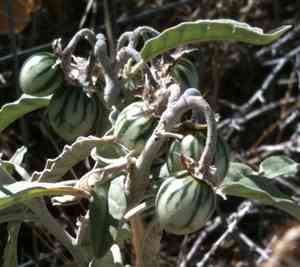
1
Silverleaf nightshade berries possess the toxic glycoalkaloid solanine, capable of inducing significant digestive and nervous system problems.
2
Every component of silverleaf nightshade is harmful to kids, felines, and canines, potentially causing toxicity if consumed.
3
Prompt veterinary attention is crucial for animals exhibiting signs of illness after consuming silverleaf nightshade.
Is Silverleaf nightshade harmful to humans?
Silverleaf nightshade is a highly poisonous plant. Its fruits contain the toxic glycoalkaloid solanine, and its roots, foliage, and stem also possess harmful alkaloids. Consuming the berries can lead to severe neurological, digestive, and cardiovascular issues. Symptoms include stomach cramps, sickness, throwing up, and loose stools. Headaches, vomiting, lightheadedness, and disorientation may also arise, along with irregular heartbeats. In greater amounts, the fruits can cause lasting health issues or even be deadly. The plant presents minimal danger to adults, but children might be drawn to the ripe berries.
Is Silverleaf nightshade harmful to felines?
Silverleaf nightshade presents a moderate danger to cats. Exposure happens when a cat consumes any portion of the plant, as every part is poisonous. Following ingestion, felines might display various indications of physical discomfort or sickness. Prompt veterinary intervention is crucial to handle the health dangers linked with silverleaf nightshade. Pet owners should ensure their animals cannot reach this plant to avoid potential poisoning.
Is Silverleaf nightshade harmful to canines?
Silverleaf nightshade poses a moderate danger to dogs. Dogs can be poisoned by consuming any part of the plant, as all components are toxic. If a dog ingests parts of silverleaf nightshade, they might show signs such as digestive upset, neurological problems, or other body-wide effects. It is vital for dog owners to be watchful and stop their pets from entering areas where silverleaf nightshade grows. Should a dog consume this plant, immediate veterinary care is essential to manage the poisoning effectively.



