The Hidden Danger in Your Home? Unmasking the Toxicity of the Honeyvine Plant.
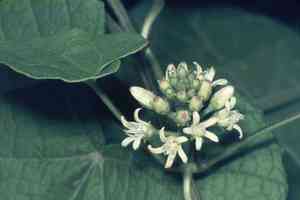
1
The fluid from honeyvine is highly poisonous and can lead to lasting eye harm if it makes contact.
2
Honeyvine shows slight toxicity to felines and may cause physical distress or sickness if consumed.
3
Every part of the honeyvine plant is poisonous to canines, possibly resulting in digestive issues such as throwing up and loose stools.
Is Honeyvine harmful to people?
Honeyvine poses a health risk because it contains cardenolide alkaloids. Skin contact with any part of the plant can cause irritation, and if the highly toxic sap gets into the eyes, it can lead to lasting damage. It's advisable to wear protective gear like gloves when handling honeyvine or to wash skin thoroughly after contact. Consuming large amounts of any plant part is also harmful. Fortunately, due to its unappealing flavor, human ingestion poisoning incidents are rare.
Is Honeyvine harmful to felines?
Honeyvine, also known as Honeyvine, presents a low level of toxicity to cats. Felines can experience poisoning if they consume significant quantities of any part of the honeyvine plant. Upon ingestion, cats might display signs of discomfort or illness, which, while not specific to this plant, require attention. Lacking precise information on honeyvine's toxic compounds, the focus remains on its potential to cause adverse health effects in cats. Cat owners must observe their pets and promptly seek veterinary assistance at the closest animal clinic if their cat consumes honeyvine and shows signs of distress.
Is Honeyvine harmful to canines?
The plant species honeyvine is recognized for its slight toxicity to dogs. Dogs can suffer poisoning from this plant if they consume it in substantial quantities. Every component of honeyvine is deemed toxic, meaning that ingesting any part, be it foliage, stalks, blossoms, or seeds, could potentially result in poisoning. Symptoms of poisoning can differ but might include digestive upset such as throwing up and loose stools. It is vital for dog owners to supervise their pets and restrict access to honeyvine, particularly if the dog tends to chew on plants. Should a dog consume honeyvine, it is critical to seek immediate veterinary attention for appropriate treatment and symptom management.



