The Hidden Danger in Your Home? Unmasking the Toxicity of the Horseradish Plant.
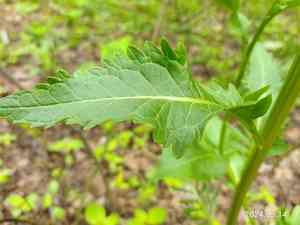
1
Consuming substantial quantities of horseradish roots can cause severe reactions in humans, including perspiration, digestive issues, and confusion.
2
If cats ingest considerable amounts of horseradish leaves or roots, it can result in physical distress that requires urgent veterinary attention.
3
Dogs that consume a lot of horseradish may suffer from toxicity, characterized by digestive problems and excessive salivation, and will need immediate veterinary intervention.
Is Horseradish toxic to humans?
Consuming a substantial quantity of horseradish can lead to adverse effects in people. Since parts of this plant are commonly used in cooking, individuals might experience these issues if they consume a large amount of its roots as a foraged food. The symptoms are typically mild, stemming from the glucosinolates found in the subterranean roots. If enough roots are consumed, they can trigger symptoms like perspiration, digestive upset, fatigue, and a sense of confusion.
Is Horseradish toxic to cat?
Horseradish presents a low toxicity risk to felines, mainly if considerable amounts of its foliage or roots are consumed. Although specific harmful compounds aren't detailed, cat owners should be watchful as ingesting large quantities might cause physical discomfort necessitating veterinary care. If you suspect your cat has eaten horseradish, it's crucial to get immediate veterinary assistance to safeguard your pet's health and well-being.
Is Horseradish toxic to dog?
Horseradish carries a slight toxicity risk for canines. While minor amounts might not cause serious harm, consuming large quantities can result in poisoning. The plant components harmful to dogs include both its leaves and roots. Dogs that have eaten these parts of horseradish might display symptoms such as digestive upset, excessive salivation, or other signs of discomfort. It's vital for dog owners to supervise their pets and stop them from eating significant portions of this plant. Should a dog ingest horseradish and start showing any negative reactions, it's imperative to seek immediate veterinary treatment to ensure their health.



