The Hidden Danger in Your Home? Unmasking the Toxicity of the Purplestem angelica Plant.
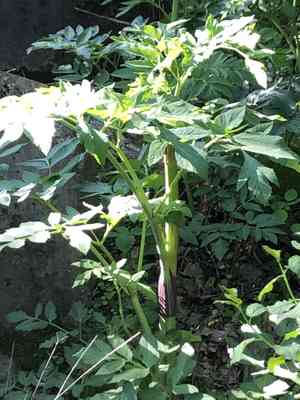
1
Furanocoumarins present in purplestem angelica induce painful skin eruptions upon sun exposure following dermal contact.
2
Consumption of purplestem angelica results in significant gastrointestinal problems, including emesis, abdominal pain, loose stools, and oral lesions.
3
Both felines and canines are susceptible to purplestem angelica toxicity if they consume substantial amounts of the plant's fluid or sap.
Is Purplestem angelica harmful to people?
Every part of purplestem angelica contains furanocoumarin toxins, which can lead to severe problems even from skin contact. This toxin causes intense inflammation, particularly when sun exposure follows skin contact, resulting in a painful rash. The higher the toxin concentration in a plant or species, the more severe the reaction. Ingesting significant amounts will cause severe digestive upset, vomiting, painful abdominal cramps, diarrhea, and a rash in the mouth and throat. Keep children away from this plant. If you or someone else accidentally touches a plant from this family, thoroughly wash your skin with a degreasing soap before sun exposure.
Is Purplestem angelica harmful to felines?
Purplestem angelica presents a low toxicity risk to cats, mainly if the plant's sap or juice is consumed in considerable amounts. Cats exposed to purplestem angelica might display signs of physical discomfort or distress. To safeguard pets, it's vital to ensure they cannot access this plant and to quickly seek veterinary assistance if poisoning is suspected, to lessen any potential health dangers.
Is Purplestem angelica harmful to canines?
Purplestem angelica presents a low toxicity risk to dogs. While the plant itself isn't highly toxic, consuming large quantities can lead to poisoning. The main concern stems from the sap or juice of purplestem angelica, which contains the harmful compounds. Dogs might be poisoned by chewing on or ingesting parts of purplestem angelica that contain this sap. Symptoms of poisoning can include digestive issues, such as vomiting and diarrhea, and may progress to more serious reactions depending on the amount consumed and the individual dog's sensitivity. It is crucial for dog owners to supervise their pets and prevent access to purplestem angelica, especially if the pet tends to chew on plants. In any suspected poisoning incident, immediate veterinary care is essential to ensure prompt treatment and reduce any negative effects.



