How to Prune Purplestem angelica?
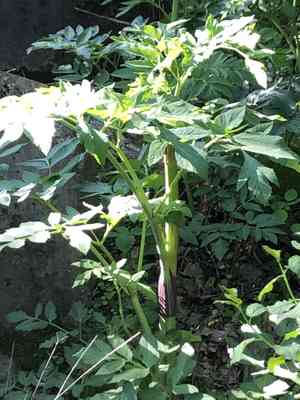
Distinguished by its lofty height and umbrella-like floral arrangements, purplestem angelica flourishes with infrequent trimming. Trimming efforts should concentrate on eliminating deceased or compromised stalks to stimulate development. The ideal period for pruning is in late spring or early summer, following the blooming phase, to prevent interference with flower generation. Judicious thinning of congested sections enhances air movement, contributing to the plant's well-being. Pruning additionally preserves an appealing form and deters purplestem angelica from becoming excessively sprawling.
What Are the Benefits of Pruning Purplestem Angelica?
What Are the Benefits of Pruning Purplestem Angelica?
Trimming purplestem angelica promotes robust development and helps maintain its shape. Removing overgrown or dead branches enhances air flow, lowering disease risk and fostering a strong structure.
What Is the Best Time for Pruning Purplestem Angelica?
What Is the Best Time for Pruning Purplestem Angelica?
The ideal times for pruning purplestem angelica coincide with its active growth period. Pruning in late spring allows for the removal of any winter-damaged stems and contributes to a healthier, more vigorous plant structure as new growth begins. During early summer, any excessive or unwanted growth can be trimmed to encourage better air circulation, reduce disease risk, and shape the plant for aesthetic purposes. Pruning during these seasons avoids disrupting purplestem angelica's flowering cycle, which typically occurs in summer, ensuring pollinators can still benefit from the flowers, and if applicable, allows the plant to set seed. Avoid pruning in late summer, fall, or winter, as this can stimulate new growth that may not harden off in time for freezing temperatures, resulting in damage to purplestem angelica.
What Tools Do I Need to Prune Purplestem Angelica?
Hand Pruners
For trimming and shaping smaller stems of purplestem angelica, hand pruners are essential. They allow for precise cuts without damaging the plant. The bypass pruners, in particular, are recommended as they make clean cuts that heal more quickly.
Loppers
Loppers come in handy for reaching stems that are thicker and higher up on purplestem angelica. They provide the leverage needed for cutting through stems up to 2 inches in diameter without straining the gardener's hands.
Pruning Saw
For the thickest stems of purplestem angelica, a pruning saw is necessary. These saws can handle stems and branches over 2 inches in diameter. Their sharp teeth and ergonomic handles make it easier to cut through tough plant material.
Garden Shears
For shaping and maintaining the foliage of purplestem angelica, garden shears are ideal. They can cut through multiple slender stems at once, allowing for quick and efficient shaping of the plant.
How to Prune Purplestem Angelica
Clean tools
Sanitize pruning shears or scissors with rubbing alcohol or a bleach solution before starting to prevent the spread of disease.
Inspect plant
Examine purplestem angelica thoroughly to identify dead or diseased stems, which may appear discolored, shriveled, or withered.
Remove dead stems
Carefully cut dead stems at the base of purplestem angelica, close to the ground. Ensure cuts are clean and do not leave jagged edges that could harm the plant.
Prune diseased stems
Trim diseased stems on purplestem angelica by cutting at least several inches below the affected area, ensuring you remove all diseased tissue.
Disinfect tools
After pruning, re-sanitize your tools to prevent any potential spread of disease to other plants or to purplestem angelica in the future.
Common Pruning Mistakes with Purplestem Angelica
Over-pruning
Cutting back purplestem angelica too severely can reduce its vigor and may lead to a weakened plant that is susceptible to pests and diseases.
Irregular cuts
Making sloppy or jagged cuts on purplestem angelica can harm the stems and create entry points for pathogens.
Removing too much foliage
Stripping away too much foliage at once can stress purplestem angelica, undermining its ability to photosynthesize and thrive.
Shearing
Using shears instead of clean, sharp snips can crush purplestem angelica's stems and foliage, hindering proper healing and regrowth.
Neglecting tool hygiene
Failing to clean and disinfect pruning tools can spread diseases from infected plants to healthy ones while pruning purplestem angelica.
Common Pruning Tips for Purplestem Angelica
Selective thinning
Carefully thin out crowded areas of purplestem angelica to improve air circulation and light penetration, which can enhance growth and reduce disease pressure.
Cutting technique
Make clean, angled cuts on purplestem angelica to promote healing and prevent water accumulation, which could lead to decay.
Maintenance pruning
Regularly remove any dead, damaged, or diseased stems from purplestem angelica to maintain its health and appearance.
Height control
If necessary, cut back purplestem angelica to control its height, but do so in moderation to prevent shock to the plant.
Tool sharpness
Always use sharp, clean pruning tools to make precise cuts on purplestem angelica, which will facilitate quick recovery and minimize stress.



