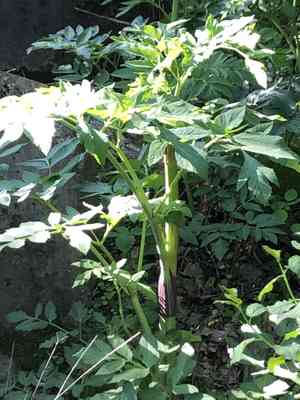
Purplestem angelica (Angelica atropurpurea)
Also known as: Masterwort, High angelica
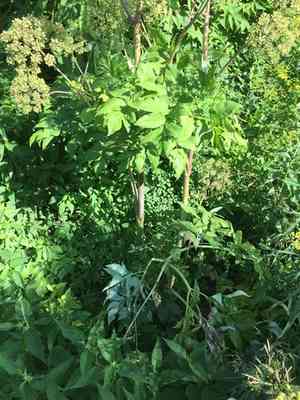
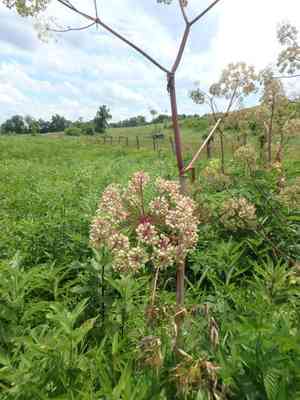
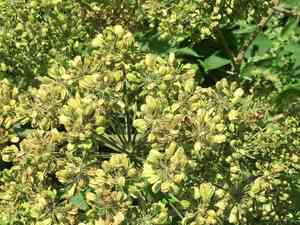
The plant you are referring to is the Purplestem Angelica (Angelica atropurpurea). Native to eastern North America, it thrives in moist woodlands and along riverbanks. Despite its several-year lifespan, it produces flowers only once. Historically, this plant held ceremonial significance for some Native American tribes.
Attributes of Purplestem angelica
Images of Purplestem angelica

Quickly Identify Purplestem angelica
Scientific Classification of Purplestem angelica
Planting and Growing of Purplestem angelica
 How to Water Purplestem angelica?
 What Are the Sunlight Requirements for Purplestem angelica?
 What Is the Ideal Temperature Range for Purplestem angelica?
 What Soil is Best for Purplestem angelica?
 How to Fertilize Purplestem angelica?
 How to Prune Purplestem angelica?
 How to Propagate Purplestem angelica plant?
 How to Repot Purplestem angelica plant?
Toxicity of Purplestem angelica
Is Purplestem angelica toxic to humans?
All components of purplestem angelica are imbued with harmful substances known as furanocoumarins, which can lead to serious problems even upon mere skin contact. This toxin causes intense inflammation, particularly when the skin is exposed to sunlight, resulting in an excruciating rash. The level of toxin present in a particular species or plant directly correlates with the severity of the reaction. When substantial quantities are ingested, this inflammation can lead to extreme gastrointestinal distress, vomiting, painful cramping, diarrhea, and a rash in the oral cavity and throat. It is crucial to keep children away from this plant. If you or another individual inadvertently comes into contact with a member of this plant family, ensure to cleanse your skin thoroughly with a grease-cutting soap prior to sun exposure.
Is Purplestem angelica toxic to cat?
Purplestem angelica presents a moderate toxicity hazard to cats, especially when significant amounts of the plant's sap or juice are consumed. Cats that come into contact with purplestem angelica may exhibit symptoms of physical unease or distress. To safeguard pets, it is essential to prevent their access to this plant and to promptly consult a veterinarian if poisoning is suspected, thereby reducing any possible health risks.
Is Purplestem angelica toxic to dog?
Purplestem angelica presents a mild toxicity risk for dogs. Although the plant is not extremely toxic, consuming it in significant amounts can result in poisoning. The main concern is related to the sap or juice present in purplestem angelica, which carries toxic compounds. Dogs may experience poisoning from chewing on or eating parts of purplestem angelica that contain this sap. Symptoms of toxicity can manifest as gastrointestinal distress, including vomiting and diarrhea, and may escalate to more serious reactions based on the quantity ingested and the individual dog's sensitivity. It is vital for dog owners to supervise their pets and restrict access to purplestem angelica, particularly if their pet has a habit of chewing on plants. In any suspected poisoning scenario, seeking immediate veterinary care is crucial to ensure rapid intervention and help minimize any negative effects.



