How to Overwinter Purplestem angelica
1
Purplestem angelica tolerates cold well, making it adaptable to diverse weather conditions.
2
Consistent trimming and applying mulch greatly improve the plant's ability to withstand winter.
3
Appropriate winter maintenance guarantees Purplestem angelica flourishes and flowers beautifully in spring.
What is Purplestem angelica and Why Overwinter It?
What is Purplestem angelica and Why Overwinter It?
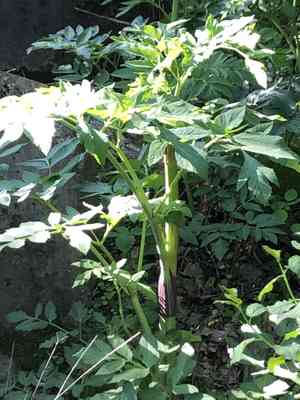
Purplestem angelica (Angelica atropurpurea) is a grand and hardy biennial plant recognized for its striking purple stems and large, umbrella-shaped clusters of small white or greenish blooms. Indigenous to North America, this impressive plant can reach heights of up to 2.5 meters (8 feet) and is frequently found in damp woodlands and along riverbanks. Overwintering Purplestem angelica is crucial for maintaining its health and strength, ensuring its vigorous return in subsequent growing seasons. By implementing preventative measures during the colder months, you can shield this plant from the harshest elements while enhancing its overall longevity and flowering potential.
Preparing Purplestem angelica for Winter
Cleaning and Pruning
Before the onset of winter, it's vital to clean and trim your Purplestem angelica. Begin by removing any dead or diseased foliage and stems, as these can harbor pests and pathogens throughout the winter. Utilize clean, sharp pruning shears to cut back the plant, leaving only the healthy portions. This aids the plant in conserving energy during colder periods and minimizes the risk of frost damage.
Mulching Techniques
Mulching is an excellent method to insulate the roots of your Purplestem angelica and safeguard it from freezing temperatures. Apply a thick layer of organic mulch, such as straw, fallen leaves, or compost, around the plant's base, approximately 7.5-10 centimeters (3-4 inches) deep. This acts as a protective layer, retaining soil moisture and maintaining a more stable underground temperature.
How to Provide Winter Protection
Using Garden Fabric and Covers
For additional defense against severe winter weather, consider employing garden fabric or frost covers. These materials can help shield your Purplestem angelica from frost, wind, and snow. Secure the fabric around the plant, ensuring it completely covers the plant from top to bottom, but allows some air circulation to prevent the accumulation of mold and mildew.
Location and Microclimates
The placement of your Purplestem angelica can also play a significant role in its winter survival. Positioning it near a south-facing wall can provide extra warmth and shelter. Furthermore, natural microclimates in your garden, such as protected areas or spots with consistent snow cover, can offer superior protection during winter.
Watering and Feeding During Winter
Winter Watering Schedule
Purplestem angelica still requires hydration during the winter, though less frequently. Water the plant deeply before the ground freezes to ensure the roots are adequately hydrated. During winter, monitor soil moisture and water sparingly, only if the soil appears extremely parched. Avoid overwatering, as excessive moisture can lead to root rot in cold conditions.
Fertilizing Considerations
Fertilizing during winter is generally not necessary for Purplestem angelica. Instead, focus on ensuring the soil remains healthy and well-mulched. If required, you can apply a slow-release, balanced fertilizer in early spring, which will supply nutrients as the plant begins to resume growth.
Monitoring and Troubleshooting Winter Issues
Identifying Potential Problems
Throughout winter, regularly inspect your Purplestem angelica for indications of trouble. Watch out for frost damage, mold, and pest infestations. Frost damage typically manifests as blackened or wilted leaves, while mold may appear as fuzzy, white patches on plant surfaces.
Solutions for Common Winter Issues
If you observe any problems, address them promptly. For frost damage, prune affected parts to prevent further spread. If mold is present, ensure better airflow and reduce moisture around the plant. Pest infestations can be alleviated by using organic insecticidal soap or neem oil to treat the affected areas.



