Ideal Temperature for Chick-pea milk vetch
Images of Chick-pea milk vetch
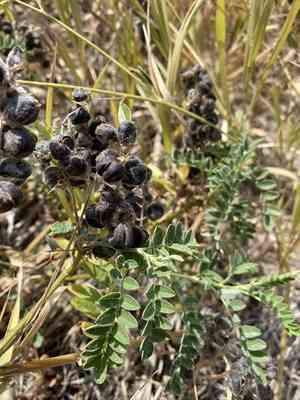
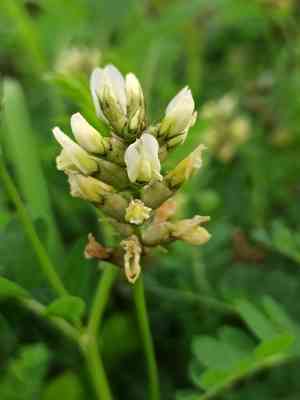
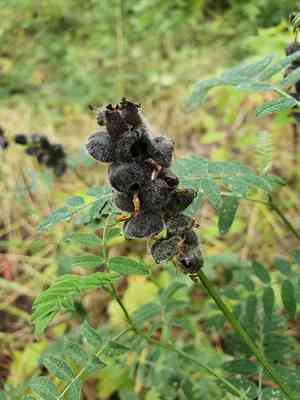
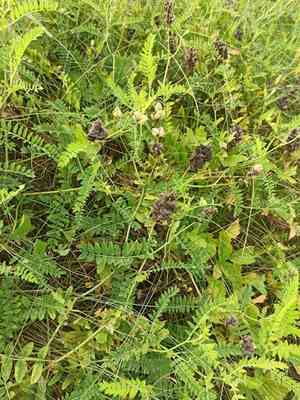
Signs of Cold Stress in Chick-pea milk vetch
Symptoms
Chick-pea milk vetch exhibits strong cold resistance, but winter temperatures must remain above 40℉. Should temperatures fall below this point, while no immediate changes might be apparent in winter, reduced or absent sprouting could occur in spring.
Solutions
During spring, remove any sections that have not sprouted.
Signs of Heat Stress in Chick-pea milk vetch
Symptoms
Chick-pea milk vetch does not tolerate elevated temperatures well. When temperatures surpass 75℉, its development ceases, and it becomes more prone to decay.
Solutions
Remove any parts that are scorched and desiccated. Relocate the plant to an area offering protection from the midday and afternoon sun, or use a shade cloth for cover. Water the plant in the morning and evening to maintain soil moisture.



