How to Prune Chick-pea milk vetch?
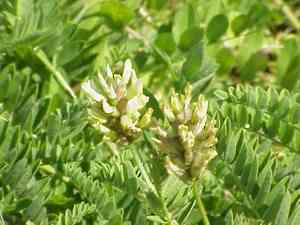
Perfect for ground cover or animal feed, chick-pea milk vetch thrives with periodic trimming to sustain its compactness and foster vigorous development. Perform a light trim in spring to eliminate any deceased or frail branches, stimulating fresh sprouts. During summer, reduce the foliage after blooming to rejuvenate the plant. Always employ sanitized, sharp implements for accurate incisions, preventing damage to chick-pea milk vetch. Consistent trimming enhances air movement, lowers the likelihood of ailments, and guarantees strong seasonal vitality.
What Are the Benefits of Pruning Chick-pea Milk Vetch?
What Are the Benefits of Pruning Chick-pea Milk Vetch?
Trimming chick-pea milk vetch promotes vigorous development and maintains its form. By selectively removing parts of the plant, energy is redirected to foster healthier, denser foliage and structural integrity.
What Is the Best Time for Pruning Chick-pea Milk Vetch?
What Is the Best Time for Pruning Chick-pea Milk Vetch?
Pruning chick-pea milk vetch in late spring to early summer coincides with the period after flowering when the plant has used its energy to produce blooms and is ready to channel its energy into new growth. This timing prevents the removal of flowers essential for the plant's reproductive process. Pruning at this stage can help encourage more robust and structured growth for the next season, reduce disease risk by removing dead or diseased parts, and ensure chick-pea milk vetch has ample time to recover and store energy for winter dormancy.
What Tools Do I Need to Prune Chick-pea Milk Vetch?
Bypass Hand Pruners
Chick-pea milk vetch has a growth habit that necessitates careful thinning to preserve plant health. Bypass pruners are perfect for making clean cuts on the plant's green and semi-woody stems without causing undue harm to surrounding tissues.
Garden Shears
For shaping and trimming chick-pea milk vetch's foliage, garden shears offer a scissor-like action ideal for cutting through softer, leafier sections of the plant. This tool allows for quick and precise shaping.
Long-Handled Loppers
If chick-pea milk vetch has more established, thicker branches, long-handled loppers are crucial. They provide the leverage needed to make clean cuts through woody stems that are out of reach or require more force.
How to Prune Chick-pea Milk Vetch
Disinfect tools
Before beginning, sanitize all pruning tools to prevent disease spread. Use a solution of one part bleach to nine parts water to sterilize shears and clippers.
Inspect plant
Carefully examine chick-pea milk vetch for any indications of diseased leaves and stems. Pay close attention to browning, spotting, or any signs of fungal infection as a guide for what needs trimming.
Remove diseased leaves
Carefully trim away diseased leaves from chick-pea milk vetch, ensuring to cut at the base where the leaf stem meets the main plant stem. Avoid tearing the leaves to prevent unnecessary damage.
Prune withered leaves
Identify and trim any withered or dead leaves by cutting them at the base, similar to diseased leaves, to promote healthy growth and improve air circulation.
Cut diseased stems
Locate and carefully remove diseased stems by cutting them back to healthy tissue. Ensure clean cuts and remove any stem pieces showing signs of infection to prevent further disease spread within chick-pea milk vetch.
Common Pruning Mistakes with Chick-pea Milk Vetch
Overpruning
Removing too much growth at once can weaken chick-pea milk vetch and diminish its ability to thrive. Aim to prune no more than one-third of the plant's total mass in a single session.
Improper cut location
Cutting too far from a bud or node, or too close to it, may hinder proper healing and new growth. Prune just above buds or branching points to encourage healthy regrowth.
Using dull tools
Dull pruning tools can damage chick-pea milk vetch's stems, leading to jagged cuts more susceptible to disease. Ensure pruning shears are sharp and clean before use.
Ignoring plant structure
Pruning without understanding chick-pea milk vetch's natural form can result in an unnatural appearance and suboptimal growth. Familiarize yourself with its growth habit to make more informed pruning decisions.
Pruning at random
Random pruning can lead to uneven growth and a lack of balance in chick-pea milk vetch's shape. Plan cuts to maintain an even and aesthetically pleasing form.
Common Pruning Tips for Chick-pea Milk Vetch
Clean cuts
Make clean, angled cuts just above nodes or lateral branches to promote healing and minimize disease risk. Angle cuts away from the bud to prevent water accumulation.
Thinning densely grown areas
Thinning out crowded branches allows light and air to penetrate chick-pea milk vetch's canopy, reducing the risk of fungal diseases and encouraging robust growth.
Maintenance pruning
Regularly remove dead, diseased, or damaged stems to maintain chick-pea milk vetch's health and vitality. This also helps conserve the plant's energy for producing lush foliage and flowers.
Supportive structure
Prune chick-pea milk vetch to maintain a supportive structure that can bear the weight of foliage and flowers. Remove crossing or inward-growing branches to foster a stable framework.
Conservative cutting
Start with conservative cuts and observe the plant's response before making more. It's easier to prune a bit more later than to reverse excessive pruning.



