The Chick-pea milk vetch Plant Advantage: Maximizing Home and Office Appeal and Wellness
1
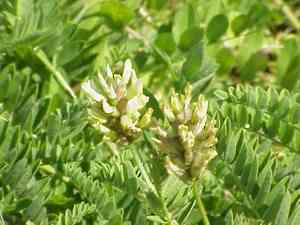
Chick-pea milk vetch is recognized for its ability to fix nitrogen, improving soil richness.
2
It fosters a varied ecosystem through the attraction of helpful insects.
3
This vegetation offers enduring ground coverage, lessening soil degradation.
What Makes Chick-pea milk vetch Distinctive?
Nitrogen-Fixing Capabilities
A key characteristic of Chick-pea milk vetch is its capacity to fix atmospheric nitrogen into the soil. This action not only enriches the ground but also lessens the demand for chemical fertilizers. Nitrogen fixation occurs via a symbiotic relationship with Rhizobium bacteria found in the plant's root nodules. Increased nitrogen levels in the soil can lead to healthier, more robust plant development, making Chick-pea milk vetch a valuable addition to any garden.
Enhanced Biodiversity
Chick-pea milk vetch draws in various beneficial insects, including pollinators such as bees and butterflies. These insects are vital for the well-being of many plants, including fruits and vegetables. Furthermore, Chick-pea milk vetch offers a habitat for ground-nesting birds and other wildlife, fostering a balanced and vibrant ecosystem.
Why Should You Consider Cultivating Chick-pea milk vetch?
Soil Erosion Prevention
With its dense foliage and deep root system, Chick-pea milk vetch excels at reducing soil erosion. The plant's roots stabilize the earth, preventing it from being washed away during heavy rainfall. This is especially advantageous for sloped areas or gardens prone to erosion. By planting Chick-pea milk vetch, you help maintain soil structure and fertility long-term.
Ground Cover Advantages
Chick-pea milk vetch functions as an effective ground cover, suppressing weeds and reducing the need for manual weeding and herbicides. Its vigorous growth pattern forms a thick mat that prevents unwanted plants from establishing. This results in a more manageable and visually appealing garden.
How Can Chick-pea milk vetch Improve Agricultural Practices?
Crop Rotation and Intercropping
Farmers and gardeners can utilize Chick-pea milk vetch in crop rotation and intercropping systems to revitalize the soil and boost crop yields. When planted in rotation with nutrient-depleting crops, Chick-pea milk vetch aids in restoring soil fertility. In intercropping systems, it can safeguard companion plants by enhancing soil health and deterring pests through habitat provision.
Organic Farming
Chick-pea milk vetch is highly valued in organic farming due to its natural ability to improve soil health without synthetic chemicals. It can be employed as a cover crop to add organic matter to the soil, which enhances soil structure, water retention, and nutrient availability. Organic farmers benefit from healthier soils and more resilient crops, thanks to Chick-pea milk vetch.
What Are the Environmental Benefits of Chick-pea milk vetch?
Carbon Sequestration
Chick-pea milk vetch contributes to carbon sequestration, helping to offset greenhouse gas emissions. Its biomass captures carbon dioxide from the atmosphere and stores it in the soil. This process not only mitigates climate change but also improves soil quality and biodiversity.
Water Conservation
Chick-pea milk vetch is drought-tolerant, requiring less water compared to many other plants. This makes it an excellent choice for water conservation efforts in gardens and landscapes. Its deep root system efficiently accesses water from deeper soil layers, ensuring the plant thrives even in arid conditions.



