How Much Sunlight Do Rusty woodsia Need?
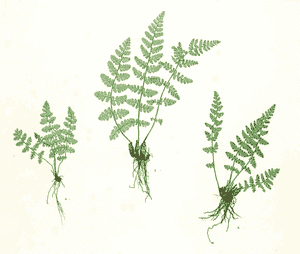
1
Rusty woodsia tolerates some shade but flourishes most in direct sunlight for peak development.
2
Insufficient light can cause stunted growth and discolored, yellowish leaves in Rusty woodsia.
3
Provide appropriate sun exposure to avoid leaf burn and scorching on your Rusty woodsia.
Optimal Illumination for Rusty woodsia
Ideal Light Levels
For Rusty woodsia to flourish, it requires full sun exposure, meaning it should receive at least 6 hours of direct sunlight daily. This light level promotes vigorous growth, healthy foliage, and enhances the plant's overall vitality.
Recommended Daily Sunlight Hours
Rusty woodsia performs best with at least 6 to 8 hours of direct sunlight each day. While it can endure partial sun, receiving only 3 to 6 hours of direct light, such conditions might not support peak health and development.
Impact of Insufficient Light on Rusty woodsia
Growth Inhibition
Inadequate sunlight can severely hinder Rusty woodsia's growth. The plant may become elongated, with stems reaching for light sources, and overall development will be slower. Sufficient light is crucial for strengthening the plant's structure and density.
Pale or Yellowing Foliage
A clear indicator of insufficient light is pale or yellowing leaves. Foliage may lose its vibrant green hue and appear dull, signaling inefficient photosynthesis. Ensuring ample light will keep its leaves lush and green.
Risks of Excessive Sunlight for Rusty woodsia
Sunburn Damage
Too much sunlight, especially intense midday rays, can cause sunburn on Rusty woodsia's leaves. Affected leaves develop brown, crispy spots, making the plant look unhealthy. Providing filtered or dappled light during peak sun hours can prevent this damage.
Leaf Scorching
Extended exposure to very strong sunlight can lead to leaf scorching, where leaves become excessively dry and brittle. It's vital to monitor sun intensity and, if needed, offer partial shade during the hottest part of the day to protect your Rusty woodsia from scorching.
Selecting the Right Location for Rusty woodsia
Indoor Placement Tips
Indoors, position your Rusty woodsia near a south-facing window to ensure ample sunlight. If direct sun is too strong, use sheer curtains to diffuse the light. Rotating the plant regularly will also help ensure uniform growth.
Outdoor Placement Tips
Outdoors, the ideal spot for Rusty woodsia is one that receives morning sun and filtered afternoon light. Placing it under a tree canopy or next to taller plants can provide the partial shade needed to avoid intense midday sun.
Supplementing Natural Light for Rusty woodsia
Using Grow Lights
If natural light is insufficient, particularly in winter, supplementing with grow lights can be beneficial. LED grow lights that mimic the full spectrum of sunlight can provide the necessary light intensity and duration for your Rusty woodsia to thrive indoors.
Balancing Artificial and Natural Light
It's crucial to balance artificial and natural light. While grow lights are helpful, ensuring your Rusty woodsia also receives some natural sunlight will promote balanced growth. Combining both sources effectively can help maintain the plant's health year-round.



