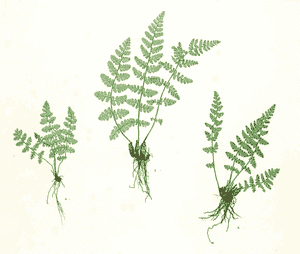
Rusty woodsia (Woodsia ilvensis)
Also known as: Rusty cliff fern
Rusty woodsia (Woodsia ilvensis) is an endangered fern species that thrives in cool, rocky habitats such as cliffs, rocky outcrops, and occasionally on the ground in forested regions. It features delicate fronds with undersides covered in rusty-brown hairs, a trait that gives the plant its name. Once highly sought after by plant collectors, its populations have significantly declined in the United Kingdom and specific areas of the United States. Conservation efforts are necessary to protect this sensitive species from further decline.
In This Article
Attributes of Rusty woodsia
Lifespan
Perennial
Plant Type
Herb
Plant Height
12 cm to 17 cm
Spread
N/A
Leaf Color
Green with rusty undertones on the underside
Flower Size
N/A
Flower Color
N/A
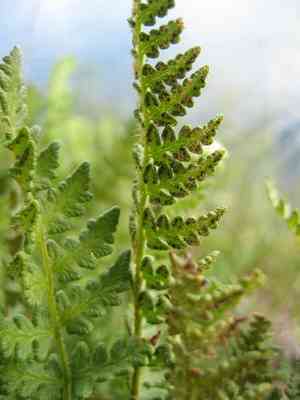
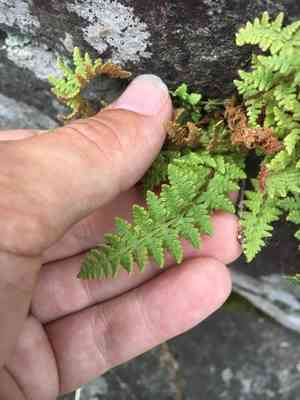
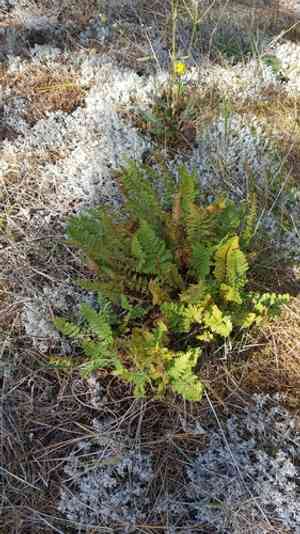
Images of Rusty woodsia
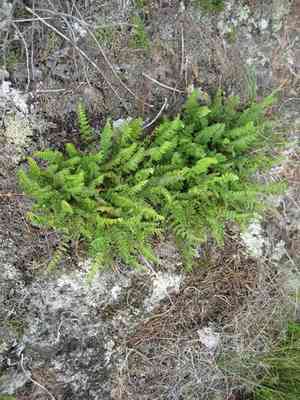
Quickly Identify Rusty woodsia
1
Woodsia ilvensis can be identified by its pinnate fronds, which are typically 10-30 cm long. The fronds have a characteristic rusty or woolly appearance due to the presence of tiny hairs and scales on the underside.
Scientific Classification of Rusty woodsia
Phylum
Vascular plants
Class
Ferns
Order
Polypodiales
Family
Cliff ferns
Genus
Cliff ferns
Species
Rusty woodsia
Planting and Growing of Rusty woodsia
Care Difficulty
Hard
Watering Schedule
Every 4 days
Sunlight Requirements
Partial sun
Sunshine Duration
6-10 hours
Ideal Temperature
60-75℉
Soil Type
Potting Mix, Peat Mix
Soil pH
5.5-7
Fertilizer Type
Balanced
Pruning Season
Spring, Summer
Pruning Area
Branches, Leaves
Pruning Frequency
2 times a year
Repotting Season
Spring
Pot Type
Ceramic, Plastic
 How to Water Rusty woodsia?
For Woodsia ilvensis, ensure the soil remains slightly damp but never soggy. Water approximately 100 ml per session, allowing the soil surface to dry out slightly between waterings. This helps emulate its natural rocky and well-drained habitats.
What are the symptoms of an underwatered Rusty woodsia?
›
What should I do if my Rusty woodsia is not getting enough water?
›
What are the symptoms of an overwatered Rusty woodsia?
›
How to save an overwatered Rusty woodsia?
›
 What Are the Sunlight Requirements for Rusty woodsia?
Partial sun is the ideal range, which ensures Woodsia ilvensis receives dappled light for optimal photosynthesis without the risk of scorching. This balance enables robust growth, maintaining health and vibrancy while reducing stress from extreme light conditions.
More About Sunlight Requirements Techniques→
How to Achieve Ideal Lighting?
›
Specific Actions to Take
›
Benefits of Ideal Lighting
›
 What Is the Ideal Temperature Range for Rusty woodsia?
For optimal growth, Woodsia ilvensis thrives within a temperature range of 60°F to 75°F. These temperatures closely mirror the natural climates where this plant is commonly found. It ensures the plant can carry out photosynthesis effectively and maintain its metabolic processes efficiently.
 What Soil is Best for Rusty woodsia?
Woodsia ilvensis thrives in soil that offers excellent drainage. Quick drainage prevents water-logging, which can lead to root rot, ensuring the plant stays healthy and robust. This fern prefers soil that is light yet full of nutrients. Sandy loam or sandy soil often meets these criteria, supporting active growth and vibrant foliage. The plant tends to favor slightly acidic conditions, right around a pH of 5.5 to 7.0. This pH level facilitates nutrient uptake, enhancing its growth and health.
 How to Fertilize Rusty woodsia?
When fertilizing Woodsia ilvensis, it's important to use a balanced, diluted fertilizer. For liquid application, mix 1/4 of the recommended strength per gallon of water. This ensures the roots are not overwhelmed and nutrients are absorbed effectively.
 How to Prune Rusty woodsia?
Begin your pruning session by identifying any dead or damaged fronds. Look for brown or withering fronds hanging loosely. These need to be cut back to the base to encourage healthier growth. For a well-rounded look, trim the outer fronds slightly more than the inner ones. This technique helps maintain a pleasing shape and prevents the plant from becoming too leggy. If your Woodsia ilvensis starts to look overcrowded, selectively remove some of the less vigorous fronds. This will provide better air circulation and allow sunlight to reach the lower parts of the plant.
More About Pruning Techniques→
 How to Propagate Rusty woodsia plant?
1
Fill seed trays with a sterile potting mix and lightly mist the surface with water. This prepares the medium to receive seeds and encourages good contact for optimal germination conditions.
2
Scatter the Woodsia ilvensis spores evenly across the surface of the potting mix. Do not cover them, as fern spores require light for germination, an uncommon trait compared to many plant seeds.
3
Place the seed tray into a humidity dome or cover it with clear plastic to maintain a humid environment, which is crucial for fern spore germination and the establishment of the gametophyte stage.
 How to Repot Rusty woodsia plant?
1
Repotting Woodsia ilvensis is recommended when its roots outgrow the pot, visible through drainage holes, or the plant shows stunted growth. The best time is during warm weather, in spring or summer, when the plant is actively growing.
2
Select a pot that is one size larger than the current one, with good drainage holes. A slightly porous material like clay helps prevent waterlogging, essential for maintaining optimal root health and preventing root rot.
3
Use a well-draining sandy soil mix, enriched with peat to mimic its natural rocky habitat. This ensures proper aeration and prevents the roots from sitting in water, promoting healthy growth.



