How to Prune Rusty woodsia?
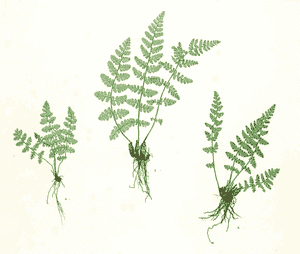
A resilient fern recognized for its unique reddish-brown tint on nascent fronds, rusty woodsia flourishes with infrequent trimming. To preserve vitality and aesthetic appeal, any deceased or ailing fronds ought to be meticulously excised, preferably at the commencement of the spring growth period. Limit pruning to no more than one-third of the plant to avert stress and safeguard the well-being of rusty woodsia. Sanitize implements prior to use to preclude the dissemination of pathogens. Trimming improves air circulation and diminishes the likelihood of illness, fostering a more vigorous specimen.
What Are the Benefits of Pruning Rusty Woodsia?
What Are the Benefits of Pruning Rusty Woodsia?
Trimming rusty woodsia promotes robust development and maintains its desired form, crucial for the plant's appearance and vitality.
What Is the Best Time for Pruning Rusty Woodsia?
What Is the Best Time for Pruning Rusty Woodsia?
Trimming rusty woodsia in spring allows for the removal of any winter damage and can help stimulate vigorous new growth as the plant emerges from dormancy. Early summer pruning is advantageous because the plant is actively growing, enabling it to recover quickly from cuts and reallocate energy to areas most in need. Additionally, summer pruning can help shape the plant and manage its size. Late fall pruning is ideal after the plant has entered dormancy, meaning it has ceased growing for the season. This timing helps prepare the plant for the next growing season by eliminating any dead or diseased fronds, reducing the likelihood of pest and disease issues over winter. However, it's crucial to avoid pruning too late in the season as cuts may not heal before cold weather sets in, risking harm to the plant. Pruning during these seasons aligns with rusty woodsia's natural growth cycle, ensuring the plant maintains its health and vigor.
What Tools Do I Need to Prune Rusty Woodsia?
Sharp scissors or garden clippers
For rusty woodsia, a plant that typically does not grow large, sharp scissors or garden clippers are adequate for removing dead or damaged fronds. These tools enable precise cuts without harming surrounding plant tissue.
Handheld pruning shear
Rusty woodsia's delicate nature necessitates tools that offer control and minimal plant damage. Handheld pruning shears are perfect as they can easily maneuver in tight spaces and are suitable for the plant's small stature.
Gloves
When handling rusty woodsia, gloves are recommended to shield the gardener's hands from the fronds' rough texture and to ensure a firm grip on pruning tools.
Disinfectant for tools
To prevent the spread of diseases among plants, using a disinfectant is vital. Clean pruning tools with a disinfectant before and after use on rusty woodsia to preserve plant health.
How to Prune Rusty Woodsia
Clean tools
Before beginning, clean and sanitize your pruning tools to prevent disease transmission. Use rubbing alcohol or a bleach solution to wipe down your shear blades.
Identify
Examine rusty woodsia for any diseased leaves, withered leaves, dead branches, and diseased branches that need removal. These are typically discolored, dry, or appear different from healthy growth.
Prune diseased leaves
Carefully remove any diseased or withered leaves by snipping them at their base where they connect to the stem. Avoid tearing or damaging healthy tissue.
Prune dead branches
Cut dead and diseased branches back to their base or to a healthy section of the branch. Make the cut at a slight angle just above a leaf bud to encourage healthy new growth.
Disposal
Dispose of all removed material appropriately to prevent any potential disease spread. Do not compost diseased plant parts.
Common Pruning Mistakes with Rusty Woodsia
Over-pruning
Removing too much foliage from rusty woodsia can weaken the plant, making it more vulnerable to pests and diseases or potentially leading to plant death.
Using dull tools
Pruning with dull or unclean tools can result in jagged cuts that are more susceptible to infection, harming rusty woodsia's well-being.
Pruning healthy ferns
A common misunderstanding is the need for frequent pruning of healthy ferns. Rusty woodsia typically doesn't require extensive trimming, and doing so can hinder its natural development.
Ignoring dead fronds
Failing to remove dead or diseased fronds can impede new growth on rusty woodsia and may heighten the risk of disease spreading.
Uninformed cuts
Random or uneducated cuts might damage rusty woodsia's rhizomes and compromise its structure.
Excessive cleanup
Removing too much leaf litter around rusty woodsia can deprive it of a natural mulch that provides nutrients and protection.
Common Pruning Tips for Rusty Woodsia
Clean tools
Always use sharp, clean pruning tools to make precise cuts and minimize the risk of infection in rusty woodsia.
Focus on dead material
Concentrate on removing dead, damaged, or diseased fronds, which will promote healthier growth and improve air circulation.
Gentle technique
Use a gentle approach when pruning rusty woodsia because its fronds are delicate and can be easily damaged.
Shape naturally
When shaping rusty woodsia, aim to maintain its inherent form, avoiding any drastic shaping or size reduction.
Watch growth pattern
Observe rusty woodsia's growth pattern to understand when fronds are deteriorated and when they’re healthy, only removing the former.
Sterilize equipment
Disinfect pruning equipment before and after use on rusty woodsia to prevent the spread of pests and diseases.



