How Much Sunlight Do Red huckleberry Need?
1
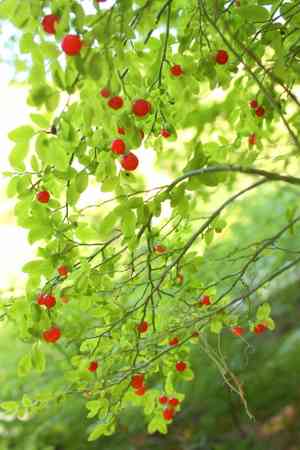
Red huckleberry flourishes optimally in partial shade, getting 3-6 hours of sun each day.
2
Too much direct sun can cause leaf burn and drying out for Red huckleberry.
3
Modifying sun exposure according to seasonal shifts promotes robust Red huckleberry development.
Optimal Light Conditions for Red Huckleberry
Partial Shade vs. Full Sun
The Red huckleberry is adaptable to various light levels. However, it thrives best in partial shade, receiving 3 to 6 hours of daily sunlight. While it can endure full sun, excessive exposure can cause stress and harm the plant.
Effects of Too Much Direct Sunlight
Overexposure to intense, direct sunlight can result in leaf scorch. This appears as browning or burned leaf edges, diminishing the plant's appearance and potentially weakening its health. Shield the Red huckleberry from the harshest midday sun, especially in summer, to prevent this.
Ideal Daily Sunlight Hours
For peak growth, aim for your Red huckleberry to receive at least 3 to 6 hours of sunlight daily. Morning sun is particularly beneficial as it's less intense than afternoon sun. This ensures sufficient light for photosynthesis without overheating or drying out.
Adjusting to Different Light Environments
Indoor Lighting Needs
When growing Red huckleberry indoors, position it near a window offering ample diffused sunlight. East-facing windows are often ideal. Alternatively, supplemental grow lights for 6 to 8 hours daily can ensure adequate light exposure.
Outdoor Placement for Best Growth
For outdoor Red huckleberry, select a location with partial shade, ideally receiving early to mid-morning sun. Areas with dappled shade from taller trees provide an excellent environment, protecting the plant from intense afternoon rays while still supplying enough light.
Seasonal Light Variations
Seasonal changes impact sunlight intensity and duration, affecting the Red huckleberry. In spring and fall, with less intense sun, the plant can tolerate more light. Conversely, during peak summer, protect it from harsh midday sun using shade cloths or by moving potted plants to a shadier spot.
Identifying Light-Related Stress in Red Huckleberry
Symptoms of Insufficient Light
A Red huckleberry lacking adequate light will exhibit leggy or elongated growth, paler leaves, and reduced flowering or fruiting. If these signs appear, move the plant to a brighter location or increase artificial light exposure.
Signs of Excessive Light Exposure
Too much light, especially direct sun, can cause leaf scorch, visible as brown or burnt leaf edges. Additionally, foliage may become dry and brittle. If these symptoms occur, relocate the plant to a shadier spot and monitor its recovery.
Modifying Sunlight Exposure for Plant Health
Balancing sunlight is crucial for your Red huckleberry's health. If light-related stress is detected, gradually adjust the plant's position. For instance, provide more shade for leaf scorch, or increase light for plants showing signs of insufficient light. Remember, gradual transitions prevent shocking the plant.
Sunlight and Watering Relationship for Red Huckleberry
Balancing Sunlight and Soil Moisture
Proper watering is vital, especially considering the plant's light exposure. More sunlight typically means increased water needs, while plants in shadier spots require less frequent watering. Keep soil consistently moist but not waterlogged, and use mulch to retain moisture.
Impact of Sunlight on Watering Frequency
Sunlight directly influences soil moisture levels. Plants in full sun will lose water faster, requiring more frequent irrigation. Ensure your Red huckleberry gets enough water, particularly during sunny periods, but avoid overwatering to prevent root rot.
Preventing Sunlight-Induced Dehydration
To prevent dehydration in strong sunlight, water the plant early morning or late evening. This timing allows water absorption before immediate evaporation due to heat. Also, consider using shade covers during the hottest parts of the day to reduce dehydration risk.



