How to Propagate Red huckleberry?
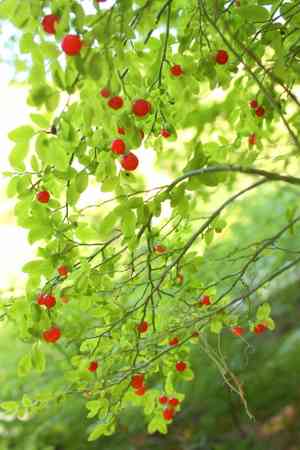
Red huckleberry is most effectively multiplied via cutting and layering techniques, with fall and winter representing the prime periods for this process. While propagation can present a moderate degree of difficulty, indicators of success encompass the emergence of fresh leaves and root development. Adequate humidity and warmth are crucial for achieving the best outcomes.
Optimal Period for Red Huckleberry Propagation
Propagation Method
Cutting
Propagation Period
Autumn,Winter
Tools for Red Huckleberry Propagation
Sharp pruning shears
A precise cutting tool that ensures clean, minimal-damage cuts on red huckleberry stems, vital for cuttings to encourage better rooting and prevent disease.
Rooting hormone
A chemical compound that encourages root development in red huckleberry cuttings, boosting the likelihood of successful plant establishment.
Misting bottle
Offers a gentle method to maintain humidity around red huckleberry cuttings, crucial for preventing drying out until new roots can absorb water.
Sterile potting mix
A soil-free medium that provides a sanitized environment for red huckleberry cuttings to root, reducing the risk of soil-borne diseases.
Propagation tray with dome
Creates a stable and regulated environment for red huckleberry cuttings, maintaining adequate humidity and temperature to improve rooting.
Heating mat
Supplies consistent warmth to the base of the propagation tray, encouraging root growth in red huckleberry in cooler climates.
Labels and marker
Used for identifying and documenting information about red huckleberry cuttings to track progress and maintain order.
Post-Propagation Care for Red Huckleberry
How to Care for Your Newly Propagated Red Huckleberry?
Once red huckleberry has successfully rooted and established, gradually introduce it to less humid conditions by removing the plastic cover. Ensure red huckleberry is placed in a location with partial shade and continue to keep the soil moist. When the plant shows new growth, begin a regular feeding schedule with a balanced, slow-release fertilizer and monitor for common red huckleberry pests or diseases. As red huckleberry matures, remember its preference for acidic soil and the benefits of mulch for moisture retention and root protection.
Common Errors to Avoid When Propagating Red Huckleberry
Overwatering
Excessive watering can lead to root rot and fungal issues, as red huckleberry prefers well-draining soil and moderate moisture.
Deep planting
Planting red huckleberry's cuttings or seeds too deeply may hinder sprouting due to insufficient light and potential decay.
Overcrowding
Too many plants in one area can impede growth because red huckleberry needs ample space for air circulation to prevent fungal infections and promote healthy development.
Neglecting acidity
Ignoring the soil pH requirements, as red huckleberry thrives in acidic soils, and planting in neutral or alkaline soils can result in nutrient deficiencies and poor plant health.
Ignoring cleanliness
Using unsterilized tools or pots can introduce pathogens, harming the delicate cuttings or seeds of red huckleberry.
Advice for Propagating Red Huckleberry
Softwood cuttings
Utilizing softwood cuttings in spring or early summer promotes better root development for red huckleberry, as the plant's energy is directed towards growth.
Acidic soil preparation
Preparing a planting mix with a low pH is crucial for red huckleberry, as it prefers acidic conditions for effective nutrient absorption.
Controlled watering
Maintaining consistent, moderate moisture levels without waterlogging ensures healthy root growth for red huckleberry.
Gentle handling
Carefully handling the delicate roots and stems of red huckleberry to prevent damage can increase the chances of successful propagation.
Providing shade
Offering indirect light or partial shade mimics red huckleberry's natural understory environment, reducing stress on newly propagated plants.



