Enhancing Your Garden Design with the Red huckleberry Plant: A Landscaping Guide
1
Red huckleberry flourishes in acidic, well-draining soil conditions.
2
For best development, Red huckleberry requires a location with partial shade to full sun exposure.
3
Periodic trimming throughout the year supports the form and vitality of Red huckleberry.
Understanding the Growth Patterns of Red Huckleberry
Exploring Its Dimensions and Form
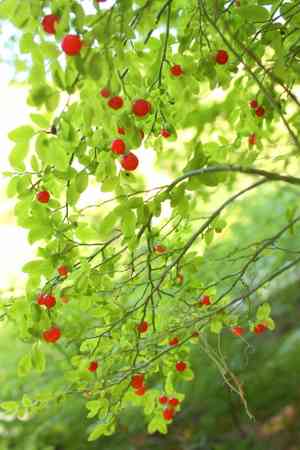
When planning to integrate Red huckleberry into your outdoor space, it's crucial to grasp its growth characteristics regarding size and structure. Typically, Red huckleberry can reach a height of 3-12 feet, depending on environmental factors. It presents as a deciduous shrub with multiple stems, forming a naturally open and airy shape. This makes it a versatile addition, whether as a standalone feature or as part of a mixed shrub border.
Seasonal Transformations and Their Influence on Red Huckleberry
Red huckleberry undergoes distinct seasonal changes that affect its appearance and care requirements. During spring and summer, it produces delicate, bell-shaped blossoms that eventually yield vibrant red berries, attracting birds and wildlife. In autumn, the foliage develops a reddish tint before dropping, marking an ideal time for pruning and preparing the plant for winter dormancy.
Light Exposure Preferences
Red huckleberry favors partial shade but can also flourish in full sun conditions. When situated beneath taller trees or in partly shaded garden areas, it benefits from protection against intense, direct sunlight, enhancing its development and berry yield. Ensuring an optimal light balance will sustain its health and visual appeal.
Selecting the Optimal Site for Red Huckleberry in Your Garden
Assessing Soil Composition and Drainage
Choosing an ideal spot for Red huckleberry begins with evaluating the soil type and its drainage capability. This shrub thrives in acidic soils rich in organic matter, with excellent drainage to prevent root rot. Perform a soil test to determine pH levels and amend the soil with compost or peat moss to meet the necessary conditions.
Proximity to Other Flora and Structures
Consider Red huckleberry's closeness to other plants and garden features to encourage optimal growth. It serves as an excellent understory plant, flourishing beneath taller trees. Avoid planting it too near aggressive species that might compete for nutrients. Strategic placement of Red huckleberry will foster a harmonious garden layout and ensure its healthy progression.
Designing with Red Huckleberry: Aesthetic Considerations
Color Harmony with Existing Landscape Elements
Incorporate Red huckleberry into your landscape by aligning its vibrant red berries and seasonally changing foliage with existing garden components. It pairs well with contrasting hues, such as the deep greens of evergreens or the soft tones of flowering perennials. This coordination enhances the visual appeal and thematic consistency of your garden design.
Establishing Focal Points and Accents
Red huckleberry can function as a striking focal point or accent in various garden settings. Plant it alongside paths or in garden beds where its seasonal attributes, like flowers and berries, can be admired up close. Its multi-stemmed, airy form also adds texture and depth when utilized as a visual anchor in landscape designs.
Balancing Height and Texture in Plant Groupings
Achieve a balanced planting arrangement by considering Red huckleberry's height and texture in relation to adjacent plants. Its medium stature and fine-textured leaves offer a soft backdrop to coarser, bold-textured plants. Combine it with both lower-growing ground covers and taller shrubs to create a dynamic and engaging multi-layered landscape scene.
Care Guidelines for Red Huckleberry in Landscaping
Seasonal Pruning and Maintenance Routines
Regular pruning of Red huckleberry is crucial to maintain its form, promote vigorous growth, and improve berry production. Conduct pruning sessions during late winter or early spring before new growth appears. Remove any dead or diseased branches, thinning out crowded areas to encourage air circulation and sunlight penetration.
Managing Pests and Diseases in Red Huckleberry
While Red huckleberry is relatively hardy, it can be susceptible to certain pests and diseases. Monitoring for common issues like aphids, scale, and fungal infections will allow for prompt intervention. Employ organic pest control methods, such as neem oil or horticultural soaps, and ensure good garden hygiene by clearing fallen leaves and debris.



