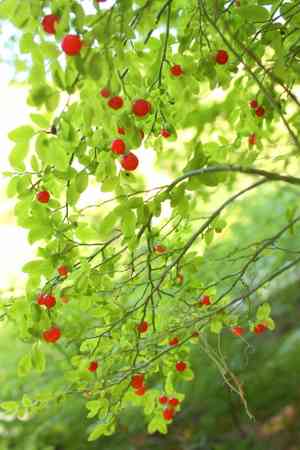
Red huckleberry (Vaccinium parvifolium)
Also known as: Red bilberry
Vaccinium parvifolium, known as red huckleberry, is a deciduous shrub that typically grows on decaying tree stumps in forests. Birds and various animals are drawn to its seeds, leaves, and twigs.
In This Article
Attributes of Red huckleberry
Lifespan
Perennial
Plant Type
Shrub
Plant Height
91 cm to 3.5 m
Spread
2 m
Leaf Color
Green Blue
Flower Size
2.5 cm
Flower Color
Pink White Green
Images of Red huckleberry
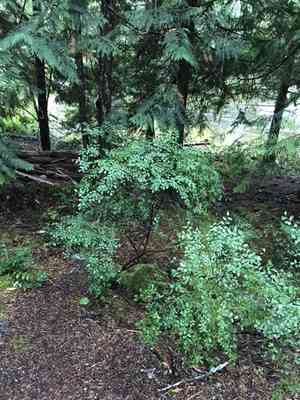
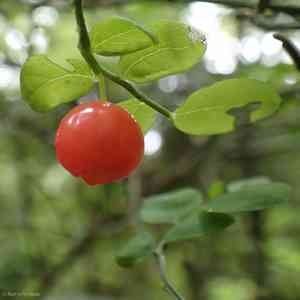
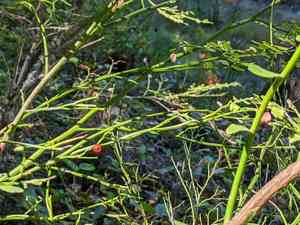
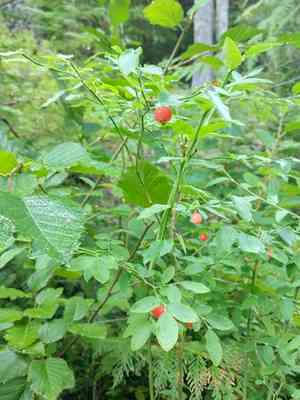
Quickly Identify Red huckleberry
1
The plant can be identified by its small, ovate leaves that are pale green in color. It has a zigzag arrangement of branches and produces bright red berries that are edible. In the spring, look for its small, greenish bell-shaped flowers.
Scientific Classification of Red huckleberry
Phylum
Vascular plants
Class
Dicotyledons
Order
Ericales
Family
Heath
Genus
Blueberries
Species
Red huckleberry
Planting and Growing of Red huckleberry
Care Difficulty
Easy
Watering Schedule
Every 8 days
Sunlight Requirements
Full shade
Sunshine Duration
6-10 hours
Ideal Temperature
60-75℉
Soil Type
Potting Mix, Peat Mix
Soil pH
4.5-6
Fertilizer Type
Balanced
Pruning Season
Spring, Summer
Pruning Area
Branches, Leaves
Pruning Frequency
2 times a year
Repotting Season
Spring
Pot Type
Plastic, Terracotta
 How to Water Red huckleberry?
For Vaccinium parvifolium, aim to keep the soil consistently moist but not waterlogged. This means watering with about 200 ml each time until you see water slightly draining from the bottom. Ensure the soil is damp down to 2-3 inches by checking with your finger.
What are the symptoms of an underwatered Red huckleberry?
›
What should I do if my Red huckleberry is not getting enough water?
›
What are the symptoms of an overwatered Red huckleberry?
›
How to save an overwatered Red huckleberry?
›
 What Are the Sunlight Requirements for Red huckleberry?
Partial sun to full shade is ideal for Vaccinium parvifolium, promoting healthy foliage growth and optimal fruit production with minimal stress.
More About Sunlight Requirements Techniques→
What is the optimal light for Vaccinium parvifolium?
›
What are the best locations for this plant?
›
How to adjust light conditions for Vaccinium parvifolium?
›
 What Is the Ideal Temperature Range for Red huckleberry?
The ideal temperature for Vaccinium parvifolium is between 60°F and 75°F. This range provides optimal conditions for growth and photosynthesis, ensuring the plant thrives with minimal stress. Maintaining these temperatures helps in proper nutrient uptake and overall health.
 What Soil is Best for Red huckleberry?
Vaccinium parvifolium thrives in nutrient-rich soil because it provides essential vitamins and minerals necessary for robust growth. This enhances berry production, ensuring a bountiful harvest. This plant requires soil with excellent drainage to prevent root rot. The airy soil structure promotes healthy root development and minimizes waterlogging risk. While drainage is crucial, maintaining adequate moisture levels is vital. Soil that retains moisture ensures the plant remains hydrated, promoting continuous growth and berry fruiting.
 How to Fertilize Red huckleberry?
Vaccinium parvifolium, also known as red huckleberry, requires moderate fertilization. For liquid fertilizers, mix a balanced formula such as 10-10-10 at half strength, about 1 tablespoon per gallon of water. For slow-release granular types, apply according to the package instructions, usually around 2 ounces per plant. This ensures the plant gets the necessary nutrients without overwhelming its root system.
 How to Prune Red huckleberry?
Before you begin, examine your Vaccinium parvifolium, noting its branches and overall structure. This deciduous shrub typically reaches 3-6 feet tall. Identifying older, less productive branches and deadwood will guide your pruning. Aim to create an open center for better air circulation and berry accessibility. Gather the right tools for pruning, including sharp pruning shears for small branches and loppers for thicker stems. Sterilize your tools with a solution of water and alcohol to prevent disease transmission. Ensure your tools are well-maintained to make clean cuts that heal quickly, reducing stress on the plant. Begin by removing dead or diseased wood to prevent the spread of pathogens. Trim away branches that cross over others or grow inward, which can create congestion and reduce light penetration. Focus on shaping the plant by cutting back overly long or wayward branches to encourage more fruitful growth next season.
More About Pruning Techniques→
 How to Propagate Red huckleberry plant?
1
To ensure a successful germination, soak the seeds of Vaccinium parvifolium in lukewarm water for 24 hours before planting. This will help to soften the seed coat and improve water absorption, which is essential for initiating the germination process.
2
Select healthy, non-flowering shoots from established plants. Cut about 4-6 inches using a sterilized knife or shears. Remove leaves from the lower third to prevent rot and dip the cut end into rooting hormone before planting into a suitable growth medium.
3
Plant the hormone-treated cuttings into a mix of peat and perlite to ensure good drainage. Insert the cuttings approximately 1-2 inches deep in the soil. It's crucial to firm the soil gently around each cutting to hold them upright and remove air pockets.
 How to Repot Red huckleberry plant?
1
Repot Vaccinium parvifolium when you observe its roots growing out of drainage holes, the plant becoming top-heavy, or there is a noticeable decline in growth. Early signs of nutrient depletion in the soil or reduced moisture retention can also indicate it's time to give your plant a new home. The best time to repot is during its growing seasons, spring or autumn, when the plant is less likely to go into shock.
2
Choose a pot that is 1-2 sizes larger than the current one to allow for growth but not too large to avoid waterlogging issues. A pot with drainage holes is essential to prevent root rot. Opting for a clay pot can help with air circulation around the roots, but ensure it has a glaze to maintain moisture for an acid-loving plant like Vaccinium parvifolium.
3
Select an acidic, well-draining soil mix to best mimic Vaccinium parvifolium’s natural habitat. Use a mix that includes peat moss, pine bark, and sand to offer good aeration and moisture retention. This type of soil helps maintain the acidity level your plant thrives in and prevents water from stagnating and causing root rot.



