How Much Sunlight Do Eastern purple bladderwort Need?
1
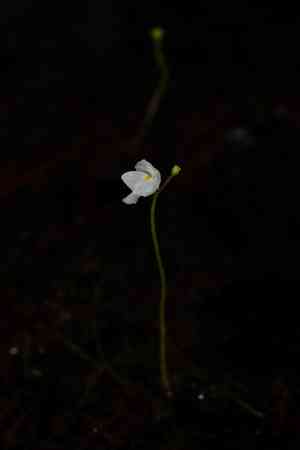
Utricularia purpurea flourishes optimally with more than six hours of direct sun each day.
2
Insufficient light can impede the plant's capacity to produce blooms.
3
Regularly observing light levels can aid in avoiding excessive or inadequate exposure.
Optimal Sunlight for Eastern purple bladderwort
Full vs. Partial Sun Exposure
For the vibrant Eastern purple bladderwort, light exposure is critical. Full sun means 6-8 hours of direct light, while partial sun is 3-6 hours. For the most vigorous development, Eastern purple bladderwort thrives in full sunlight. This ensures ample energy for photosynthesis, leading to lush foliage and abundant blooms.
Direct vs. Diffused Sunlight
Understanding direct versus indirect sunlight helps create the ideal environment for your Eastern purple bladderwort. Direct sunlight hits the plant unimpeded, whereas indirect light is filtered, such as through a window or other plants. Eastern purple bladderwort flourishes in direct sunlight, which emulates its natural habitat.
Daily Sunlight Requirements for Eastern purple bladderwort
Ideal Daily Light Duration
For peak growth, the Eastern purple bladderwort needs over 6 hours of sunlight daily. This high light demand enables efficient photosynthesis, promoting robust growth and vivid flowers. Positioning the plant where it receives abundant sunlight will ensure its prosperity.
Seasonal Light Adjustments
Seasonal shifts impact light intensity and duration. Summer offers stronger, longer daylight, providing ample illumination. In winter, however, days shorten, and sunlight is less intense. It's crucial to observe the plant and adjust, perhaps by moving it to a brighter spot or using supplemental lights during shorter winter days, to ensure it continues to get sufficient light.
Signs of Too Much or Too Little Sunlight for Eastern purple bladderwort
Symptoms of Excessive Exposure
While Eastern purple bladderwort enjoys ample sunlight, too much can be detrimental. Signs of overexposure include wilting, yellowing leaves, and scorched spots. If these appear, providing some shade during peak sun hours, especially in very sunny climates, may be necessary.
Symptoms of Insufficient Exposure
Conversely, inadequate sunlight can hinder the plant's development. A lack of sufficient light can lead to pale or yellowing foliage, elongated stems, and poor blooming. If these symptoms arise, relocate your Eastern purple bladderwort to a brighter spot where it receives more direct sunlight.
Proper Placement for Eastern purple bladderwort to Maximize Sunlight
Selecting the Best Location
Correctly positioning your Eastern purple bladderwort is vital for its health. Place the plant where it gets full, direct sunlight for most of the day. A south-facing window or an open garden area offers excellent light conditions. If grown indoors, ensure no curtains or objects block the light.
Using Supplemental Lighting When Needed
When natural sunlight is insufficient, particularly in winter or low-light areas, artificial grow lights are an excellent solution. Use full-spectrum LED or fluorescent grow lights to augment natural sunlight. Position lights about 12-18 inches (30-45 cm) above the plant and keep them on for 12-16 hours daily to simulate natural daylight.



