How to Prune Eastern purple bladderwort?
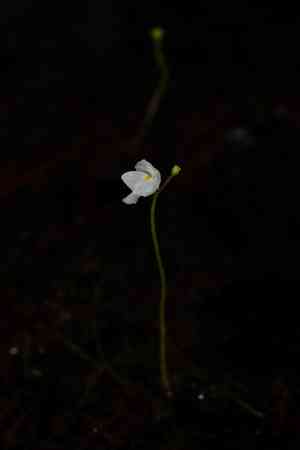
For Utricularia purpurea, a carnivorous aquatic plant, trimming is unconventional. Eliminate aged or deteriorating matter, focusing this upkeep mainly from spring through autumn. Gently snip off aging foliage and traps, which can enhance the plant's well-being and robustness. Trimming should strive to avert excessive growth and sustain water circulation for effective trap operation and nutrient absorption. Typically, no implements are needed since the fragile components can frequently be handled manually.
What Are the Benefits of Pruning Eastern Purple Bladderwort?
What Are the Benefits of Pruning Eastern Purple Bladderwort?
Trimming eastern purple bladderwort encourages robust development and helps maintain its desired form. Regular cutting ensures healthy progress and can enhance its unique carnivorous traits, effectively managing size and eliminating any dead or decaying material.
What Is the Best Time for Pruning Eastern Purple Bladderwort?
What Is the Best Time for Pruning Eastern Purple Bladderwort?
Pruning eastern purple bladderwort in spring is advantageous as it's a period of active growth, allowing the plant to quickly recover from trimming stress and benefit from increasing daylight for photosynthesis. Early summer pruning aligns with post-flowering care, removing spent blooms and promoting a second growth phase for stronger health. Fall pruning, if done carefully, can help remove dead or dying plant material before winter dormancy, but should not be extensive to avoid stressing the plant before colder weather. These specific times ensure eastern purple bladderwort maintains its vigor and has the best chance to thrive in its natural growth cycle.
What Tools Do I Need to Prune Eastern Purple Bladderwort?
Fine Scissors or Snips
Given the delicate nature of eastern purple bladderwort, very fine scissors or small snips are perfect for precisely cutting or removing specific plant parts without harming the rest of the structure. The fine tips allow for accurate work within the dense foliage.
Tweezers
Tweezers can be used carefully to remove dead or dying material from eastern purple bladderwort without disturbing the rest of the plant, which is especially useful due to the small size and fragile aquatic habitat of eastern purple bladderwort.
Aquatic Plant Shears
If eastern purple bladderwort is grown in an aquatic environment, long-handle aquatic plant shears will be necessary to reach into the water without disrupting the plantâs surroundings. These specialized shears enable careful pruning of eastern purple bladderwort within an aquarium or pond. Be sure to select a pair with a sharp and fine cutting edge to ensure clean cuts.
How to Prune Eastern Purple Bladderwort
Identify affected parts
Examine eastern purple bladderwort for any diseased leaves, withered foliage, dead branches, or unhealthy stems requiring removal.
Sterilize tools
Sanitize pruning instruments before beginning to prevent the spread of any pathogens to healthy sections of eastern purple bladderwort.
Prune diseased and dead
Carefully remove diseased and dead material from eastern purple bladderwort, ensuring cuts are made close to the base without damaging healthy tissue.
Dispose material
Discard the removed diseased and dead material away from eastern purple bladderwort to prevent reinfection or decay spreading.
Monitor plant
After pruning, observe eastern purple bladderwort to ensure it recovers well and shows no further signs of distress or disease.
Common Pruning Mistakes with Eastern Purple Bladderwort
Overpruning
Cutting back too much of eastern purple bladderwort's foliage can weaken the plant. It is a mistake to remove large portions of the plant in one pruning session, as this can stress or even kill it.
Pruning healthy bladders
Removing healthy bladders (trap structures) during pruning is a common error. This not only reduces eastern purple bladderwort's ability to feed but also inhibits its growth and flowering.
Not using sterile tools
Neglecting to use sterilized pruning tools can introduce pathogens to eastern purple bladderwort, leading to infections or diseases.
Imprecise cutting
Making jagged or torn cuts on eastern purple bladderwort can create entry points for disease and may hinder healing. Clean, sharp cuts are necessary for the plant's health.
Ignoring plant phase
Pruning eastern purple bladderwort without considering its growth or dormancy phases can be detrimental, disturbing its natural life cycle and potentially reducing its vitality and bloom.
Common Pruning Tips for Eastern Purple Bladderwort
Selective pruning
Carefully trim dead or yellowing leaves and stems to redirect eastern purple bladderwort's energy towards healthier growths. This selective approach encourages more vigorous growth and blooming.
Sterilization of tools
Always use sterilized cutting tools when pruning eastern purple bladderwort to prevent the spread of disease. Wipe the blades with alcohol or a bleach solution before and after use.
Consistent maintenance
Regularly inspect eastern purple bladderwort and remove dead or decaying matter to maintain plant health and appearance. Small, consistent maintenance is better than infrequent, heavy pruning.
Prune for shape
Eastern purple bladderwort can be pruned to maintain a specific shape or to fit within a designated space. However, always be mindful not to remove too much growth at once.
Clean cuts
Make clean, precise cuts when pruning eastern purple bladderwort, which helps the plant heal faster and reduces the risk of disease entry.



