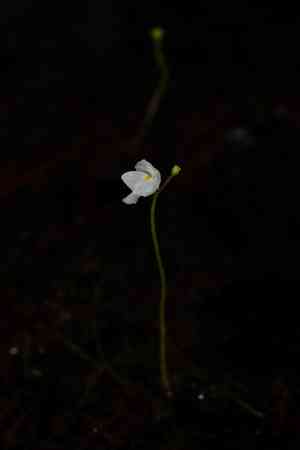
Eastern purple bladderwort (Utricularia purpurea)
Also known as: Purple bladderwort
The Eastern purple bladderwort (Utricularia purpurea) is a free-floating aquatic plant commonly found across North and Central America. Known for its carnivorous nature, it captures and digests small prey, including mosquito larvae. Recent studies, however, are providing new insights into its feeding behaviors.
In This Article
Attributes of Eastern purple bladderwort
Lifespan
Perennial, Annual
Plant Type
Herb
Plant Height
2.5 cm to 15 cm
Spread
8 cm to 20 cm
Leaf Color
Green
Flower Size
1.3 cm
Flower Color
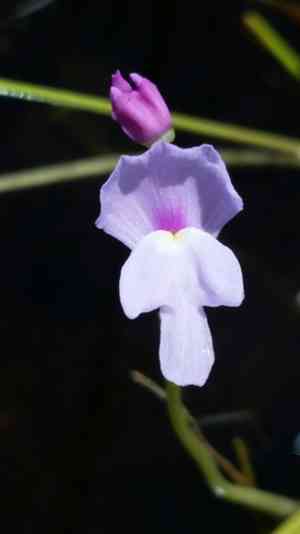
Pink Purple
Images of Eastern purple bladderwort
Quickly Identify Eastern purple bladderwort
1
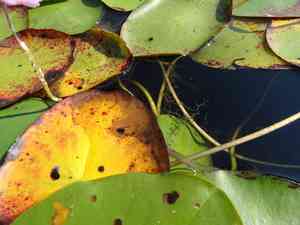
Yellow-green foliage with finely divided floating leaves.
2
Small bladder-like traps for capturing tiny aquatic organisms.
3
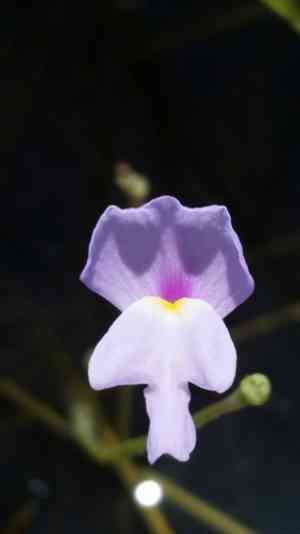
Bright purple snapdragon-like flowers with tubular structure.
4
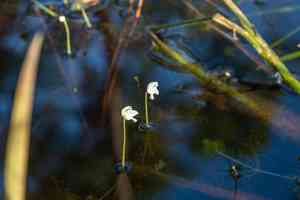
Delicate, slender upright stalk reaching 4-10 inches (10-25 cm) above water.
5
Green submerged stem growing up to 3 feet (90 cm) long.
Scientific Classification of Eastern purple bladderwort
Phylum
Vascular plants
Class
Dicotyledons
Order
Lamiales
Family
Bladderworts
Genus
Bladderworts
Species
Eastern purple bladderwort
Planting and Growing of Eastern purple bladderwort
Care Difficulty
Hard
Watering Schedule
Every 3 days
Sunlight Requirements
Partial sun
Sunshine Duration
6-10 hours
Ideal Temperature
68-77℉
Soil Type
Potting Mix, Peat Mix
Soil pH
4.5-6
Fertilizer Type
Balanced
Pruning Season
Spring, Summer
Pruning Area
Branches, Leaves
Pruning Frequency
2 times a year
Repotting Season
Spring
Pot Type
Plastic, Terracotta
 How to Water Eastern purple bladderwort?
Utricularia purpurea thrives in consistently moist conditions, akin to its natural wetland habitat. The key is to keep the soil consistently damp but not flooded. Aim for about 200 ml of water each session, ensuring saturation without oversaturation. This amount helps mimic its native aquatic surroundings, providing the roots ample moisture while avoiding suffocation.
What are the symptoms of an underwatered Eastern purple bladderwort?
›
What should I do if my Eastern purple bladderwort is not getting enough water?
›
What are the symptoms of an overwatered Eastern purple bladderwort?
›
How to save an overwatered Eastern purple bladderwort?
›
 What Are the Sunlight Requirements for Eastern purple bladderwort?
Partial sun and full shade conditions maximize Utricularia purpurea's growth and vitality. Ideal lighting supports robust foliage, efficient trapping mechanisms, and vibrant color retention, enhancing the plant's aesthetic appeal and ecological role.
More About Sunlight Requirements Techniques→
Optimal Lighting Location
›
Artificial Lighting Solutions
›
Outdoor Planting Considerations
›
 What Is the Ideal Temperature Range for Eastern purple bladderwort?
Utricularia purpurea thrives best in temperatures ranging from 68°F to 77°F. This range ensures optimal metabolic processes and propagation, fostering healthy and vibrant development of the plant.
 What Soil is Best for Eastern purple bladderwort?
Utricularia purpurea thrives in soils that offer excellent moisture retention, as it mimics its native bog habitats. This is beneficial because consistent moisture contributes to the plant's health and ensures that its delicate traps remain functional. A nutrient-poor environment is optimal for Utricularia purpurea, as it allows the plant to rely on its carnivorous nature for nutrients. This reduces competition from other plants and encourages the growth of its unique traps. The soil should be well-aerated to allow for proper root development and avoid waterlogging. Good aeration also facilitates gas exchange crucial for the root system's health.
 How to Fertilize Eastern purple bladderwort?
For Utricularia purpurea, it’s crucial to use a diluted fertilizer solution to avoid nutrient burn. Usage of a weak liquid fertilizer at a concentration of one-quarter the normal strength is recommended. This dilution ensures that the plant gets the necessary nutrients without overwhelming its delicate system.
 How to Prune Eastern purple bladderwort?
The Utricularia purpurea is a delicate plant. Handle it gently to avoid bruising or breaking the stems unintentionally. Be mindful of its small size and fragile structure. Post-pruning, it's essential to monitor the moisture levels of the growing medium as the removal of plant material can sometimes dry out the immediate environment faster than expected. It's crucial not to overdo it. Removing too much of the plant can weaken it and impede its ability to photosynthesize effectively. Aim to retain at least two-thirds of its original structure.
More About Pruning Techniques→
 How to Propagate Eastern purple bladderwort plant?
1
Fill the seed tray with the peat-based substrate, ensuring it is moist but not soggy. Ensure the pH level is suitable for Utricularia purpurea. A slightly acidic pH works best for this species.
2
Sprinkle the Utricularia purpurea seeds thinly over the surface of the prepared substrate. Do not cover the seeds, as they require light to germinate. Ensure even distribution to avoid overcrowding.
3
Place the seed tray in a warm, well-lit area out of direct sunlight. Maintain a consistently high level of humidity and temperature to facilitate germination. Use a transparent cover to retain moisture if necessary.
 How to Repot Eastern purple bladderwort plant?
1
The best time to repot Utricularia purpurea is when you notice crowded growth or stagnation in its development. This usually implies that the pot is becoming too small for its expanding root system. Additionally, if the water conditions in the current setup degrade or algae starts to dominate, it's a clear signal that repotting is necessary. These indicators ensure the plant gets fresh nutrients and an optimal growing environment.
2
For Utricularia purpurea, an ideal pot choice is a shallow, wide container. This design mimics its natural environment and allows enough space for the plant's spread-out growth habit. Ensure the pot has no drainage holes to hold water effectively, as these are aquatic plants. A clear pot can be beneficial for monitoring root growth and water quality, ensuring your plant thrives aesthetically and healthily.
3
Using an aquatic plant medium is crucial for Utricularia purpurea. This medium should be nutrient-poor to replicate the plant's native conditions. Avoid traditional potting soil as it can overload the plant with nutrients, hindering its carnivorous behavior and growth. The right medium not only supports the plant structurally but also facilitates optimal water conditions, promoting healthy trap development and function.



