The Eastern purple bladderwort Plant Advantage: Maximizing Home and Office Appeal and Wellness
1
Utricularia purpurea serves as an efficient biological method for managing mosquito numbers.
2
Utricularia purpurea offers shelter and sustenance to diverse aquatic life forms.
3
Utricularia purpurea enhances water purity through the removal of nutrients and contaminants.
What is Eastern purple bladderwort and Where Can It Be Found?
Habitat and Distribution
Eastern purple bladderwort is typically found in North American freshwater environments. These plants flourish in slow-moving or still bodies of water like ponds, marshes, and lakes, preferring acidic to neutral conditions. Their broad distribution across various aquatic settings demonstrates their adaptability and resilience.
Physical Characteristics
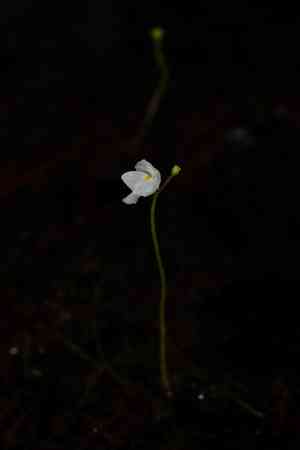
Eastern purple bladderwort is recognized by its complex root system and distinct purple blooms. The plant's small, bladder-like structures are both unique and functional, aiding its survival and ecological role. These attributes make Eastern purple bladderwort visually appealing and biologically significant.
How Does Eastern purple bladderwort Benefit Aquatic Ecosystems?
Natural Mosquito Control
One of the most significant advantages of Eastern purple bladderwort is its natural ability to manage mosquito populations. The plant captures and digests mosquito larvae using its bladder structures, reducing mosquito numbers and lessening the need for chemical insecticides. This ecological service is invaluable in areas prone to mosquito-borne illnesses.
Support for Aquatic Life
Eastern purple bladderwort offers essential habitat and sustenance for various aquatic organisms. Small fish, insects, and larvae find shelter among its roots and utilize the plant as a breeding ground. By supporting diverse aquatic life, Eastern purple bladderwort contributes to the overall health and stability of its ecosystem.
What Role Does Eastern purple bladderwort Play in Water Quality?
Nutrient Filtration and Pollution Reduction
Eastern purple bladderwort plays a vital role in maintaining water quality by filtering nutrients and pollutants from the water. Its unique structure allows it to absorb excess nutrients like nitrogen and phosphorus, which can otherwise lead to algal blooms and degrade water quality. This natural filtration process helps keep aquatic environments clear and healthy.
Preventing Eutrophication
By managing surplus nutrients, Eastern purple bladderwort helps prevent eutrophicationâa process resulting from nutrient overload that can cause oxygen depletion and the demise of aquatic life. Through its nutrient absorption capabilities, Eastern purple bladderwort acts as a preventative measure against this destructive phenomenon, ensuring the sustainability of aquatic habitats.
How Can Eastern purple bladderwort Be Utilized in Water Gardens and Aquariums?
Aquascaping Benefits
Eastern purple bladderwort is an excellent choice for aquascaping in home water gardens and aquariums. Its aesthetic appeal, combined with its ecological advantages, makes it a favorite among enthusiasts. The plant's intricate root structures add depth and complexity to aquascapes, while its purple flowers provide vibrant splashes of color.
Maintenance and Care
Caring for Eastern purple bladderwort in an artificial setting requires attention to water quality and conditions. Ensuring appropriate lighting, pH levels, and nutrient availability will help the plant flourish. Regular monitoring and upkeep are crucial for preserving its health and the benefits it brings to the water garden or aquarium.



