How Much Sunlight Do Rose clover Need?
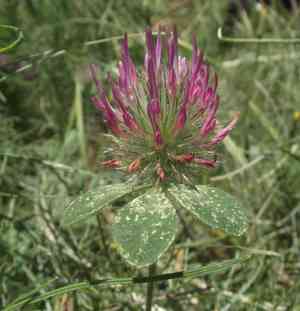
1
Rose clover flourishes with ample sunlight, needing a minimum of 6-8 hours of direct sun each day.
2
Although Rose clover can endure some shade, it achieves optimal growth in full sun environments.
3
Observe your Rose clover for indications of insufficient light, like stretched stems or faded foliage.
Optimal Light Conditions for Rose clover
Full Sun Requirements
For peak development, Rose clover thrives with ample sun exposure. This means positioning it where it gets a minimum of 6 to 8 hours of direct sunlight daily. Full sun promotes robust, healthy foliage and vibrant blossoms. Without enough light, the plant may become elongated and produce fewer flowers.
Partial Shade Tolerance
While Rose clover prefers full sun, it can endure partial shade. Partial shade refers to spots receiving 3 to 6 hours of direct sunlight, with some filtered or dappled light for the rest of the day. Though the plant will still grow, you might observe less flowering and overall vigor compared to full sun conditions.
Seasonal Light Needs of Rose clover
Spring and Summer Light
Rose clover demands significant sunlight during its active growth periods in spring and summer. Throughout these months, it's vital your plant receives at least 6 to 8 hours of direct sunlight. This is when Rose clover develops its leaves and prepares to bloom, making light crucial for strong growth and flower production.
Fall and Winter Adjustments
As days shorten in autumn and winter, Rose clover will naturally get less light. However, ensuring it still receives as much sunlight as possible during these periods helps maintain its health. If you bring your plant indoors for winter, placing it near a south-facing window can maximize light. For outdoor plants, consider reflective materials to boost available sunlight.
Impacts of Insufficient Light on Rose clover
Symptoms of Too Little Light
When Rose clover doesn't get enough light, it displays several clear signs. Common indicators include pale or yellowing leaves, leggy or stretched growth, and reduced blooming. Leaves might also appear droopy due to inadequate energy production. If these symptoms appear, consider moving your plant to a brighter location.
Signs of Excessive Light
While Rose clover flourishes in full sun, extreme heat or too much direct light can sometimes cause stress. Symptoms of excessive light or heat stress include scorched or burned leaf edges and wilting during the hottest parts of the day. Providing some afternoon shade or ensuring sufficient watering can help alleviate these effects.
Tips for Maximizing Light Exposure for Rose clover
Choosing the Right Spot
Selecting the perfect spot for your Rose clover is essential for optimizing light exposure. Choose an area with unobstructed sunlight, such as an open garden bed or a south-facing windowsill for indoor plants. Avoid locations with dense shade from taller plants or structures.
Utilizing Light Enhancements
To boost light exposure, you can employ various aids. For instance, reflective surfaces like mirrors or white walls can help intensify light around your Rose clover. Grow lights are another excellent option, especially during winter months or in areas where natural light is insufficient. Ensure the light is full-spectrum to closely mimic natural sunlight.



