Enhancing Your Garden Design with the Rose clover Plant: A Landscaping Guide
1
Rose clover is versatile and flourishes in diverse soil conditions, making it suitable for various garden environments.
2
Adding Rose clover to your garden can greatly enhance soil quality because of its ability to fix nitrogen.
3
Rose clover needs little care after it's rooted, making it perfect for gardens that require minimal upkeep.
Introducing Rose Clover to Your Landscape
Appreciating Rose Clover's Visual Contribution to Gardens
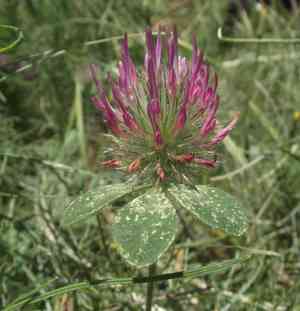
A primary reason to incorporate Rose clover into your outdoor space is its visual charm. This plant introduces vivid color and texture to any garden setting. Its bright shades can beautifully complement other flora, fostering a visually engaging environment. Furthermore, Rose clover possesses an inherently graceful form that can soften harsh edges in your landscape design, making it an ideal component for flower beds, borders, and open areas.
Ecological Advantages of Including Rose Clover in Your Garden
Beyond its visual appeal, Rose clover provides several ecological benefits. Notably, this plant is recognized for its capacity to fix nitrogen in the soil, enriching it and fostering healthier plant development. Moreover, by cultivating Rose clover, you contribute to local biodiversity, drawing beneficial insects and pollinators to your garden. This not only aids in maintaining a balanced ecosystem but also boosts the overall health and productivity of other plants in your landscape.
Optimal Placement of Rose Clover in Outdoor Spaces
Analyzing Spatial Dynamics for Rose Clover Positioning
Strategic placement of Rose clover is crucial for maximizing its impact on your landscape. Consider locations where this plant can either serve as a focal point or seamlessly integrate with surrounding vegetation. Rose clover flourishes in open areas with ample sunlight, but it can also adapt to partially shaded spots. Ensure sufficient space for it to grow and spread naturally without crowding other plants. Evaluating spatial dynamics will help you achieve a balanced and harmonious garden layout.
Pairing Rose Clover with Other Plants for Design Cohesion
Achieving design harmony in your garden involves skillfully combining Rose clover with other plants. Complementary plants might include those with contrasting colors, textures, and heights. For example, pairing Rose clover with taller, boldly colored plants can create a dynamic visual effect. Additionally, consider mixing Rose clover with ground covers or perennials to add layers and depth to your garden design. By doing so, you ensure a cohesive and visually pleasing landscape that thrives throughout the seasons.
Seasonal Considerations for Rose Clover
Ideal Seasons for Planting Rose Clover for Robust Growth
Timing is essential when planting Rose clover to ensure its vigorous growth. Ideally, you should plant Rose clover during early spring or late autumn when temperatures are moderate. These seasons offer the best conditions for Rose clover to establish itself and thrive. Planting during these periods allows the plant to root deeply and utilize seasonal rainfall, reducing the need for extra watering.
How Rose Clover's Appearance Transforms with the Seasons
One of the delightful aspects of Rose clover is how its look changes throughout the year. In spring and summer, it displays vibrant blooms that can add vitality and color to your garden. As fall approaches, the foliage may take on different hues, adding a new dimension of beauty to your landscape. Understanding these seasonal shifts will help you plan your garden to ensure it remains attractive year-round.
Maintaining Rose Clover in Your Landscape
Basic Care Guidelines for Rose Clover
Caring for Rose clover is relatively simple, making it a favorite among gardeners who prefer low-maintenance plants. Consistent watering during the initial growth phase is vital. Once established, Rose clover is drought-tolerant and requires minimal irrigation. Additionally, occasional trimming can help maintain its shape and encourage more blooms. Applying organic mulch around the base can retain soil moisture and prevent weed growth, ensuring your plant stays healthy and vibrant.
Resolving Common Issues with Rose Clover
While Rose clover is tough and resilient, it can occasionally face problems like pests or fungal infections. Regularly inspecting your plant can help you detect and address issues early. If you notice yellowing leaves or stunted growth, it might indicate a nutrient deficiency, which you can correct with a balanced fertilizer. For pest problems, organic insecticides can be effective. Always follow manufacturer instructions when using any treatment to ensure optimal results without harming your plants.
Creative Applications for Rose Clover in Your Garden
Innovative Concepts for Integrating Rose Clover into Various Garden Styles
There are numerous inventive ways to incorporate Rose clover into different garden styles, whether you're aiming for a traditional, modern, or wild garden aesthetic. For instance, in a cottage garden, you can intersperse Rose clover among other flowering plants to create a lively, colorful setting. In a modern minimalist garden, using Rose clover in defined sections can add splashes of color without overwhelming the clean lines and simplicity of the design. The adaptability of Rose clover allows for endless creative possibilities.
Utilizing Rose Clover as a Solution for Challenging Garden Areas
Rose clover can also be a problem-solving plant for difficult garden spots. Its ability to adapt to various soil types means it can thrive where other plants might struggle. For example, if you have an area with poor soil or steep slopes, Rose clover can help stabilize the soil and improve its fertility. This makes Rose clover an excellent choice for areas needing ground cover or where erosion control is a concern, transforming challenging spots into beautiful, functional parts of your garden.



