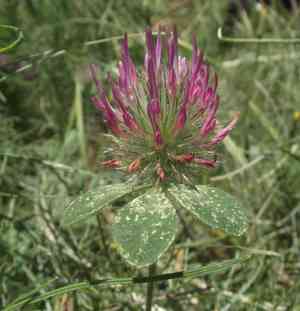
Rose clover (Trifolium hirtum)
Also known as: Rose Clover, Hairy Clover
Rose clover (Trifolium hirtum) originates from regions in Europe, North Africa, and Western Asia. It is often grown for animal feed and can commonly be found growing along roadsides.
In This Article
Attributes of Rose clover
Lifespan
Annual
Plant Type
Herb
Plant Height
16 cm
Spread
45 cm
Leaf Color
Green with a potential tinge of purple during certain growth stages
Flower Size
1.5 cm
Flower Color
Pink Purple
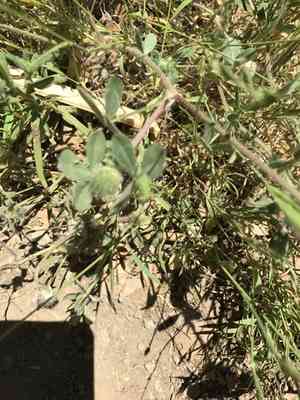
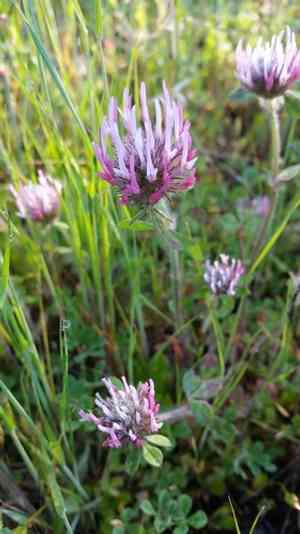
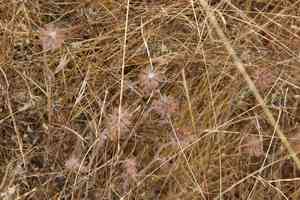
Images of Rose clover
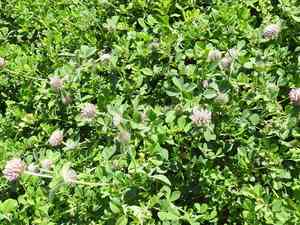
Quickly Identify Rose clover
1
Trifolium hirtum can be identified by its hairy leaves and stems, pink to purple flower heads, and its low, bushy growth habit. The leaves are typically trifoliate, and the flowers form dense heads.
Scientific Classification of Rose clover
Phylum
Vascular plants
Class
Dicotyledons
Order
Fabales
Family
Legume
Genus
Clovers
Species
Rose clover
Planting and Growing of Rose clover
Care Difficulty
Easy
Watering Schedule
Every 3 days
Sunlight Requirements
Full sun
Sunshine Duration
4-8 hours
Ideal Temperature
60-75℉
Soil Type
Potting Mix, Peat Mix
Soil pH
6.5-7.5
Fertilizer Type
Balanced
Pruning Season
Spring, Summer
Pruning Area
Branches, Leaves
Pruning Frequency
2 times a year
Repotting Season
Spring
Pot Type
Plastic, Terracotta
 How to Water Rose clover?
For Trifolium hirtum, maintain consistently moist soil without oversaturation. Each watering should involve approximately 200 milliliters, ensuring the soil is neither waterlogged nor bone dry. Adjustments depend on environmental factors like humidity and temperature.
What are the symptoms of an underwatered Rose clover?
›
What should I do if my Rose clover is not getting enough water?
›
What are the symptoms of an overwatered Rose clover?
›
How to save an overwatered Rose clover?
›
 What Are the Sunlight Requirements for Rose clover?
Trifolium hirtum thrives in full sunlight conditions, receiving 6 to 8 hours of sun daily. Optimal light exposure supports vigorous growth and extensive blooming, enhancing the plant's appearance and resilience.
More About Sunlight Requirements Techniques→
What is the best lighting condition for Trifolium hirtum?
›
How can I enhance sunlight exposure for Trifolium hirtum?
›
What are the benefits of proper sunlight for Trifolium hirtum?
›
 What Is the Ideal Temperature Range for Rose clover?
The ideal temperature range for Trifolium hirtum is between 60°F and 75°F. Within this temperature range, the plant can efficiently carry out photosynthesis and metabolism, which supports robust growth and flowering. Maintaining the temperature in this range minimizes stress and maximizes nutrient uptake, ensuring the plant remains healthy.
 What Soil is Best for Rose clover?
Trifolium hirtum thrives in soil that offers excellent drainage. Proper drainage prevents waterlogging, which can suffocate roots and lead to root rot. This requirement ensures that the plant remains healthy and vibrant. While Trifolium hirtum can grow in less fertile soils, it benefits from moderately fertile conditions. This ensures a steady nutrient supply, promoting robust growth and a lush appearance, increasing its resilience against diseases. Soil aeration is crucial for Trifolium hirtum, as it allows roots to breathe and exchange gases. Well-aerated soil supports healthy root development, enhances nutrient uptake, and contributes to the plant's overall vigor.
 How to Fertilize Rose clover?
For Trifolium hirtum, a balanced approach is key. Apply a liquid fertilizer diluted to half its strength every month, providing an even dose without overwhelming the plant. Use about 10 ml per liter of water to ensure the plant receives adequate nutrients. Solid, slow-release fertilizers should be applied sparingly, at about 20 grams per square meter, ensuring nutrients are available over time.
 How to Prune Rose clover?
Ensure your pruning tools are sharp and clean before you begin. Dull tools can damage the plant, making it prone to infections. A sharp pair of pruning scissors or shears will make clean cuts, promoting faster healing and reducing the plant's stress. Aim to prune Trifolium hirtum during the cooler parts of the day, preferably in the early morning or late afternoon. This reduces stress from heat exposure right after cutting and gives the plant ample time to heal during the less intense sun hours.
More About Pruning Techniques→
 How to Propagate Rose clover plant?
1
Begin by filling seed trays with potting mix, ensuring the surface is even and lightly firmed down. This creates a stable environment for the seeds to germinate.
2
Scatter the seeds evenly across the surface of the potting mix. A light layer of mix should cover the seeds, but not so deep to hinder the seed's access to sunlight and moisture.
3
Gently water the seeds, keeping the mix moist but not soggy. Covering the seed tray with a transparent lid or plastic wrap can help maintain humidity for better germination.
 How to Repot Rose clover plant?
1
Look for signs like roots emerging from the drainage holes, soil drying out quickly, or reduced growth rate. These are clear indicators that it's time to repot your Trifolium hirtum. Repot during Spring or Autumn for optimal results as these seasons encourage root growth and recovery.
2
Select a pot that is one size larger than the current one. Ensure it has sufficient drainage holes to prevent water accumulation, which can lead to root rot. A slightly larger pot allows the roots to expand and thrive without drowning them in excessive soil that retains moisture.
3
Opt for a well-draining potting mix rich in organic matter. This combination ensures that the roots receive adequate air circulation while retaining necessary nutrients. Such soil prevents waterlogging and provides a balanced environment fostering Trifolium hirtum’s healthy growth.



