How Much Sunlight Do Long-spike tridens Need?
1
Long-spike tridens flourishes with ample sunlight, requiring more than 6 hours of direct sun each day.
2
Morning sun provides the best growing environment for Long-spike tridens.
3
Too much shade can result in spindly, elongated growth for Long-spike tridens.
Grasping the Light Needs of Long-spike Tridens
What Kind of Light is Best?
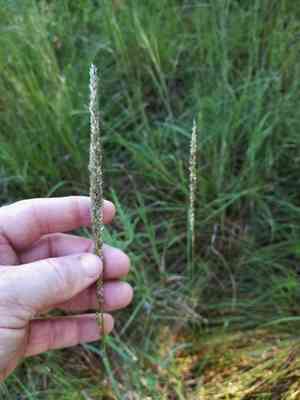
Long-spike tridens, a sturdy and striking grass, thrives in full sun. Providing your plant with at least six hours of direct sunlight daily is crucial for its best development. Full sun significantly enhances its vibrant green foliage and long, elegant flower spikes, which are its key features.
How Much Direct Sun?
Full sun – meaning a minimum of six hours of unobstructed sunlight – is perfect for Long-spike tridens. More light leads to healthier growth and more prominent aesthetic qualities. While it can endure partial sun, aiming for full sun exposure will yield superior outcomes.
Does Long-spike Tridens Handle Shade?
Although Long-spike tridens can withstand some shade, it's generally not advised. Extended periods in shaded conditions can result in weaker stems and less vivid green colors. Position your Long-spike tridens where it can absorb ample sunlight for the best results.
Daily Light Patterns for Long-spike Tridens
Optimal Morning Light
Long-spike tridens greatly benefits from morning sunlight. The gentle yet sufficient rays in the morning supply the plant with the necessary light energy to initiate its daily photosynthesis, leading to overall healthier growth patterns.
Afternoon Light Advantages
Afternoon sunlight is typically stronger and more intense. This surge of abundant light helps Long-spike tridens maintain its energy levels and flourish throughout the day. However, ensure a balance to prevent potential scorching on extremely hot afternoons.
Impacts of Improper Light Exposure
Signs of Excessive Light
If your Long-spike tridens gets too much direct sunlight, especially during peak afternoon hours, you might observe yellowing or browning of the blades, indicating sunburn. Be watchful, and if needed, offer slight shade during extreme heat to safeguard your plant.
Signs of Insufficient Light
Conversely, inadequate sunlight can cause the blades to become dull, weak, and elongated. The plant might stretch towards the nearest light source, resulting in an uneven and sparse appearance. Ensure your Long-spike tridens receives ample sunlight to maintain its structural integrity and vibrant hue.
Advice for Managing Long-spike Tridens Light Exposure
Utilizing Shades or Screens
During exceptionally bright afternoons or intense heatwaves, consider employing shades or screens to diffuse direct sunlight. This can prevent potential sunburn, providing a cool yet bright environment for your Long-spike tridens to thrive.
Moving the Plant Periodically
If your Long-spike tridens is in a pot, moving it periodically to ensure optimal sun exposure can be advantageous. Shifting it to a sunnier spot in the morning and potentially a slightly shaded area during the hottest afternoon hours can perfectly balance its light intake.
Considering Seasonal Variations
Different seasons bring varying sunlight intensities. In winter, the sun is generally milder, whereas summer can deliver intense rays. Adjust your Long-spike tridens's position accordingly to adapt to these seasonal changes, ensuring it always gets the correct amount of light.



