How to Prune Long-spike tridens?
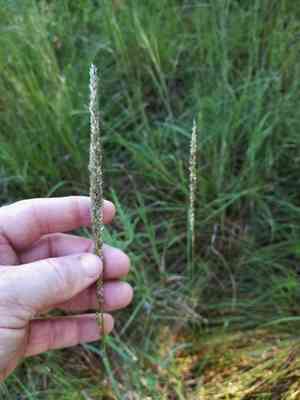
A perennial herbaceous plant, long-spike tridens is recognized for its elongated, slender flower spikes. Trim the clusters in early spring prior to the emergence of new shoots or following seed dispersal in winter to foster robustness and preserve form. Reduce the foliage to several inches above the soil surface. Consistent elimination of deceased matter enhances air movement and diminishes problems with pests. Trimming during its inactive period avoids interfering with its developmental rhythm and optimizes the plant's well-being.
What Are the Benefits of Pruning Long-spike Tridens?
What Are the Benefits of Pruning Long-spike Tridens?
Trimming long-spike tridens helps maintain its desired shape and promotes a more vigorous growth pattern, resulting in a strong and attractive appearance.
What Is the Best Time for Pruning Long-spike Tridens?
What Is the Best Time for Pruning Long-spike Tridens?
Pruning or trimming long-spike tridens is best performed in early spring or winter due to various growth cycle and health considerations. During early spring, long-spike tridens is typically emerging from dormancy, making this an ideal time for pruning to encourage robust new growth and to shape the plant before it expends energy on producing foliage. Pruning in early spring allows gardeners to easily identify dead or diseased stems before the plant fully leafs out. Additionally, pruning during this period helps prevent the spread of diseases that are more active during wetter, warmer seasons. Winter pruning is also recommended as long-spike tridens is likely to be dormant. During this time, cuts heal faster, there is less risk of disease transmission, and the absence of leaves provides better visibility for removing dead or damaged growth. Moreover, since the plant is not actively growing, pruning won't significantly interrupt photosynthesis or sap flow. Thus, focusing on these recommendations helps maintain long-spike tridens's vigor and overall well-being.
What Tools Do I Need to Prune Long-spike Tridens?
Hand Pruners (Bypass or Anvil type)
These are perfect for cutting through the slender, grass-like stems of long-spike tridens, ensuring clean cuts that will promote rapid healing.
Grass Shears
Especially useful for shaping and trimming the foliage of long-spike tridens, grass shears offer greater precision for maintaining the aesthetic of this grass species.
Pruning Saws
For larger, more established clumps of long-spike tridens, a pruning saw can assist in managing the bulk if the stems become too thick for hand pruners to handle effectively.
How to Prune Long-spike Tridens
Disinfect tools
Before beginning the pruning process, thoroughly clean and sanitize pruning tools to prevent the spread of disease to long-spike tridens.
Identify
Locate and mark diseased and withered leaves on long-spike tridens that require removal. Look for any discoloration, spots, or signs of decay that differentiate the unhealthy foliage from the healthy leaves.
Cut diseased leaves
Carefully cut the diseased leaves from long-spike tridens at the base of the leaf stalk, using sharp pruning shears. Make a straight, clean cut to minimize stress and avoid tearing that could further harm the plant.
Cut withered leaves
Remove the withered leaves from long-spike tridens by cutting them at the base where they meet the stem or branch. Avoid leaving stubs as these can attract pests or disease.
Cleanup
After pruning, gather all the removed diseased and withered leaves and properly dispose of them away from the plant. Clean the pruning tools again to eliminate any potential transfer of pathogens.
Common Pruning Mistakes with Long-spike Tridens
Overpruning
Cutting back long-spike tridens too severely can shock the plant, hindering its growth or potentially killing it.
Improper tool use
Using dull or dirty tools can cause damage to long-spike tridens, leading to uneven cuts and potential disease entry.
Neglecting health check
Failing to inspect long-spike tridens for signs of disease or pests before pruning can result in the spread of issues throughout the plant.
Ignoring plant shape
Pruning without considering long-spike tridens's natural growth habit can lead to an unnatural appearance and may impede its development.
Common Pruning Tips for Long-spike Tridens
Clean cut angling
Ensure cuts are clean and angled to promote water runoff and prevent disease for long-spike tridens.
Selective pruning
Thinning out the oldest stems rather than shearing the plant will encourage new growth and maintain the natural form of long-spike tridens.
Tool sanitization
Always use sharp, sanitized tools to prune long-spike tridens to reduce stress on the plant and the risk of disease transmission.
Post-prune care
After pruning long-spike tridens, provide adequate water and consider a balanced fertilizer to support recovery and new growth.



