The Long-spike tridens Plant Advantage: Maximizing Home and Office Appeal and Wellness
1
Long-spike tridens thrives in arid, sandy ground, making it a robust option for landscaping.
2
This vegetation is vital for securing soil and stopping erosion.
3
Its distinct look contributes beauty to outdoor spaces, improving their visual charm.
What Makes Long-spike tridens Unique?
Resilience to Challenging Environments
Long-spike tridens exhibits remarkable resilience across various harsh conditions, especially arid and sandy soils where many other plants struggle. Its extensive root system enables it to access moisture deep underground, making it an excellent option for drought-prone regions. This hardiness not only ensures its survival but also contributes to the stability and vitality of its ecosystems.
Distinctive Visual Appeal
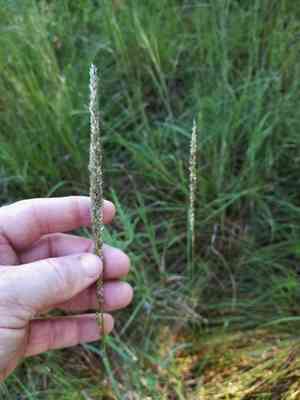
Long-spike tridens offers a unique visual charm with its elongated, slender spikes that add texture and character to any landscape. The plant's inherent grace can enhance the aesthetic qualities of gardens, parks, and restoration initiatives, serving as an attractive focal point or a complementary element to other vegetation. Its subtle yet striking appearance makes it a favorite among landscape architects and gardening enthusiasts.
How Does Long-spike tridens Benefit Soil Health?
Soil Stabilization
A primary advantage of Long-spike tridens is its capacity to stabilize soil. Its widespread root network helps bind soil particles together, reducing erosion and the loss of valuable topsoil. This is particularly advantageous in areas vulnerable to wind or water erosion, where maintaining soil integrity is vital for the surrounding environment.
Improvement of Soil Structure
Beyond preventing erosion, Long-spike tridens also plays a significant role in enhancing soil structure. The roots of Long-spike tridens penetrate deep into the earth, creating channels that improve aeration and water absorption. This process not only benefits the plant itself but also boosts overall soil quality, making it more favorable for the growth of other plant species.
What Ecological Functions Does Long-spike tridens Fulfill?
Supporting Biodiversity
Long-spike tridens fosters biodiversity by providing habitat and food sources for various insects, birds, and small animals. Its presence in an environment promotes a more diverse and healthy ecosystem. For instance, the seeds of Long-spike tridens can serve as sustenance for birds, while its foliage offers refuge for small animals and insects.
Contribution to Carbon Sequestration
Like all plants, Long-spike tridens contributes to carbon sequestration, helping to capture and store carbon dioxide from the atmosphere. This process is crucial in mitigating the effects of climate change. By cultivating Long-spike tridens, we can help reduce greenhouse gases, fostering a healthier environment.
Why is Long-spike tridens a Preferred Choice for Landscaping?
Minimal Maintenance Requirements
Long-spike tridens is a popular landscaping choice due to its low maintenance needs. It does not require frequent watering or fertilization, making it an ideal plant for those seeking to create sustainable and low-effort garden spaces. Its resilience and adaptability mean it can flourish with minimal human intervention.
Versatility in Landscape Design
The versatility of Long-spike tridens in landscape design is undeniable. It can be utilized in various settings, from xeriscaping and erosion control projects to ornamental garden beds and naturalistic landscapes. Its ability to seamlessly integrate into different design themes while offering practical benefits makes it a go-to plant for landscapers and garden designers alike.



