How Much Sunlight Do Kōwhai Need?
1
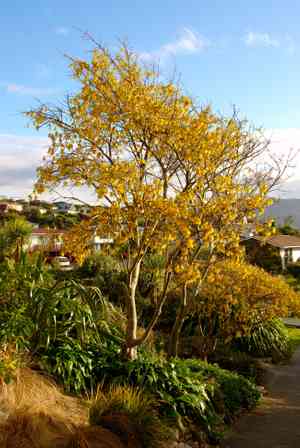
Kōwhai flourishes with over six hours of direct sun daily.
2
Although Kōwhai can endure some shade, placing it in a spot with ample sunlight is ideal.
3
Yellowing foliage and a generally faded look in Kōwhai signal insufficient light, indicating a need for increased sun exposure.
Optimal Light Conditions for KÅwhai
Advantages of Full Sun Exposure
The stunning KÅwhai flourishes in full sun. This native New Zealand plant thrives with at least six hours of direct sunlight daily. Full sun is vital for robust development and the characteristic bright yellow blossoms. When KÅwhai gets ample light, it flowers profusely, boosting its decorative appeal and becoming a garden highlight. Furthermore, abundant sunlight aids in producing strong foliage and sturdy branches, increasing its resistance to pests and diseases.
Tolerance for Partial Shade
While KÅwhai prefers full sun, it can tolerate some partial shade. The plant can still grow where it receives a mix of sun and shade daily. However, reduced light might affect flowering intensity and overall plant health. Partial shade could lead to fewer blooms and less dense foliage. If KÅwhai must be in partial shade, ensure it gets at least four hours of direct sunlight for healthy growth.
Adjusting to Various Light Levels
KÅwhai shows some flexibility with different light levels, but this has limits. The plant can handle brief periods of lower light but thrives best in sunny spots. To help your KÅwhai adapt, gradually move it to a brighter location if it's been in shade. Sudden changes in light exposure can stress the plant, so a slow increase in sunlight is better. Observing the plant's reaction to different light will help find its ideal spot for peak health and growth.
Detecting Light Stress in KÅwhai
Symptoms of Sunburn
Excessive direct sunlight can cause sunburn in KÅwhai. Symptoms include brown or scorched leaf edges and discolored spots on the foliage. If your KÅwhai shows these signs, the sunlight is too strong. To lessen sunburn, consider providing temporary shade during the hottest part of the day, especially in peak summer. Regularly check leaves for damage and reposition the plant if needed to prevent further stress.
Indicators of Insufficient Light
KÅwhai not receiving enough sunlight will develop yellowing leaves and show stunted growth. The plant may also produce fewer flowers, and its overall vitality will decrease. In severe cases, leaves might drop early. If you notice these signs, it's crucial to move your KÅwhai to a sunnier location. Gradually increasing light exposure will help the plant recover and reach its full potential.
Maximizing KÅwhai's Sunlight Exposure
Optimal Plant Placement for Success
To ensure your KÅwhai gets ideal sunlight, place it in a spot that receives full sun all day. An open area free from tall buildings or dense tree canopies is perfect. If planting KÅwhai in your garden, position it on the south or west side to maximize afternoon sun. If in a pot, you can easily move it to follow the sun as seasons change. Proper initial placement for your KÅwhai establishes a strong foundation for its growth.
Seasonal Adjustments for Light Needs
KÅwhai's sunlight requirements can change with the seasons. In winter, the plant might get less sunlight due to shorter days and a lower sun angle. If your KÅwhai is potted, move it to the sunniest available spot. During summer, watch for any signs of sunburn and provide temporary shade if necessary. Adjusting the plant's exposure seasonally ensures it receives adequate sunlight year-round, promoting consistent growth and flowering.



