
Kōwhai (Sophora microphylla)
Also known as: Weeping kōwhai
Kōwhai, an evergreen flowering shrub or small tree native to New Zealand, is renowned for its striking long yellow flowers, which are often regarded as the country's unofficial national flower. Interestingly, the nectar of kōwhai flowers is toxic to honeybees.
In This Article
Attributes of Kōwhai
Lifespan
Perennial
Plant Type
Tree, Shrub
Plant Height
3 m
Spread
3 m
Leaf Color
Green
Flower Size
2.5 cm
Flower Color
Yellow
Images of Kōwhai
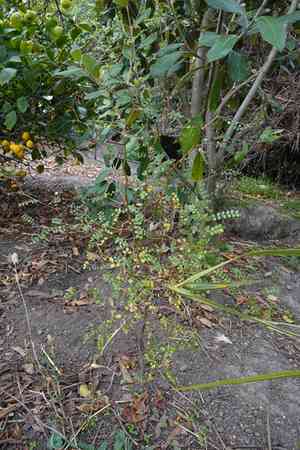
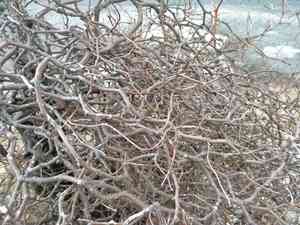
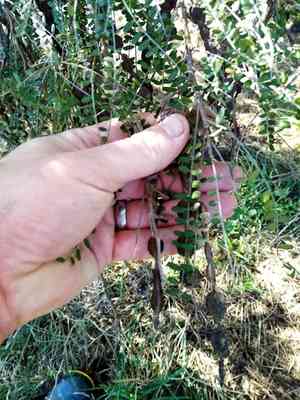

Quickly Identify Kōwhai
1
Small tree up to 25 feet (7.62 meters) tall
2
Vivid yellow blooms in late winter to spring
3
Divaricating, bushy juvenile phase transitioning to upright mature form
4
Resilient to low temperatures, surviving down to at least 20°F (-6.67°C)
5
Compound leaves with fine texture
Scientific Classification of Kōwhai
Phylum
Vascular plants
Class
Dicotyledons
Order
Fabales
Family
Legume
Genus
Necklacepods
Species
Kōwhai
Planting and Growing of Kōwhai
Care Difficulty
Easy
Watering Schedule
Every 2 days
Sunlight Requirements
Full sun
Sunshine Duration
6-10 hours
Ideal Temperature
65-75℉
Soil Type
Potting Mix, Peat Mix
Soil pH
5.5-8
Fertilizer Type
Balanced
Pruning Season
Spring, Summer
Pruning Area
Branches, Leaves
Pruning Frequency
2 times a year
Repotting Season
Spring
Pot Type
Plastic, Ceramic
 How to Water Kōwhai?
For Sophora microphylla, you should aim to thoroughly drench the soil with about 500 ml of water each time you water. The goal is to hydrate the entire root zone without leaving the soil soggy. Ensure the water penetrates deeply to encourage root growth.
What are the symptoms of an underwatered Kōwhai?
›
What should I do if my Kōwhai is not getting enough water?
›
What are the symptoms of an overwatered Kōwhai?
›
How to save an overwatered Kōwhai?
›
 What Are the Sunlight Requirements for Kōwhai?
Ideally, Sophora microphylla should receive full sun to partial sun with 6-8 hours of sunlight a day. This balance ensures vigorous growth, vibrant foliage, and prolific blooming, optimizing its ornamental appeal.
More About Sunlight Requirements Techniques→
What type of light does Sophora microphylla prefer?
›
How to achieve ideal lighting for Sophora microphylla?
›
What benefits are gained from ideal lighting?
›
 What Is the Ideal Temperature Range for Kōwhai?
For optimal growth, Sophora microphylla thrives best in temperatures ranging between 65°F and 75°F. These temperatures ensure the plant's metabolic processes function efficiently, promoting robust growth and vibrant foliage.
 What Soil is Best for Kōwhai?
Sophora microphylla thrives in well-drained soil, which prevents waterlogging and root rot. This type of soil improves aeration and provides room for roots to grow, ensuring healthy plant development. This plant benefits from soil with moderate fertility. A balanced nutrient profile supports healthy foliage and vibrant blooms. Regularly testing soil fertility can help you fine-tune your fertilization routine. The addition of organic matter like compost boosts soil structure and nutrient content. Enhanced soil fertility encourages lush growth and enhances the soil’s moisture retention properties.
 How to Fertilize Kōwhai?
For Sophora microphylla, apply liquid fertilizer monthly at half the recommended strength on the fertilizer label. For solid, slow-release fertilizers, use approximately 50 grams once per application. This amount maintains optimal nutrient levels for healthy growth.
 How to Prune Kōwhai?
Begin by observing the overall structure of your Sophora microphylla. Identify dead, diseased, or crossing branches that may hinder growth or airflow. Start the pruning process by carefully cutting off any dead or diseased branches. This not only improves the appearance but prevents the spread of disease. Trim back longer branches to maintain a balanced and appealing shape. Follow the natural contour of the plant, ensuring even distribution of foliage. Pruning helps to stimulate new shoots by cutting back older growth. Clip back to just above a bud facing the direction you want the branch to grow.
More About Pruning Techniques→
 How to Propagate Kōwhai plant?
1
Begin by collecting mature seeds from the plant. Clean the seeds to remove any pulp, and dry them thoroughly. This step ensures that they are ready for sowing, reducing mold or rot risks.
2
Fill seedling trays with a well-draining potting mix and sow the seeds approximately one inch apart. Cover lightly with soil and water gently. Ideal germination occurs in a warm and humid atmosphere.
3
Select healthy, non-flowering shoots and cut them about 4-6 inches long. Remove the lower leaves. Apply rooting hormone to the cut end to encourage root development before planting it in moist compost.
 How to Repot Kōwhai plant?
1
Sophora microphylla should be repotted when you notice roots emerging from the drainage holes or the soil drying out too quickly after watering. These are clear signs that the plant has outgrown its current pot and requires more space to thrive.
2
Choose a pot that is one size larger than the current one. Ensure it has adequate drainage holes to prevent water accumulation, which can lead to root rot. A slightly larger pot provides more space for root expansion and promotes healthier growth.
3
Opt for a well-draining soil mix; a combination of potting soil, sand, and perlite works well. This mix provides excellent drainage, preventing waterlogged conditions, and ensures that roots receive enough oxygen to promote healthy growth.
Toxicity
ingestion
WARNING
The judgment on toxicity and danger is for reference only. We DO NOT GUARANTEE any accuracy of such judgment. Therefore, you SHALL NOT rely on such judgment. It is IMPORTANT TO SEEK PROFESSIONAL ADVICE in advance when necessary.
Learn More About Kōwhai Diseases
Anthracnose
Bacterial Leaf Spot
Bacterial Wilt
Crown Gall
Cyst Nematode
Damping-off
Downy Mildew
Drought Stress
Fusarium Wilt
Gray Mold
Leaf Spot
Mosaic
Nutrient Deficiency
Nutrient Toxicity
Powdery Mildew
Root Rot
Root-knot Nematode
Rusts
Sooty Mold
Spider Mites
Temperature Stress
Thrips Damage
White Mold



