Enhancing Your Garden Design with the Kōwhai Plant: A Landscaping Guide
1
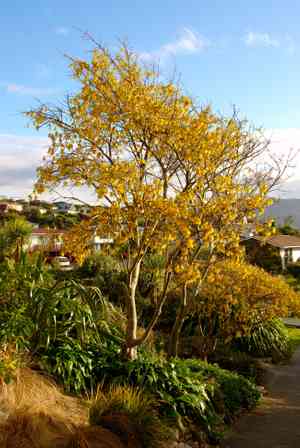
Kōwhai flourishes in diverse garden designs, from classic to modern, showcasing its adaptability.
2
Kōwhai's unique blossoms draw in various creatures, enriching the garden's ecological diversity.
3
Diligent Kōwhai maintenance guarantees it stays a magnificent centerpiece in your garden throughout the year.
Introducing KÅwhai in Garden Design
Why incorporate KÅwhai into your garden?
Integrating KÅwhai into your garden's layout can be a fulfilling choice for numerous reasons. This plant offers remarkable beauty with its striking blooms, which can serve as a central feature in any garden. Moreover, KÅwhai is versatile and adaptable, suitable for various climates and soil types, meaning it can flourish in diverse garden conditions. It's also a long-lived plant, ensuring that once established, it can be a lasting component of your garden scheme.
The visual appeal of KÅwhai
The distinct visual charm of KÅwhai lies in its graceful, pendulous flower clusters and finely divided leaves. These attributes provide not only a lush and vibrant visual interest but also add a delicate texture to your garden's landscape. The bright flowers can create a strong contrast with other plants, enhancing the overall visual harmony of your garden setting.
Integrating KÅwhai into Garden Styles
Classic garden environments
KÅwhai's traditional appearance makes it an ideal selection for classic garden environments. Its historical and cultural significance can imbue your garden with a sense of timelessness and continuity. Position KÅwhai near the center of a garden bed or along pathways to enhance the traditional aesthetic with its vibrant blooms and elegant form.
Modern landscape designs
For contemporary landscape designs, KÅwhai can be utilized to introduce a touch of organic beauty amidst more structured elements. Its naturally flowing shape contrasts beautifully with modern, geometric garden features. Consider planting KÅwhai alongside sleek concrete elements or metal sculptures to forge a harmonious blend of nature and modernity.
Gardens supporting wildlife
If your goal is to create a wildlife-friendly garden, KÅwhai is an excellent option. Its flowers attract birds, bees, and other pollinators, making it a valuable addition to a biodiverse garden environment. Planting KÅwhai can help sustain local wildlife, providing essential nectar sources and habitats within your landscape.
Seasonal Aspects of KÅwhai
Blooming period and visual impact
KÅwhai typically blooms in spring, producing an abundance of brilliant flowers that can invigorate your garden. This flowering period offers a burst of color after the winter months, signaling the change of season with a vivid display. Understanding KÅwhai's blooming schedule can help you plan your garden for continuous seasonal appeal.
Year-round landscape contribution
Even when not in bloom, KÅwhai contributes to your landscape with its attractive foliage and interesting branch structure. Its evergreen nature means it provides visual interest and a green backdrop throughout the year. The plant's resilience and adaptability ensure it remains a steady and reliable component of your garden, regardless of the season.
Companion Plants for KÅwhai
Complementary plants for hue and form
When choosing companion plants for KÅwhai, consider those that can complement its vibrant flowers and structural shape. Plants with contrasting foliage or blooms, such as deep greens or purples, can highlight KÅwhai's blossoms. Meanwhile, plants with similar light and soil needs ensure a harmonious growing environment.
Beneficial plant interactions in the garden
Companion planting isn't solely about aesthetics; it's also about fostering beneficial plant relationships. KÅwhai can pair well with nitrogen-fixing plants that enrich the soil, ensuring better nutrient availability. Additionally, plants that attract beneficial insects or deter pests can support the overall health and vitality of your garden.
Practical Advice for Cultivating KÅwhai
Optimal planting sites
To flourish, KÅwhai prefers well-drained soil and a sunny location. It's best to plant KÅwhai in an open area where it can receive ample sunlight throughout the day. Consider locations that allow for good air circulation and spacing to prevent overcrowding, which can help reduce the risk of disease.
Soil and light requirements
KÅwhai thrives in moderately fertilized, well-drained soil. It tolerates a range of soil pH levels but grows particularly well in slightly acidic to neutral soils. Regular watering is crucial, especially during dry spells, though it's important to avoid waterlogged conditions. Ensuring KÅwhai receives full sun for most of the day will promote healthy growth and abundant flowering.



