How Much Sunlight Do European dwarf cherry Need?
1
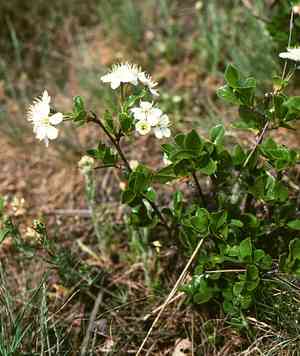
European dwarf cherry flourishes with ample sunlight, requiring a minimum of 6 hours of direct sun each day.
2
Place your European dwarf cherry in a south or west-facing spot to maximize its sun exposure.
3
Observe your tree for indications of sun damage or inadequate light to support its well-being and development.
The Importance of Sunlight for European Dwarf Cherry
Photosynthesis Process
Sunlight serves as the primary energy source for European dwarf cherry, enabling photosynthesis. This process converts solar energy into chemical energy, which the tree utilizes for growth and fruit production. Insufficient sunlight hinders photosynthesis, negatively impacting its overall health and vigor.
Growth and Development
Sufficient sunlight exposure is vital for the European dwarf cherry's growth and development. Sunlight aids in chlorophyll production, essential for the tree's green leaves. It also influences flowering and fruiting cycles, ensuring the tree remains robust and productive. Low light can result in stunted growth, weak branches, and reduced fruit yield.
Ideal Sunlight Requirements for European Dwarf Cherry
Daily Sunlight Duration
European dwarf cherry thrives in full sun, requiring at least 6 hours of direct sunlight daily. Ideally, the tree should receive up to 8 hours of sunlight for vigorous growth and a healthy cherry harvest. Placing the tree in an area with consistent sun exposure throughout the day will meet these needs.
Seasonal Sunlight Fluctuations
Sunlight exposure varies seasonally, affecting the European dwarf cherry differently. During spring and summer, the tree typically receives ample sunlight, promoting strong growth and fruit development. However, in autumn and winter, sunlight decreases. It's crucial to ensure the tree still gets as much light as possible, even if it means repositioning or using reflective materials to enhance light exposure.
Indicators of Excessive or Insufficient Sunlight for European Dwarf Cherry
Symptoms of Sunburn
While European dwarf cherry thrives in full sun, too much direct sunlight can cause sunburn. Symptoms include scorched or browned leaves and dried edges. If these signs appear, consider providing some afternoon shade or moving the tree to a slightly less intense sunny spot.
Signs of Inadequate Sunlight
Insufficient sunlight can lead to several problems for the European dwarf cherry. Symptoms include leggy growth, pale foliage, and poor flowering or fruiting. If your tree isn't getting the necessary 6-8 hours of sunlight, you might need to move it to a brighter location or prune away any light-blocking obstructions.
Optimizing European Dwarf Cherry Placement for Sunlight
Optimal Garden Locations
When planting a European dwarf cherry in your garden, select a full-sun location, such as a south or west-facing area. Ensure the tree isn't shaded by taller plants, structures, or other trees. An open, unobstructed area will help the tree flourish.
Container Placement Advice
For European dwarf cherry grown in containers, mobility is an advantage. Position the container in a spot with abundant sunlight. During summer, you might need to move the tree to prevent overheating, while in winter, shift it to maximize available light. Ensure the container isn't crowded by other plants, allowing the cherry tree to absorb ample light.
Adapting to Sunlight Changes for European Dwarf Cherry
Seasonal Adjustments
As seasons change, adjust your European dwarf cherry's position to ensure continuous optimal sunlight. During the growing season, ensure full sun, while in winter, find ways to maximize light exposure, such as a south-facing window if indoors or a brighter outdoor spot.
Artificial Lighting Solutions
If natural sunlight is inadequate, especially in winter, supplement with artificial lighting. Use full-spectrum grow lights to provide the necessary light quality and intensity. Position the lights 12-18 inches (30-45 cm) above the tree and operate them for 8-12 hours daily, mimicking natural daylight cycles.



