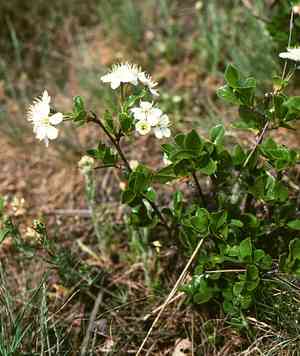
European dwarf cherry (Prunus fruticosa)
Also known as: Ground cherry, Mongolian cherry
The European dwarf cherry (Prunus fruticosa) yields tart yet edible cherries, ideal for creating jams and preserves. Its dense and attractive foliage makes it a popular choice for ornamental use, and it serves well as a hedge or windbreak. This hardy shrub is also valuable in horticulture for grafting purposes in the development of new cultivars.
In This Article
Attributes of European dwarf cherry
Lifespan
Perennial
Plant Type
Shrub
Plant Height
1 m to 2 m
Spread
1 m to 2 m
Leaf Color
Green Yellow Red Orange
Flower Size
1.5 cm
Flower Color
White
Images of European dwarf cherry
Quickly Identify European dwarf cherry
1
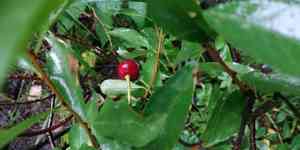
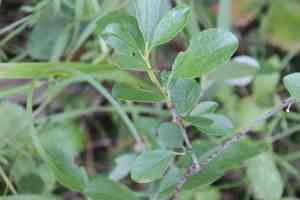
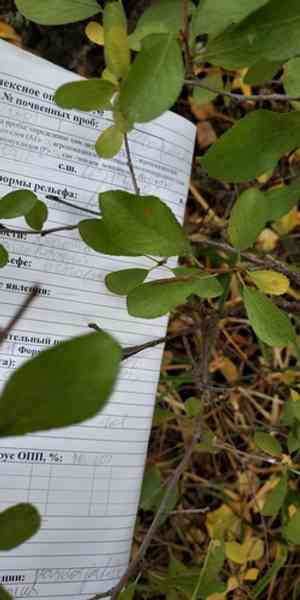
Identifying Prunus fruticosa involves looking for a small, bushy shrub or tree with simple, ovate leaves. In spring, it produces clusters of white flowers followed by small red cherries which are often slightly tart.
Scientific Classification of European dwarf cherry
Phylum
Vascular plants
Class
Dicotyledons
Order
Rosales
Family
Rose
Genus
Prunus
Species
European dwarf cherry
Planting and Growing of European dwarf cherry
Care Difficulty
Easy
Watering Schedule
Every 2 days
Sunlight Requirements
Full sun
Sunshine Duration
4-8 hours
Ideal Temperature
60-75℉
Soil Type
Potting Mix, Peat Mix
Soil pH
6.5-7.5
Fertilizer Type
Balanced
Pruning Season
Spring, Summer
Pruning Area
Branches, Leaves
Pruning Frequency
2 times a year
Repotting Season
Spring
Pot Type
Plastic, Ceramic
 How to Water European dwarf cherry?
The watering amount for Prunus fruticosa should be around 400ml per session. You should ensure the soil is evenly moist, but not waterlogged. A good guideline is to water until you see some drainage from the pot's bottom, which indicates the root zone has been sufficiently reached.
What are the symptoms of an underwatered European dwarf cherry?
›
What should I do if my European dwarf cherry is not getting enough water?
›
What are the symptoms of an overwatered European dwarf cherry?
›
How to save an overwatered European dwarf cherry?
›
 What Are the Sunlight Requirements for European dwarf cherry?
Full sun ensures that Prunus fruticosa receives the direct sunlight it needs for vigorous growth and ample flowering. Six to ten hours daily ensure it remains healthy with lush foliage and a robust growth habit.
More About Sunlight Requirements Techniques→
What kind of sunlight does Prunus fruticosa require?
›
What are the solutions to ensure ideal sunlight exposure?
›
What benefits does Prunus fruticosa gain from ideal light conditions?
›
 What Is the Ideal Temperature Range for European dwarf cherry?
The ideal temperature range for growing Prunus fruticosa is between 60°F to 75°F. This range ensures optimum growth and development, as these conditions mimic their natural habitat, providing the right amount of warmth for photosynthesis and metabolic processes.
 What Soil is Best for European dwarf cherry?
Prunus fruticosa thrives in well-draining soils. Excess moisture can lead to root rot, thus a well-draining soil ensures roots receive enough oxygen, supporting healthy plant growth. The plant benefits from soils rich in organic matter. Nutrient-rich soils provide essential elements for growth and flowering, enhancing the plant's overall vigor. A slightly alkaline soil helps Prunus fruticosa to absorb nutrients effectively. This pH range supports the natural metabolism and enzymatic processes within the plant.
 How to Fertilize European dwarf cherry?
For Prunus fruticosa, the recommended fertilizer amount should be around 1 to 1.5 tablespoons of balanced granular fertilizer per square foot of soil. This ensures that the plant receives adequate nutrition without risking over-fertilization, which can harm the roots.
 How to Prune European dwarf cherry?
Do not remove more than a third of the plant's growth at one time, as this can stress the plant and inhibit its ability to photosynthesize effectively. When pruning, be mindful of the growth buds and ensure cuts are made just above these buds. This encourages healthy new growth in the right direction. Avoid pruning in late autumn or winter when plants are dormant, as this may cause damage to the shrub. Spring and autumn are ideal for minimizing stress on the plant. Properly dispose of pruned branches to prevent the spread of diseases. Do not leave cuttings near the plant, especially if they are diseased.
More About Pruning Techniques→
 How to Propagate European dwarf cherry plant?
1
Begin by collecting seeds from mature Prunus fruticosa fruits. Clean the seeds thoroughly and let them dry. Sow the seeds in an appropriate substrate, providing warmth and moderate moisture to encourage germination.
2
Take semi-hardwood cuttings in early summer. Dip the cut ends in rooting hormone, then plant them in a well-draining mix. Keep the cuttings warm and damp, under indirect light, to promote rooting.
3
Grafting can be performed in early spring. Choose a healthy rootstock and a scion from the desired Prunus fruticosa plant. Make precise, matching cuts and bind them tightly with grafting tape, ensuring the cambium layers align.
 How to Repot European dwarf cherry plant?
1
Prunus fruticosa should be repotted when you notice that its roots are circling the pot or protruding from the drainage holes. This indicates that the plant has outgrown its current container and needs more space to thrive. Spring and autumn are ideal because the plant is in active growth or preparing for dormancy, ensuring minimal stress.
2
Choose a pot that's one size larger than the current one, with sufficient drainage holes to prevent waterlogging. Terra cotta pots are great as they allow the soil to breathe, but any pot with good drainage will suffice. This prevents root rot and promotes healthy plant growth by providing adequate air circulation and space for root expansion.
3
Select a well-draining loamy soil mixture that maintains moisture without becoming soggy. A mix that's rich in organic matter aids in nutrient retention while ensuring root breathability. This ensures that the plant receives the right balance of nutrients, drainage, and aeration, crucial for vibrant growth and bloom.
Toxicity
ingestion
WARNING
The judgment on toxicity and danger is for reference only. We DO NOT GUARANTEE any accuracy of such judgment. Therefore, you SHALL NOT rely on such judgment. It is IMPORTANT TO SEEK PROFESSIONAL ADVICE in advance when necessary.



