How to Prune European dwarf cherry?
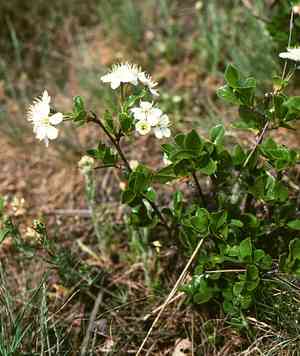
A compact, leaf-shedding shrub recognized for its dense habit and springtime flowers, european dwarf cherry thrives with careful trimming to foster vigor and fruit yield. Plan to prune while the plant is inactive in winter, eliminating lifeless or congested limbs to improve light exposure and airflow. Selective cuts preserve the plant's inherent form, and revitalization pruning can invigorate mature plants. Prompt pruning guarantees strong development, bigger fruits, and reduces the chance of illness, acting as both a protective and beneficial strategy for cultivators.
What Are the Benefits of Pruning European Dwarf Cherry?
What Are the Benefits of Pruning European Dwarf Cherry?
Trimming european dwarf cherry promotes a more abundant harvest and vigorous development, ensuring the plant retains a manageable form that enhances its beauty and health, while potentially lowering disease occurrence.
What Is the Best Time for Pruning European Dwarf Cherry?
What Is the Best Time for Pruning European Dwarf Cherry?
Pruning european dwarf cherry in late winter is optimal as the plant is dormant. This timing minimizes the risk of disease spread since sap flow is minimal, allowing wounds to heal with less stress on the plant. Late winter pruning also avoids cutting off developing buds that will become flowers or fruit, as european dwarf cherry typically blooms and fruits in spring or summer after its growth cycle. Pruning during this period also gives european dwarf cherry time to produce new growth once the growing season begins, ensuring a healthy development cycle and assisting in shaping the plant for the coming year.
What Tools Do I Need to Prune European Dwarf Cherry?
Bypass Pruners
Perfect for making clean cuts on young or slender branches of european dwarf cherry, providing precise control and minimizing harm to plant tissues.
Loppers
Ideal for reaching higher branches and cutting through thicker stems of european dwarf cherry where hand pruners are insufficient.
Pruning Saw
Essential for removing larger branches from european dwarf cherry that are too thick for loppers, ensuring clean cuts without tearing.
Hand Shears
Useful for shaping and trimming the foliage of european dwarf cherry, maintaining its desired compact form.
Pole Pruner
Helpful for safely pruning higher branches of european dwarf cherry without needing a ladder, extending reach and leverage.
How to Prune European Dwarf Cherry
Remove Diseased And Withered Leaves
Identify and carefully remove any diseased or withered leaves from european dwarf cherry to prevent disease spread and improve air circulation. Use clean, sharp pruning shears and cut close to the base of each leaf.
Cut Dead And Diseased Branches
Locate dead and diseased branches on european dwarf cherry. Make clean cuts at a 45-degree angle just above a healthy bud or node, using sterilized pruning tools to prevent infection.
Thin Excessive Growth
Thin out branches that are causing excessive growth by cutting back to a lateral branch or bud. This will help to maintain the shape of european dwarf cherry and encourage healthy new growth.
Shape Plant
Shape european dwarf cherry by selectively pruning branches that are out of balance or disrupting the desired form of the plant. Make cuts to improve the overall shape and appearance.
Clean Up
Remove all cuttings and debris from around european dwarf cherry to discourage pests and diseases. Sanitize your pruning tools after finishing to be ready for future pruning tasks.
Common Pruning Mistakes with European Dwarf Cherry
Over-Pruning
Removing too much foliage from european dwarf cherry can stress the plant, impede growth, and reduce flowering potential.
Pruning Healthy Wood
Cutting back healthy, strong branches without reason can negatively impact the plant's natural shape and productivity.
Improper Cut Locations
Making cuts too far from a bud or node can leave stubs that are vulnerable to pests and diseases, while cutting too close can damage the bud.
Using Dull Tools
Pruning with dull tools can cause jagged cuts that are slow to heal, inviting infection and disease.
Neglecting Tool Hygiene
Failing to clean and sterilize tools between uses can spread disease between european dwarf cherry plants.
Ignoring Plant Shape
Not considering the natural growth habit of european dwarf cherry when pruning can result in a less aesthetically pleasing and less productive plant.
Common Pruning Tips for European Dwarf Cherry
Selective Pruning
Focus on removing only dead or diseased branches and thinning out crowded areas to improve air circulation and light penetration.
Timing Frequency
Refrain from excessive pruning sessions; instead, do lighter, more frequent trims as needed to maintain plant health and shape.
Cut Angle
Make clean cuts at a 45-degree angle just above an outward-facing bud to encourage outward growth and prevent water accumulation.
Branch Collars
When removing larger branches, cut just outside the branch collar to promote proper healing.
Pruning Height
Maintain an appropriate height for european dwarf cherry that supports its structure and allows for accessible harvesting, if applicable.
Regenerative Pruning
Use regenerative pruning techniques by cutting back old wood selectively to stimulate the growth of new, fruitful branches.



