How Much Sunlight Do Scentless mock orange Need?
1
Scentless mock orange flourishes optimally in environments ranging from full sun to partial shade.
2
Confirm your plant receives approximately 3-6 hours of direct sunlight each day for peak development.
3
Utilize landscape features such as pergolas to regulate intense sun exposure and offer some dappled light.
Optimal Light Conditions for Scentless Mock Orange
Full Sun Requirement
The Scentless mock orange, a favored garden shrub, thrives best when exposed to full sun. Full sun means the plant gets direct sunlight for at least six hours daily. This exposure promotes strong growth, vibrant leaves, and abundant blooms, enhancing your garden's beauty.
Partial Shade Tolerance
While Scentless mock orange prefers full sun, it tolerates partial shade well. Partial shade implies the plant receives about 3-6 hours of direct sunlight daily, typically during cooler times like morning or late afternoon. This adaptability suits various garden settings, even those with some tree cover or light-filtering structures.
Seasonal Light Needs
The Scentless mock orange's light requirements can change with the seasons. In summer, with peak sun intensity, the plant might benefit from some shade to prevent leaf burn. Conversely, during cooler spring and fall months, maximizing sun exposure aids healthy growth and flowering. Seasonal light adjustments ensure year-round plant health.
Sunlight and Growth Patterns of Scentless Mock Orange
Photosynthesis Efficiency
Sunlight is vital for photosynthesis, the process where plants convert light into energy. For the Scentless mock orange, ideal sunlight exposure boosts photosynthesis efficiency, leading to vigorous development. Proper light not only fuels the plant's energy production but also supports overall health, including root growth and pest/disease resistance.
Flowering and Sunlight Exposure
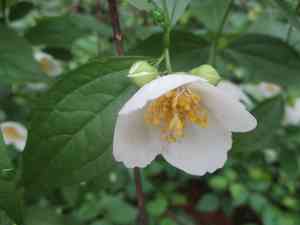
A key appeal of Scentless mock orange is its beautiful white flowers. Flowering is greatly affected by sunlight. Sufficient sunlight encourages plentiful blooms, while inadequate light can result in fewer flowers. Ensuring your plant gets enough sun from spring through early summer is crucial, as this is its main blooming period.
Impact on Leaf Development
Sunlight also plays a critical role in developing lush foliage. In full sun, Scentless mock orange leaves tend to be more vibrant and dense. In partial shade, the foliage might be slightly less dense but still healthy. Monitoring light conditions helps maintain balanced leaf development, providing aesthetic value and overall plant vigor.
Tips for Optimal Sunlight for Scentless Mock Orange
Site Selection for Best Sun Exposure
Choosing the right spot is crucial for meeting the Scentless mock orange's sunlight needs. Select a garden location that receives ample morning sun and is protected from intense midday rays. This balance can be achieved by planting the shrub on the east side of taller trees or structures that offer partial shade during the day's hottest part.
Avoiding Sunburn and Leaf Scorch
Even though Scentless mock orange can handle full sun, excessive exposure, especially in hotter climates, can cause sunburn and leaf scorch. To prevent this, consider providing some afternoon shade or using garden structures to diffuse intense light. Mulching around the plant's base can also help retain moisture and reduce heat stress.
Using Garden Structures for Light Control
Garden structures like pergolas, trellises, or shade cloths can effectively manage light exposure. These structures not only enhance your garden's visual appeal but also provide necessary light control to prevent excessive sun damage to your Scentless mock orange. Adjusting these structures seasonally ensures the plant receives the correct amount of sunlight year-round.
Common Sunlight Issues and Solutions for Scentless Mock Orange
Dealing with Excessive Sunlight
If your Scentless mock orange is exposed to too much sunlight, you might notice burnt or crispy leaves. To fix this, consider moving the plant to a location with partial shade or using shading methods like installing a shade cloth. Regular watering and mulching can also help the plant cope with high light conditions by maintaining soil moisture.
Managing Insufficient Sunlight
Inadequate sunlight can lead to weak growth and poor flowering. If your plant isn't getting enough light, try moving it to a sunnier spot or pruning nearby vegetation that might be blocking light. Reflective surfaces like light-colored walls or garden mirrors can also help increase the available light for the plant.
Identifying and Correcting Symptoms of Poor Light Exposure
Signs of poor light exposure in Scentless mock orange include leggy growth, sparse foliage, and reduced flowering. If you observe these symptoms, re-evaluate the plant's location and make necessary adjustments to improve light access. Moving potted specimens or selectively pruning nearby plants can resolve light-related issues and help rejuvenate your shrub.



