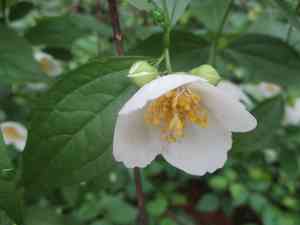
Scentless mock orange (Philadelphus inodorus)
Also known as: Mock Orange, Scentless Mock Orange
The scentless mock orange (Philadelphus inodorus) is a popular choice among gardeners because it is a hardy, easy-to-grow deciduous shrub. Its striking white flowers stand out beautifully against its dark green leaves, creating an attractive display. This plant thrives in various soil conditions and is highly resistant to diseases, pests, drought, heat, and humidity. It's also commonly used for slope stabilization and makes an excellent border hedge due to its dense growth.
In This Article
Attributes of Scentless mock orange
Lifespan
Perennial
Plant Type
Shrub
Plant Height
91 cm to 3 m
Spread
1.2 m to 1.8 m
Leaf Color
Green
Flower Size
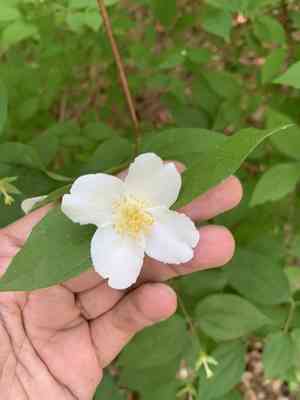
2.5 cm
Flower Color
White
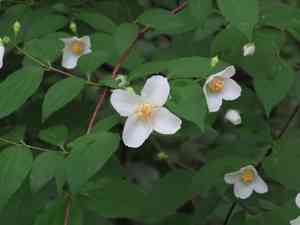
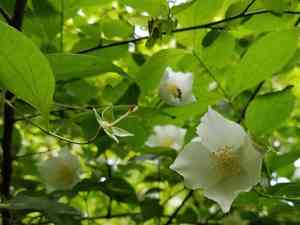
Images of Scentless mock orange
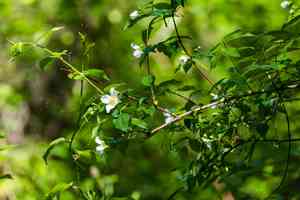
Quickly Identify Scentless mock orange
1
Upright growth habit becoming arching
2
White flowers lacking fragrance
3
Fruit capsule splits into 4 sections
4
Opposite leaves, oblong, sparsely serrated
5
Light brown stem with raised leaf scars
Scientific Classification of Scentless mock orange
Phylum
Vascular plants
Class
Dicotyledons
Order
Cornales
Family
Hydrangea
Genus
Mock oranges
Species
Scentless mock orange
Planting and Growing of Scentless mock orange
Care Difficulty
Easy
Watering Schedule
Every 2 days
Sunlight Requirements
Partial sun
Sunshine Duration
4-8 hours
Ideal Temperature
60-75℉
Soil Type
Potting Mix, Peat Mix
Soil pH
6.5-7.5
Fertilizer Type
Balanced
Pruning Season
Spring, Summer
Pruning Area
Branches, Leaves
Pruning Frequency
2 times a year
Repotting Season
Spring
Pot Type
Plastic, Ceramic
 How to Water Scentless mock orange?
For Philadelphus inodorus, ensure that you provide about 500 milliliters of water each time. The key is to water deeply until the soil is saturated but not waterlogged, allowing the water to reach the deep roots.
What are the symptoms of an underwatered Scentless mock orange?
›
What should I do if my Scentless mock orange is not getting enough water?
›
What are the symptoms of an overwatered Scentless mock orange?
›
How to save an overwatered Scentless mock orange?
›
 What Are the Sunlight Requirements for Scentless mock orange?
Ideally, Philadelphus inodorus will flourish in an environment where it receives ample partial to full sun. This light level ensures robust growth, supports flowering, and generally maintains the plant’s health and vigor.
More About Sunlight Requirements Techniques→
How much light does Philadelphus inodorus need?
›
What solutions are available for achieving ideal lighting?
›
What benefits come from ideal lighting conditions?
›
 What Is the Ideal Temperature Range for Scentless mock orange?
The ideal temperature range for Philadelphus inodorus is between 60°F and 75°F. This range provides optimal conditions for growth and flowering. Within this range, the plant can maintain its physiological processes efficiently.
 What Soil is Best for Scentless mock orange?
Philadelphus inodorus thrives in well-drained soil. Efficient drainage prevents root rot and ensures the roots have access to air, promoting healthy growth and vibrant flowering. A nutrient-rich loam soil provides essential minerals and nutrients that support robust growth and flowering. It ensures the plant has the resources needed for optimal health and bloom. While good drainage is crucial, retaining moderate moisture levels is equally important. This balance prevents the plant from drying out during warmer periods, thus maintaining its vigor and lush foliage.
 How to Fertilize Scentless mock orange?
When fertilizing Philadelphus inodorus, it's essential to use a balanced fertilizer, applying approximately 0.5 ounces per gallon of water for liquid fertilizers. Ensure that the fertilizer is well-diluted to avoid root burn. For solid fertilizers, a slow-release type can be applied at the rate of 2 to 3 pounds per 100 square feet annually.
 How to Prune Scentless mock orange?
Begin by examining the plant for any dead or damaged wood. Remove these parts by cutting them back to a healthy bud or main stem to encourage vigor. Focus on maintaining a natural shape by cutting back overlong shoots to the desired size. Remove crossing branches to improve air circulation, which helps deter pests and diseases. To rejuvenate the shrub, cut back about one-third of the oldest stems to the ground. This renewal method invigorates the plant and boosts flower production.
More About Pruning Techniques→
 How to Propagate Scentless mock orange plant?
1
To propagate Philadelphus inodorus by seeds, sow the seeds in seed trays filled with quality potting mix. Lightly cover them with soil and mist with water. Place them in a warm, bright spot and maintain consistent moisture as the seeds need a warm and humid environment to germinate.
2
Select a healthy stem and use pruning shears to cut a 4-6 inch piece just below a node. Remove the leaves from the lower half to reduce water loss through transpiration, and dip the cut end in rooting hormone to improve rooting success.
3
For division propagation, lift the plant carefully from the ground and divide it into smaller sections. Each section should have roots attached. Replant them in the garden bed or pots with fresh soil and water them thoroughly.
 How to Repot Scentless mock orange plant?
1
Philadelphus inodorus displays certain signs indicating it's time for repotting. When you notice roots growing out of the drainage holes or the plant becomes root-bound with less vigorous growth, it's time to make the switch. Additionally, if the soil drains too quickly or the plant seems excessively dry, repotting can replenish nutrients and improve water retention.
2
Opt for a pot that's one to two inches larger in diameter than the current one. This ensures the plant has enough room to grow without waterlogging the roots. Terracotta pots are excellent for air circulation and moisture regulation but ensure any type you use has adequate drainage holes. The chosen pot should also complement the plant's aesthetic appeal in your garden or indoor space.
3
Select a well-draining potting mix that retains some moisture. A blend containing loam, peat, and perlite works well for Philadelphus inodorus. This mix provides good aeration and nutrient availability, ensuring healthy root development and preventing issues such as root rot. A proper soil composition is key to sustaining plant vigor and beauty.



