How to Propagate Scentless mock orange?
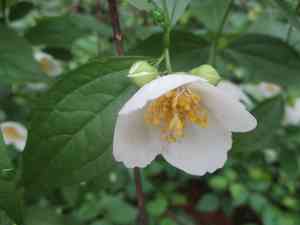
Philadelphus coronarius flourishes when reproduced through cuttings. To achieve successful growth, utilize semi-hardwood cuttings acquired in the late summer period. These cuttings ought to possess multiple leaf nodes. Verify they are placed in soil that drains effectively, augmented with rooting compound to stimulate root formation. Sustain steady hydration and offer diffused illumination until the root system is firmly established, thereby boosting the likelihood of robust development.
Optimal Time for Scentless Mock Orange Propagation
Propagation Method
Cutting
Propagation Period
Autumn,Winter
Tools Required for Scentless Mock Orange Propagation
Sharp Pruning Shears
These are vital for obtaining clean, precise cuttings from scentless mock orange. Sharp blades ensure cuts are smooth, significantly lowering infection risk and boosting rooting success. Clean cuts facilitate quicker healing for both the parent plant and the cuttings.
Rooting Hormone
This chemical compound encourages root development from scentless mock orange cuttings. Applying rooting hormone to the cutting bases increases the probability of successful root formation, which is essential for new plant establishment.
Sterile Potting Mix
A light, airy, and sterile potting medium is key for rooting scentless mock orange cuttings. The mix should offer good drainage and aeration, reducing fungal infections and root rot. This environment supports new root growth.
Plant Pots or Trays
Small containers or trays are used to place each scentless mock orange cutting in its own growing space, allowing better control over watering and nutrient delivery. This avoids overcrowding and competition, fostering healthier root development.
Plastic Covers or Humidity Domes
These covers create a moist microclimate around scentless mock orange cuttings, helping maintain proper hydration and improving rooting success. The dome also protects cuttings from drying out and aids in temperature regulation.
Watering Can with Fine Rose
Ensures gentle watering that does not dislodge or harm newly planted scentless mock orange cuttings. Consistent moisture is necessary for roots to establish, but it's vital to apply water softly to avoid disturbing delicate new growth.
How to Propagate Scentless Mock Orange?
Propagation Difficulty
Moderately Difficult
Caring for Your Newly Propagated Scentless Mock Orange
Caring for Your Newly Propagated Scentless Mock Orange?
Once roots have formed, gradually introduce scentless mock orange to less humid conditions by progressively removing the plastic cover over a week. After acclimation, plant rooted cuttings in a sunny to partial-shade location with well-drained soil. Water regularly to keep the soil consistently moist, but be careful not to overwater. Support new growth with a light fertilizer during the growing season and prune annually to encourage bushiness and remove dead or weak stems.
Common Propagation Mistakes for Scentless Mock Orange
Overwatering cuttings
Excessive watering can cause root rot in scentless mock orange cuttings, hindering root formation and potentially killing young plants.
Inadequate soil preparation
Using soil that lacks proper drainage or is too dense can suffocate scentless mock orange roots, slowing or preventing successful propagation.
Excessive use of fertilizer
Applying too much fertilizer can burn scentless mock orange roots, especially during the sensitive initial root development phase, thereby impeding its growth.
Ignoring pest control
Failing to manage pests during the early propagation stages can lead to infestations that weaken or destroy young scentless mock orange plants.
Tips For Propagating Scentless Mock Orange
Use well-draining soil
Employing a light, well-draining soil mix helps prevent waterlogging and supports healthier root development for scentless mock orange.
Moderate watering
Keeping the soil moist but not saturated is crucial. This balance provides adequate moisture for root growth without risking root rot.
Cutting selection
Select healthy, disease-free stem cuttings from scentless mock orange for propagation. This increases the likelihood of successful root development and overall plant vitality.
Pest management
Regularly check for signs of pests and treat them promptly to prevent infestations that can affect the health and growth of propagating scentless mock orange.



