How Much Sunlight Do Annual canarygrass Need?
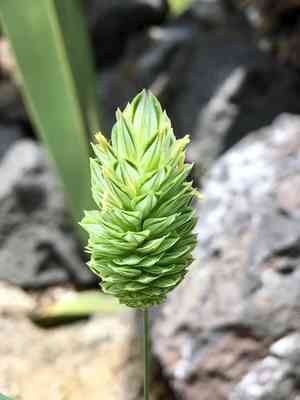
1
Annual canarygrass flourishes optimally in areas receiving ample sunlight, requiring a minimum of six hours of direct sun each day.
2
Although it can endure some shade, its development and output are considerably improved with greater light exposure.
3
Lack of adequate sunlight can result in diminished growth, discolored foliage, and decreased seed yield.
Optimal Solar Exposure for Annual Canarygrass
Full Sun Requirements
Annual canarygrass is a heliophilic plant that thrives in direct sunlight. For peak development, this species needs a minimum of six hours of unfiltered sun daily. Sunlight is vital for photosynthesis, which powers its development and growth. Ensuring your Annual canarygrass receives ample light will result in healthier plants with vigorous growth and increased output.
Partial Shade Tolerance
While Annual canarygrass prefers full sun, it can endure some partial shade, particularly during the warmest parts of the day. However, it's crucial to remember that a significant reduction in light can negatively impact its growth. If your garden or planting area has spots with only partial sunlight, aim for the plants to get at least three to four hours of direct sun to ensure their continued vitality.
Daily Sunlight Duration for Peak Development
Minimum Sunlight Hours
For Annual canarygrass to reach its full potential, it requires a minimum of six hours of direct sunlight daily. This duration is sufficient to initiate and sustain healthy photosynthesis, leading to robust growth and seed production. If you're planting in an area receiving less than this minimum, consider moving it or supplementing with artificial light sources to boost its light intake.
Maximum Sunlight Hours
While Annual canarygrass flourishes in full sun, there isn't a strict upper limit to the amount of sunlight it can tolerate within reason. Ideally, providing it with up to eight to ten hours of sunlight can lead to exceptional growth and yield. Excessive exposure beyond this, especially in extremely hot climates, may cause stress. In such cases, offering some shade during peak sunlight hours can be beneficial.
Effects of Insufficient Sunlight on Annual Canarygrass
Identifying Light Deficiency Symptoms
Understanding the signs of inadequate sunlight can help you quickly adjust the plant's environment. Look for indicators like stunted development, pale or yellowing foliage, and elongated, weak stems. If your Annual canarygrass exhibits these symptoms, it's a clear sign it's not getting enough light, and you should act to increase its sun exposure immediately.
Impacts on Growth and Yield
A lack of sufficient sunlight can profoundly affect the overall health and productivity of Annual canarygrass. You might observe slower growth rates, weaker plants, and a significant decrease in seed production. Ensuring consistent and adequate light helps maintain vigorous growth and maximizes yield, which is especially important if you're cultivating it for bird feed or other purposes.
Strategies for Maximizing Sunlight Exposure
Choosing the Optimal Location
Selecting the best spot in your garden or property is vital for maximizing sunlight exposure for your Annual canarygrass. Choose an open area that avoids shadows cast by buildings, trees, or other structures. Ensure the site receives ample morning sunlight to jumpstart photosynthesis early in the day, promoting better growth overall.
Seasonal Sunlight Adjustments
Seasonal changes can influence the amount and intensity of sunlight your Annual canarygrass receives. During shorter winter days, consider relocating potted plants to brighter spots or using grow lights to compensate for reduced natural light. In the summer, monitor plants for signs of heat stress and provide partial shade during the peak afternoon hours to protect them.



