How to Prune Annual canarygrass?
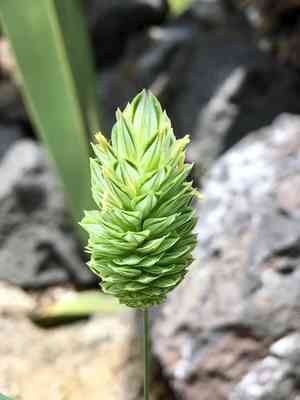
Annual canarygrass, a resilient grass frequently present in birdseed blends, flourishes with infrequent trimming. Cut back the leaves in late winter or early spring prior to the emergence of new shoots. Throughout the active growth period, eliminate any withered or compromised stalks to foster vigorous development and inhibit self-propagation. Trimming during spring, summer, or autumn can manage its form and dimensions, contributing to a neat look. Advantages of pruning encompass invigorated growth and a diminished likelihood of its invasive spread in cultivated areas.
Advantages of Trimming Annual Canarygrass
Advantages of Trimming Annual Canarygrass
Trimming annual canarygrass encourages more robust, vigorous development and preserves its desired form, ensuring peak health and visual appeal for the plant.
Optimal Timing for Pruning Annual Canarygrass
Optimal Timing for Pruning Annual Canarygrass
Pruning in late spring allows annual canarygrass to recover from any frost damage and coincides with the start of its active growth phase, which typically begins as temperatures rise. Early summer trimming is perfect for shaping the plant and promoting a bushier growth habit, thereby boosting its vitality as it progresses through its peak growing season. Early fall pruning should be light and aim to remove any damaged or diseased foliage before the plant enters dormancy for the winter, ensuring good plant health and preparation for the next growing season.
Necessary Tools for Pruning Annual Canarygrass
Hand pruners or secateurs
These are crucial for precise cuts, enabling clean removal of individual stems and minimizing harm to annual canarygrass.
Grass shears
Especially useful for trimming the leafy parts of annual canarygrass, they are designed for comfortably cutting through soft, non-woody stems.
Long-handled loppers
If annual canarygrass has developed thick enough stems or is in a dense cluster, loppers can be used for reaching into the plant's core or for leverage to make larger cuts with their extended handles.
Pruning saw
For mature annual canarygrass plants that may have developed more substantial woody stems, a pruning saw can help manage and shape the cluster more effectively.
How to Prune Annual Canarygrass
Remove
Identify and eliminate any withered or dead leaves from annual canarygrass. Gently grasp the leaf at its base and snip it off close to the stem, using clean, sharp scissors or pruning shears to prevent damage to the healthy parts of the plant.
Disinfect
Sanitize pruning tools before and after use to prevent disease transmission. Wipe the blades with a cloth soaked in isopropyl alcohol or a bleach solution.
Inspect
Thoroughly examine annual canarygrass for any signs of disease or stress resulting from withered leaves. Check for discolored, spotted, or misshapen leaves, and remove any affected areas in the same manner as Step 1.
Monitor
Observe the plant after pruning to ensure it recovers well. Look for healthy new growth, which indicates annual canarygrass is responding positively to the pruning.
Maintain
Continue to uphold the general health of annual canarygrass with appropriate watering, feeding, and care to minimize the need for future pruning of withered leaves.
Common Pruning Errors with Annual Canarygrass
Overpruning
Removing too much foliage from annual canarygrass at once can stress the plant, potentially leading to weak growth or even plant death.
Improper Cutting Technique
Using dull or dirty tools, or cutting at incorrect angles, can damage annual canarygrass's stems, making them vulnerable to disease and pests.
Pruning Without a Goal
Random or aimless cutting without understanding the growth pattern of annual canarygrass can result in an unbalanced or unattractive plant shape.
Pruning Into Old Wood
Cutting into the old, woody stems of annual canarygrass that no longer produce new shoots could harm the plant's vitality and regrowth ability.
Ignoring Plant Health
Failing to remove diseased or dead material from annual canarygrass during pruning can lead to the spread of disease and deterioration of plant health.
General Pruning Advice for Annual Canarygrass
Sharp Tools
Always use sharp, clean pruning shears or scissors to make clean cuts that will heal quickly and reduce the risk of disease for annual canarygrass.
Selective Thinning
Focus on thinning out crowded areas to improve air circulation and sunlight penetration, encouraging healthy growth in annual canarygrass.
Guided Shaping
Prune annual canarygrass with a specific shape in mind, considering its natural growth habit to maintain an aesthetically pleasing form.
Regular Maintenance
Regularly inspect and remove any dead, damaged, or diseased foliage from annual canarygrass to promote vigorous growth and reduce the likelihood of disease.
Rejuvenation Pruning
If annual canarygrass has become overgrown or unproductive, consider a more aggressive pruning to rejuvenate the plant and stimulate new, healthy growth.



